The summer heat of 2026 in European cities claimed the lives of approximately 50,000 people. According to estimates by British researchers, about 65% of these deaths were related to climate change caused by human activities. This summer has been the deadliest in terms of heat-related deaths during this period.
Heat-Related Deaths and Climate Change
Estimates indicate that out of a total of 50,391 heat-related deaths in 854 urban areas of Europe, 32,619 cases are linked to warming caused by human activities. This data was reported by researchers from Imperial College London and the London School of Hygiene and Tropical Medicine. The areas studied are located in 30 countries, including EU member states, the UK, Norway, and Switzerland, covering about 40% of the population of these countries.
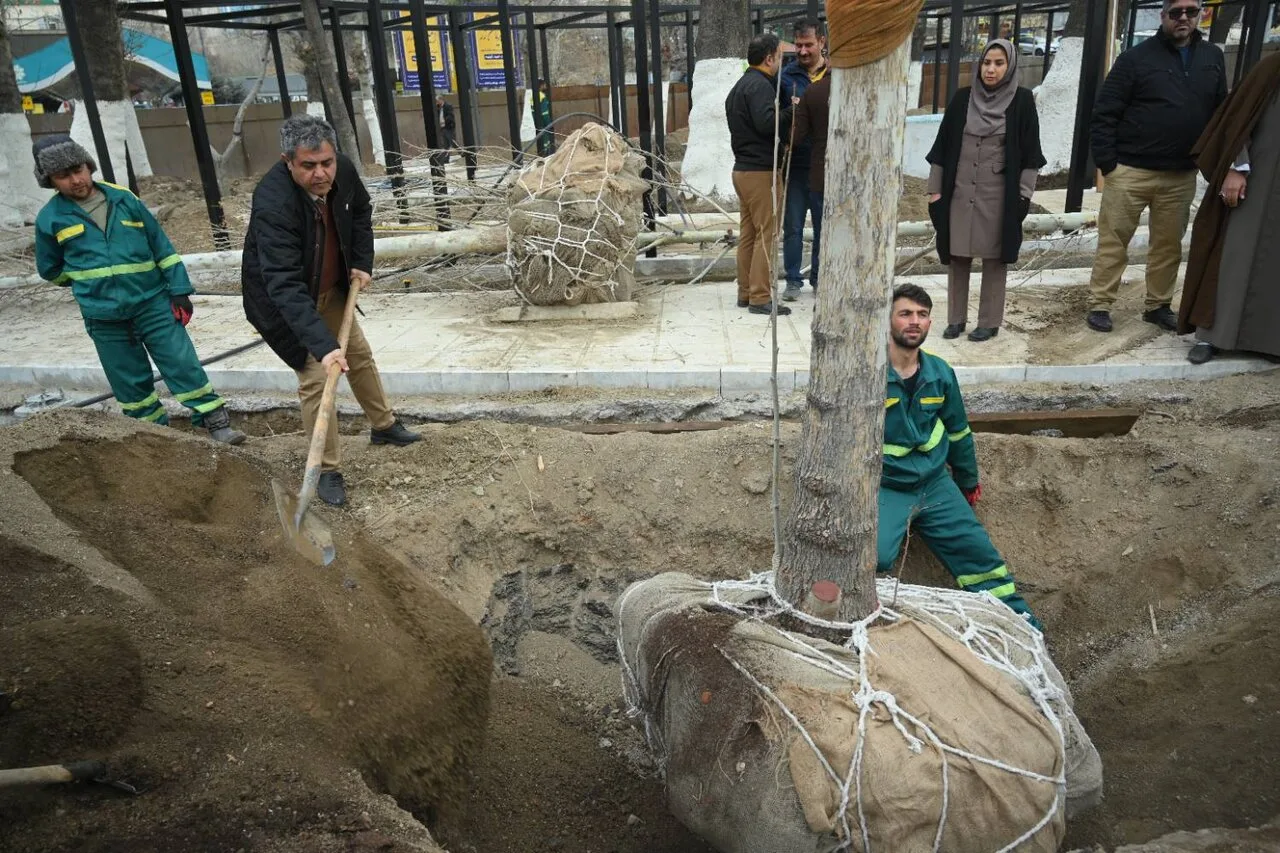
Read more: Tehran Municipality Helps Revive Chitgar by Planting Native Trees
Severe Consequences of Heat for Humans
The number of heat-related deaths in the studied areas in summer 2022 was estimated to be around 29,500. In that year, about 59% of these deaths were attributed to climate change caused by human activities. A significant portion of this summer's mortality occurred between June 17 and July 1. Nearly one-third of all heat-related deaths happened during this period; when the average temperature in the studied areas was about five degrees Celsius higher than the average for the same period between 1991 and 2020.
Older adults are among the most vulnerable groups to extreme heat, but the victims of this summer were not limited to this age group. Researchers estimate that about six thousand of the total 50,000 heat victims in European cities were under 65 years old. Extreme heat can increase the risk of heart and respiratory problems and can be more dangerous for the elderly, individuals with underlying health conditions, and those who do not have adequate access to cool environments or medical services.
Global warming due to greenhouse gas emissions increases the likelihood and intensity of certain heat waves. For this reason, cities' preparedness to cope with high temperatures has become one of the important public health issues. In Germany, the "Robert Koch" Institute estimated in a separate report that by the end of June 2026, about five thousand people would have died due to heat.
Researchers emphasize the need to adapt cities to rising temperatures. Creating green spaces and cool public areas, improving building conditions, strengthening medical services, and supporting vulnerable individuals can help reduce the risk of mortality during heat waves.
Read more: Medical professionals: Wars are Committing Environmental Genocide · Seyyed Javad Hosseini: 60% of the Elderly in Iran Do Not Have a Monthly Pension