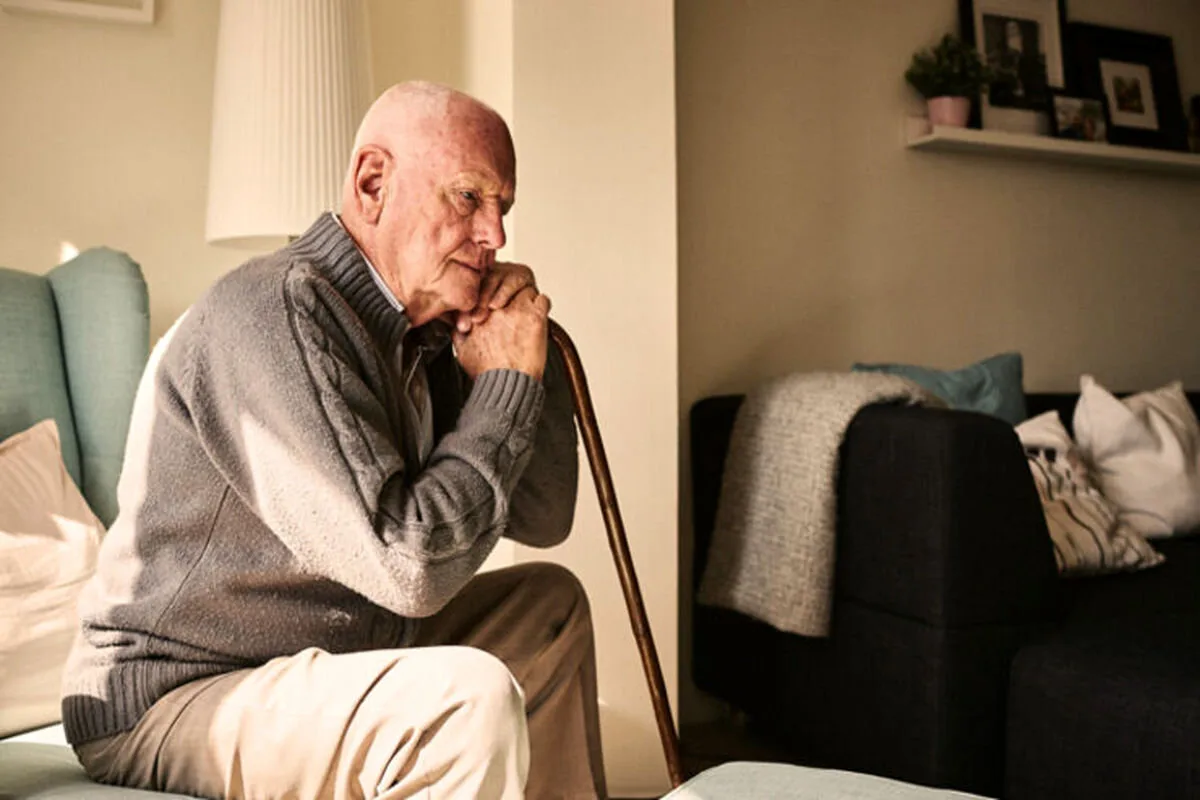
Seyed Javad Hosseini, the head of the Welfare Organization of Iran, at a press conference today held on the occasion of the International Day of Older Persons, pointed out the rapid aging trend of the population in Iran, saying: "Iran is not currently facing an aging crisis; this means that demographically, about 13% of the population is elderly." He continued: "If the elderly population over 60 years in a country is 7%, it is considered a young society, and if this figure is between 7% and 14%, it is entering aging, and if it is between 14% and 21%, it is elderly, and if it is between 21% and 27%, it is an aged society, and over 27% is severely aged. We are entering aging, so we are not facing a critical issue in demographics."
Rapid Growth of the Elderly Population in Iran
Hosseini stated that Iran is among the five countries in the world with the fastest growth towards aging, emphasizing: "Iran has more than four times the general population growth, now experiencing growth in the elderly population. The speed of aging is such that by 2040 to 2042, the demographic window will close." He added: "By 1430, 31% to 33% of the population will be elderly, thus we will become severely aged, and with this perspective, we are facing an aging crisis."
Read more: Training a Heroic Woman in a Special Shooting Course
Social Challenges of the Elderly
The head of the Welfare Organization of Iran also referred to the social challenges arising from aging, stating: "Aging crises are social crises. Social crises are processes, but they affect the entire society." Hosseini emphasized: "If we do not design for the aging crisis, we will face a risky aging scenario and difficult aging."
He continued: "Additionally, 260,000 of our elderly have disabilities. In Iran, 22% of people with disabilities are elderly, and we have 77,000 elderly women who are heads of households." Hosseini noted that 23.5% of Iran's active population is involved with the elderly, and for every 100 elderly, 180 non-elderly are engaged with aging.
He also said: "60% of the elderly are not covered by pensions. This means that out of every 10 elderly individuals, six do not have a retirement pension, indicating a large population of elderly outside the beneficiaries of the Welfare Organization and other institutions."
Hosseini pointed out that the average income decile of elderly individuals over 70 years significantly decreases, stating: "After the age of 70, the income index of the elderly drops by 70%, and their asset index decreases by 45%." He also announced the design of a legal bill to support the elderly and create job opportunities for them.
Read more: Safety Measures for 615 Dangerous Buildings in Tehran · Hassan Jarrahi: The Judge's Sentiment Overcame the Law to Preserve the Rights of an Elderly Woman