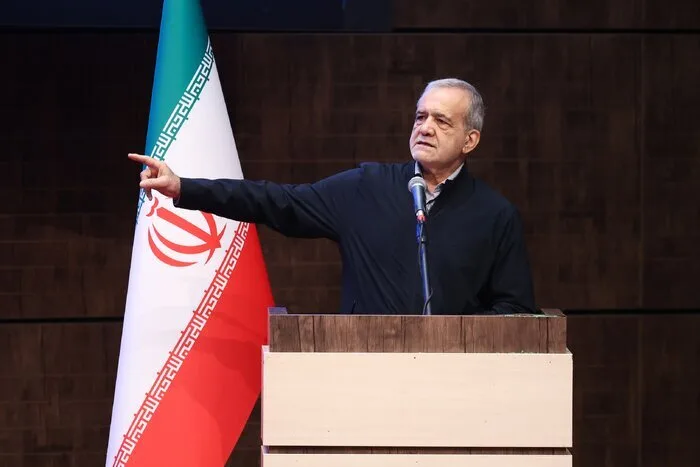
Pezeshkian emphasized in his speech that wars do not only harm humans but also severely affect nature. He referred to the devastating impacts of wars on the environment, describing these damages as environmental genocide, and urged the global community to make effective efforts to protect biodiversity.
Environmental Genocide and Wars
The President at the Biodiversity Convention in Armenia identified aggressive wars as one of the main factors in environmental destruction. He stated: "War burns forests, destroys wetlands, and pollutes water and soil resources." The devastating effects of wars can continue for years after conflicts end and impact future generations.
Read more: Tehran Set a New Record for Clean Days in 1405
The Necessity of International Cooperation
Pezeshkian noted that wars are not only a threat to humans but also harm nature. He called on the global community to establish effective mechanisms for the protection of natural heritage. He emphasized: "No country should consider nature a silent and defenseless victim during wartime."
The President, referencing Iran's geographical position and biodiversity, reminded that this country is the custodian of a valuable asset of ecosystems and animal species. He also mentioned Iran's efforts towards biodiversity protection and sustainable development, stating: "Protecting biodiversity for Iran is not just about protecting species, but also about preserving a natural, cultural, and civilizational heritage."
In conclusion, Pezeshkian urged the international community to pay more attention to the effects of wars on the environment and to take action to prevent environmental genocide. He stressed that the protection of nature must be aligned with sustainable development and national and global programs.
Read more: Iraqi: The Environmental Impacts of War Include the Destruction of Vegetation and Wildlife · Student Protests in Albania Against Edi Rama and the Luxury Trump Resort Project