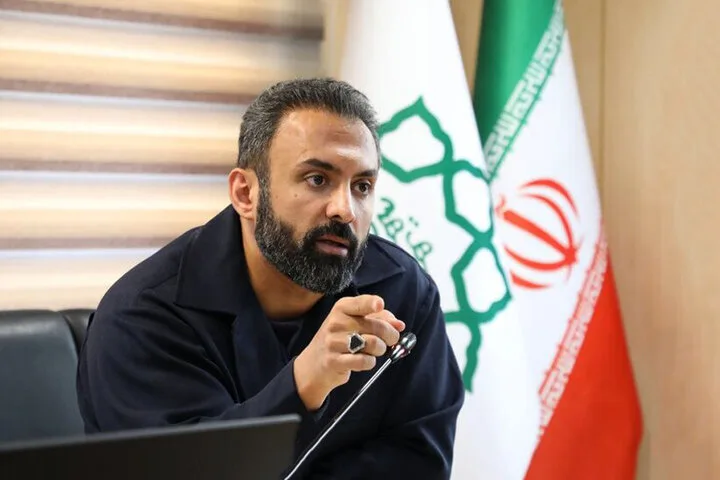
Mohammad Javad Khosravi, the mayor of District 22, explained the situation of the Chitgar forest park in a press conference and announced that the removal of infected trees to prevent the spread of pests in this area is determined by natural resources and has no connection to the municipality.
Main Problems of Chitgar Forest Park
Khosravi further stated that two main factors in the drying of Chitgar trees are the cutting of water rights and the outbreak of pests. According to him, the water requirement of Chitgar Park is 250 liters per second, while its water rights have dropped from 500 liters to zero. This situation has led to serious problems in the maintenance and restoration of the trees in this park.
Read more: Ebrahim Raisi Ardakani: The El Niño phenomenon and autumn rains in Iran
Municipality's Efforts to Restore the Park
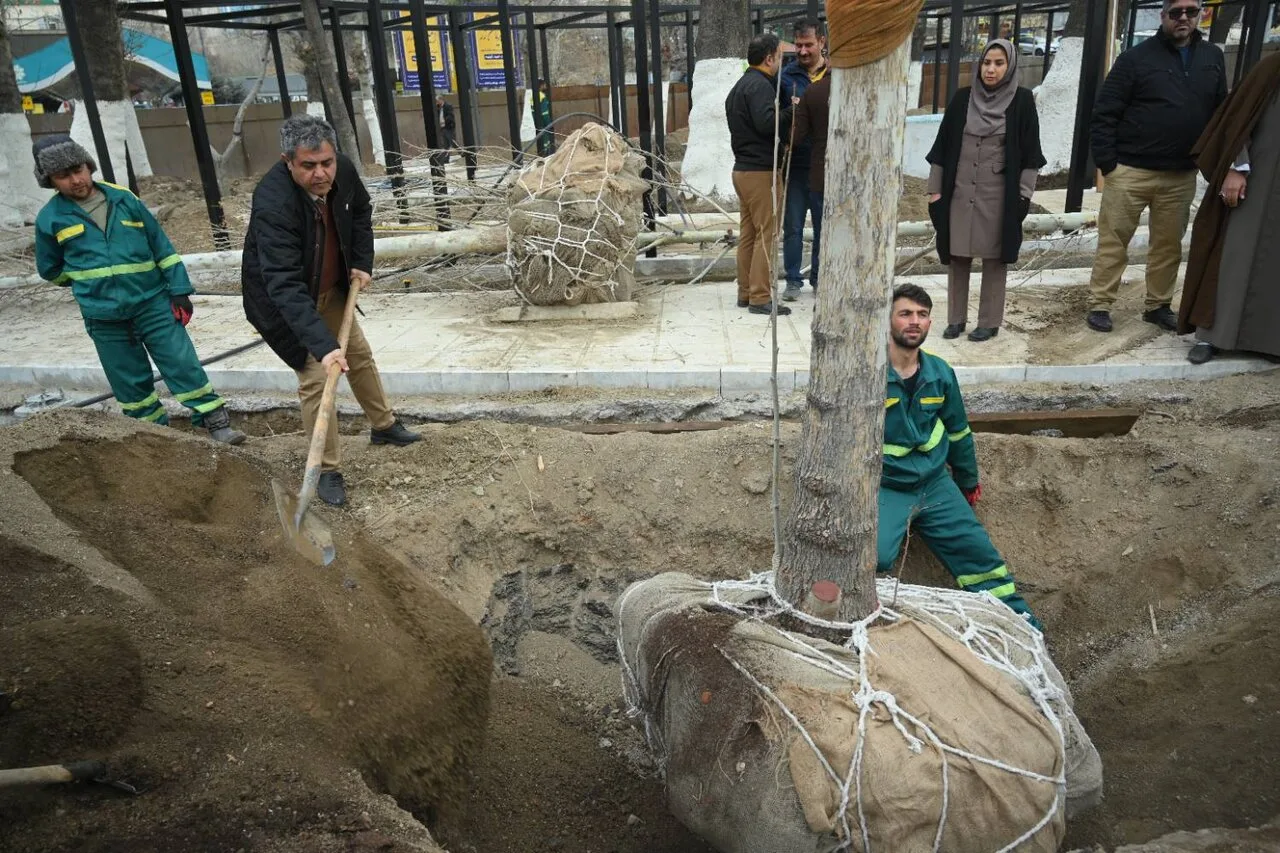
The mayor of District 22 announced that to save and restore Chitgar forest park, three treatment plants with capacities of 5 and 25 thousand cubic meters are being pursued and implemented. He also noted that the support of the municipality and the city council has made the implementation of treatment plant projects possible. These projects are considered one of the main solutions to improve the water situation of Chitgar forest park.
Challenges Ahead for Tree Restoration
Despite the efforts made, problems continue. The cutting of water rights as one of the biggest challenges has led to various pest outbreaks in the trees of this park. The mayor of District 22 emphasized that proper management of water resources and the restoration of trees require cooperation and participation from all institutions and organizations.
In conclusion, Mohammad Javad Khosravi emphasized that the municipality, as a responsible entity, is always striving to provide better conditions for Chitgar forest park through various programs and projects and to assist in the preservation and maintenance of these natural resources.
Read more: 50% decrease in rainfall in Tehran; South Khorasan sets a record for low rainfall · Organizing 1100-liter waste containers on the Revolution axis