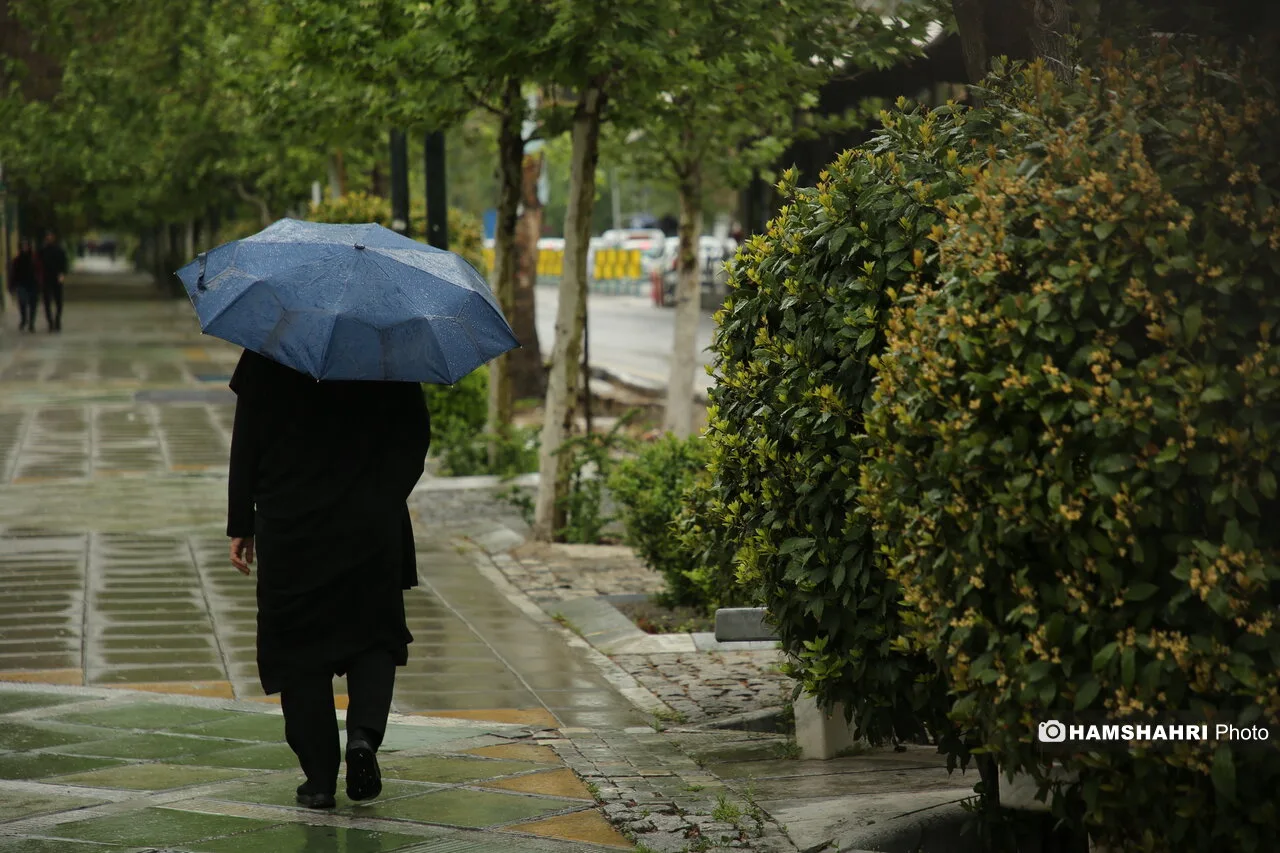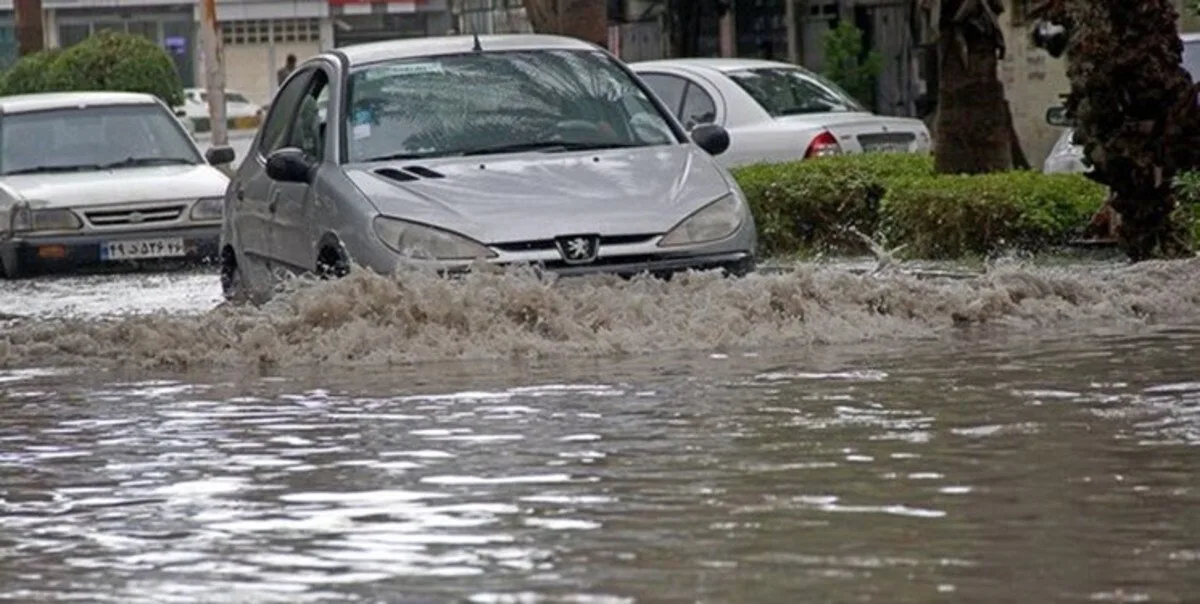
Statistics on rainfall in Tehran indicate that from the beginning of the current water year until October 30, 2023, rainfall in the capital has significantly decreased by 50.1%. This decrease in precipitation occurs at a time when, in a short period, rainfall in Tehran had increased by 3.2%. Now, with a return to a negative trend, concerns about the impacts of this situation on water resources and agriculture have intensified.
Rainfall Trends in Other Provinces
According to the provided data, nationwide, rainfall has increased by 3.3% compared to the long-term period. Specifically, in 12 provinces, positive rainfall has been reported during this period, with the highest growth in rainfall being 114% in Kurdistan province. This increase comes at a time when some provinces, such as South Khorasan and Qom, are facing severe decreases in rainfall.
Read more: Air Pollution in Mashhad and Bushehr, Clean Air Reached the North and Northwest
South Khorasan, Record Holder for Low Precipitation
South Khorasan has become the record holder for low precipitation in the country with a 99% decrease in rainfall. This situation has not only negatively impacted agriculture and water resources in this province but could also lead to environmental and economic crises. Qom province also ranks second with a negative growth of 89.4%, and it seems that these provinces are in urgent need of attention and immediate action.
The decrease in rainfall in Tehran and other provinces is a sign of climate change and the need for optimal planning in water resource management. Given the importance of water in daily life and agriculture, it seems that new measures must be devised to address this crisis.
Read more: Organizing 1100-Liter Waste Containers on the Revolution Axis · 50% Decrease in Enrollment of Foreign Students in Tehran Schools