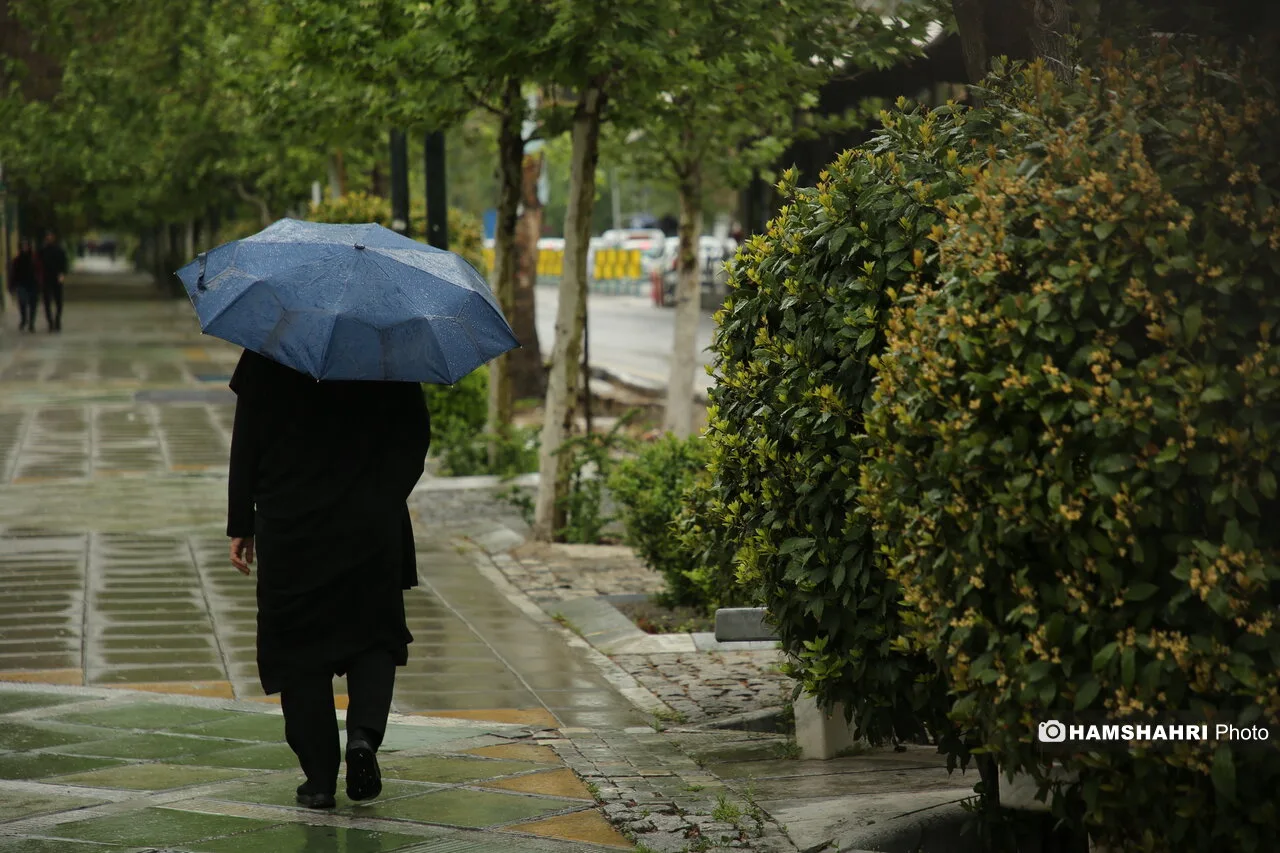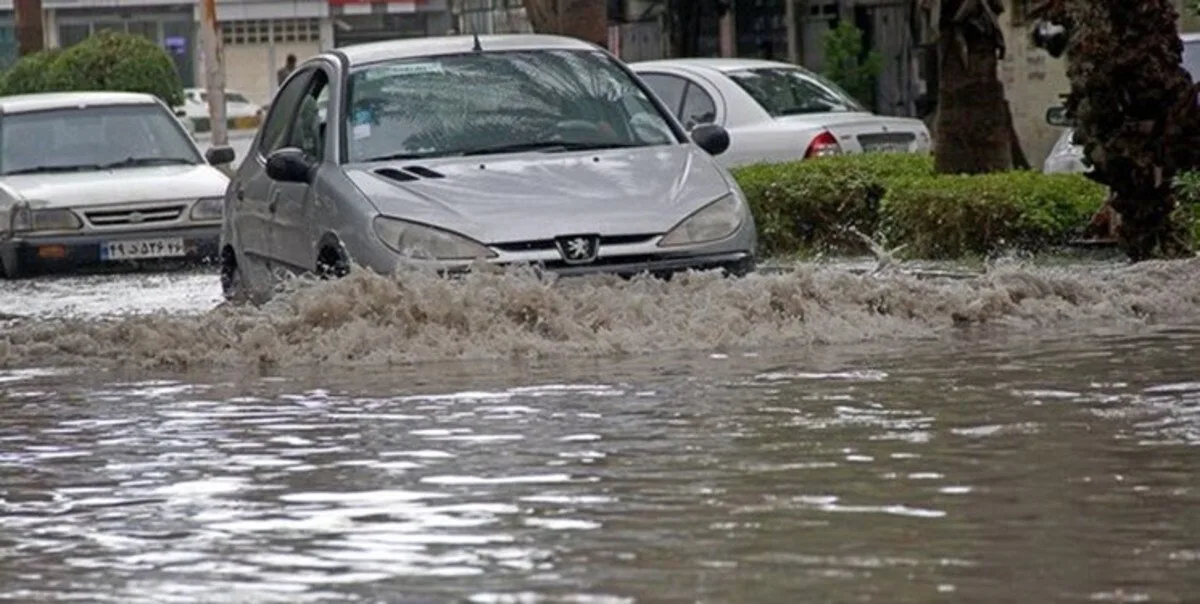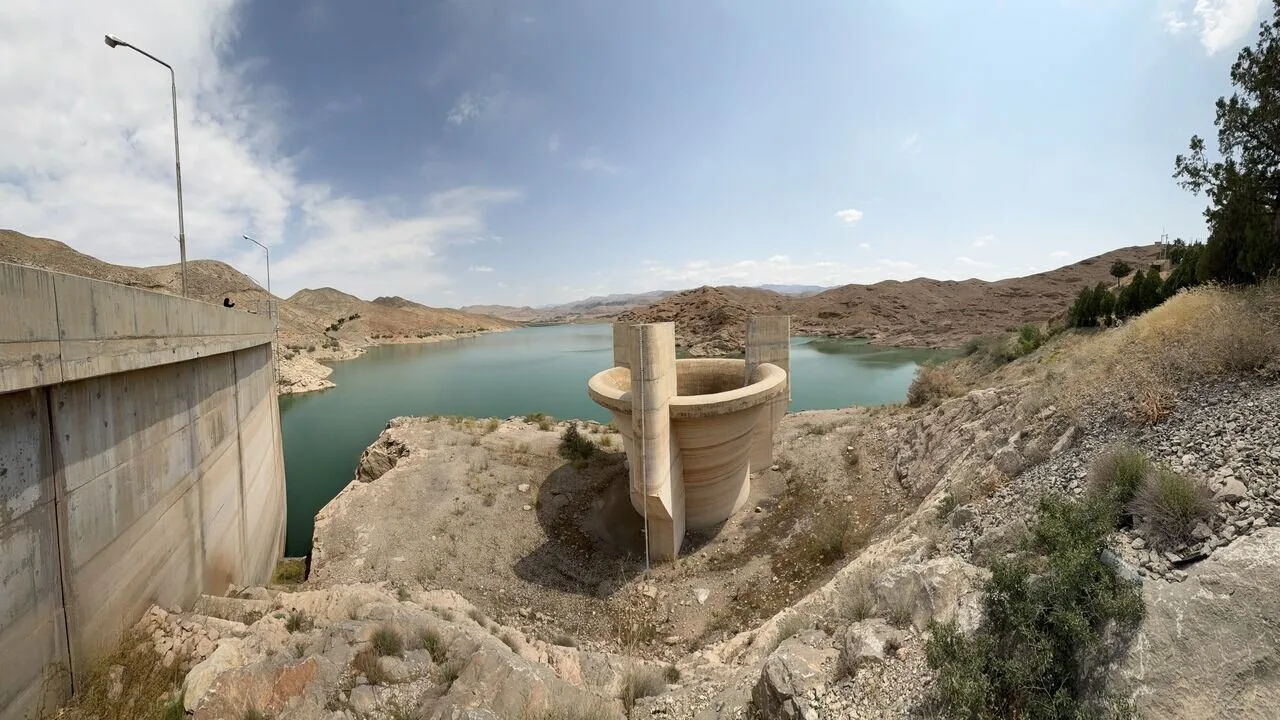
Kazem Jam, spokesperson for the Khorasan Razavi Regional Water Company, announced that rainfall in Mashhad during the current water year has reached 176 millimeters since October of last year. In the same period last year, this figure was only 85 millimeters. Despite this increase in rainfall, the dams in Mashhad are still in a critical condition, with the existing water levels dropping to less than 2 percent.
Situation of Mashhad Dams
Jam referred to the situation of the Doosti, Torgh, Ardak, and Karde dams, adding: "These dams are currently empty of water, and despite recent rains, they have not been able to collect the necessary water." This situation reflects the ongoing problems caused by consecutive droughts in Khorasan Razavi province. The amount of water available in the dams is so low that it can be said there is practically no suitable water reserve for use.
Read more: Increase in the capacity of the Persian Gulf treatment plant to 12,000 cubic meters per day
Reduction of Groundwater Resources
The spokesperson for the Khorasan Razavi Regional Water Company also mentioned the decline in groundwater levels, stating: "Surface and groundwater resources are in poor condition, and we must strictly manage water consumption." In the last water year, more than one million cubic meters of water were extracted from surface and groundwater sources, of which over 195 million cubic meters were from surface water.
Given the current conditions, Kazem Jam urged citizens to be more careful in their water consumption and to assist in implementing short-term and medium-term plans to secure water for Mashhad. This request seems particularly necessary in the current situation where water resources are under severe pressure.
Read more: 900 Hectare Damage from Mynah Birds to Calamina Farms in North Khorasan · Mashhad-Kermanshah Flight; A Distressing Incident for Sepahan Passengers