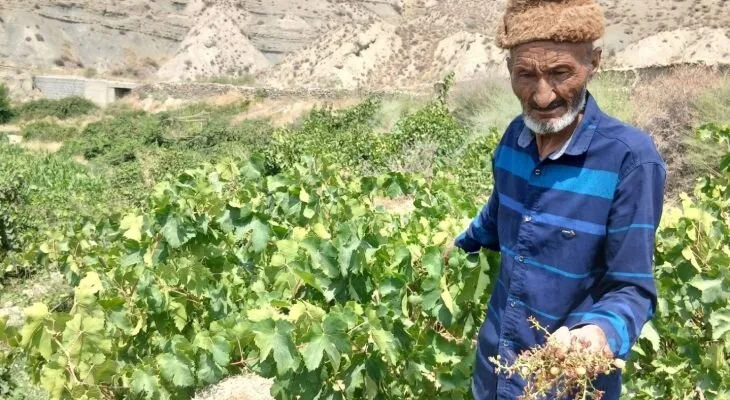
North Khorasan, with 5,500 hectares of cultivated fields and supplying half of the guaranteed purchase of Camelina oilseeds, ranks first in the country in this sector. However, this province is facing a serious challenge this year; the damage caused by the increase in the population of Mynah birds to Camelina farms has reached approximately 900 hectares.
New Damage from Mynah Birds
The Mynah bird, an omnivorous bird, comes to the farms in search of food. This bird has raised concerns about its economic damage to the farms and its effects on native species. According to statistics from the North Khorasan Agricultural Jihad, the production of 3,750 tons of Camelina oilseeds was anticipated in the province, but the emergence of pests and damaging factors reduced farm yields, bringing production down to over 2,500 tons.
Read more: Khorsand: Water cases are under active negotiation and follow-up
New Challenges for Farmers
Ismail Mahmoudabadi, the head of the North Khorasan Agricultural Jihad Organization, noted the increase in the population of Mynah birds in recent years, stating: "We have been facing this phenomenon for several years, and this year the damage has been greater than in any previous year." According to him, this bird usually causes damage during the early growth stages of oilseeds such as rapeseed and Camelina, and it can even lead to seed drop and loss of crops before initial growth.
In addition to damage to agricultural products, the buds of trees are also not safe from Mynah bird damage. This damage can lead to stunted growth of saplings. Despite the decrease in production compared to initial forecasts, the guaranteed purchase of 1,280 tons of Camelina from farmers in the province has solidified North Khorasan's top position in the country and demonstrates the province's high capacity for developing oilseed cultivation.
The head of the North Khorasan Agricultural Jihad Organization emphasizes that managing and controlling this bird is not within the responsibilities of the Agricultural Jihad and that the Environmental Organization should address this issue. Mohammad Mahdi Shahriari, a representative of the people of Bojnurd, has also criticized the increase in the population of Mynah birds, stating that these birds have caused significant damage to the farms.
Rouhollah Laiq, the deputy for natural environment and biodiversity at the North Khorasan Environmental Protection Agency, has cited climate change and the provision of suitable living conditions as factors contributing to the increase in the population of Mynah birds in this province and emphasizes the need for scientific management of this bird population.
Read more: Abbasali Nobakht: The drying of trees in Tehran is related to 21 factors · Opening of the specialized school for environmental education for students