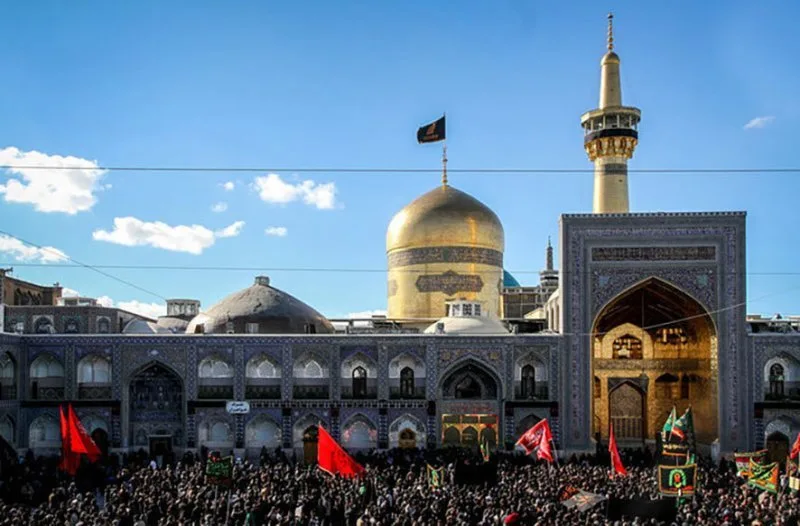
The uneven development of Mashhad in recent years has caused the holy shrine of Imam Reza (AS) to move away from the geographical center of the city. These changes have not only affected the social structure of the city but have also had profound impacts on the daily lives of its residents. In recent years, the eastern neighborhoods of Mashhad, known as underprivileged areas, have been severely affected by these changes, while the wealthier western neighborhoods have experienced more growth and development.
The Distance Between Areas and Its Social Effects
The eastern areas of Mashhad, once recognized as part of the cultural and religious identity of this city, have now become remote and less affluent neighborhoods due to uneven development. This imbalance has not only increased the geographical distance between different areas but has also exacerbated social and economic conflicts. Residents of these areas face challenges such as a lack of facilities and social infrastructure, which necessitates greater attention and investment.
Read more: Ali Latifi: The Mathematics Book for First and Second Grade will be Published in Two Volumes
The Necessity of Strengthening Infrastructure in Eastern Mashhad
Local officials believe that to address these issues and improve living conditions in the eastern areas, special attention must be paid to strengthening social and urban infrastructure. This not only will help improve the living conditions of residents in these areas but can also lead to greater balance in the urban development of Mashhad. Creating job opportunities, improving health and educational services, and developing public spaces are among the actions that can help enhance the situation in these areas.
It seems that addressing these challenges and striving to reduce existing gaps can lead to the creation of a more integrated and cohesive society in Mashhad. The shrine of Imam Reza (AS), as a religious and cultural symbol of this city, should be able to remain at the center of social and economic attention and act as a point of unity and solidarity among the diverse people of the city.
Read more: Changing the Iranian Diaspora's Perspective on U.S. Military Intervention in Iran · Completion of the Tehran Metro Ring with the Start of Line 9 Operations Under the Guidance of Reza Mohammadzadeh Bidakht