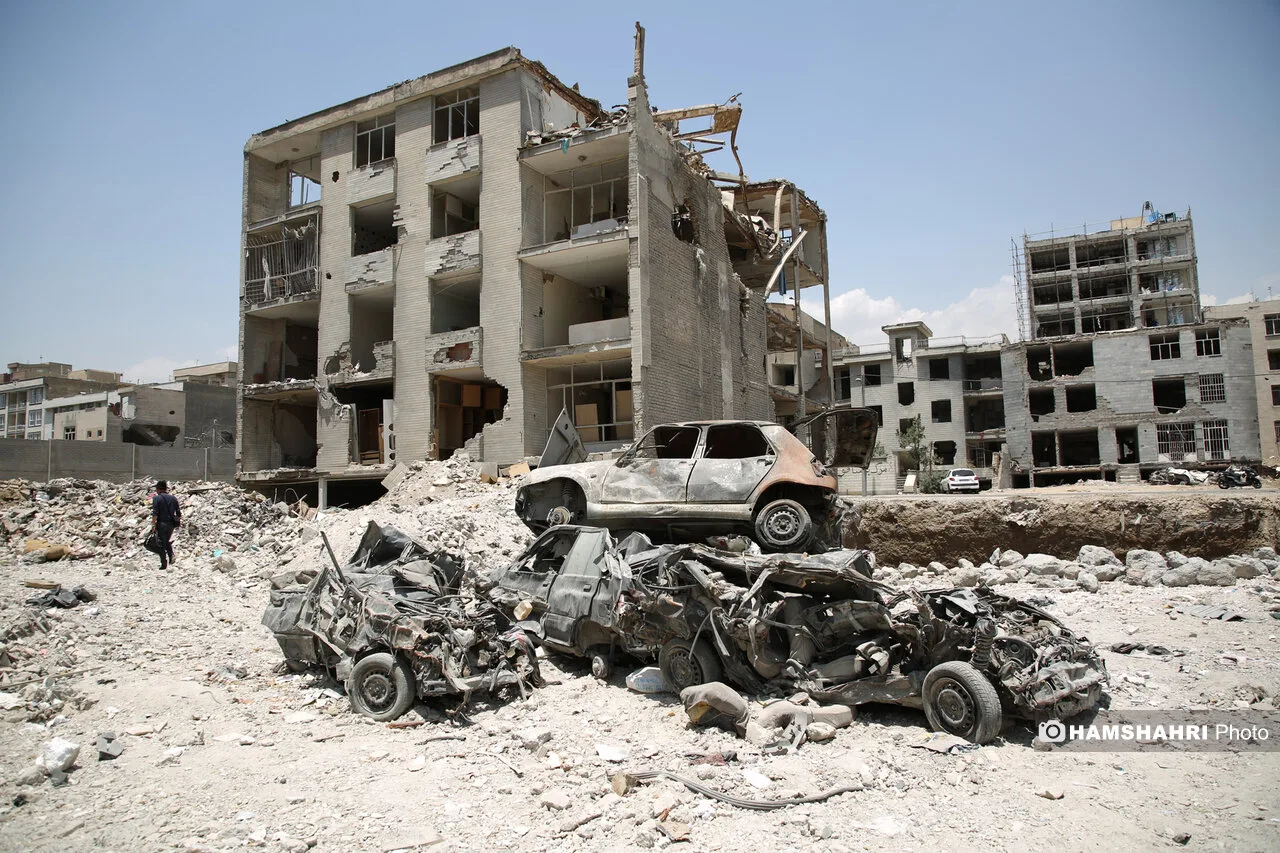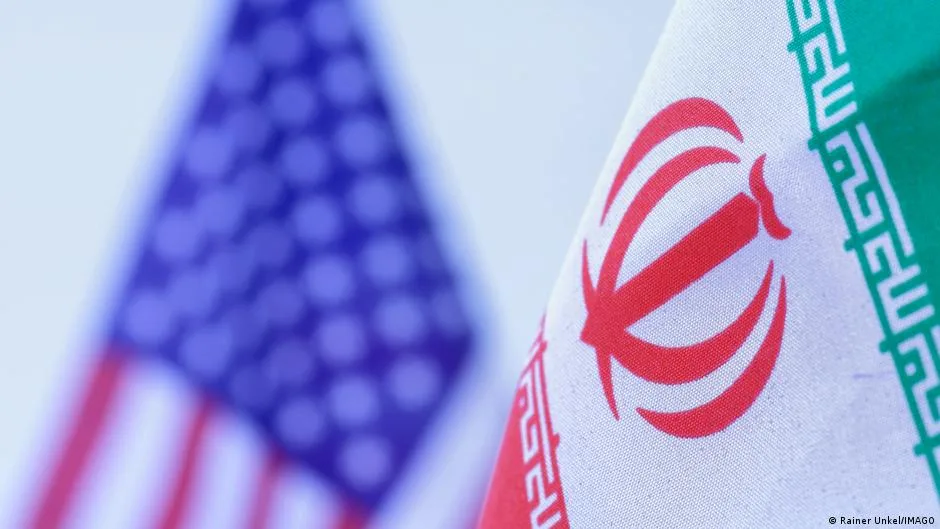
Joint military attacks by the U.S. and Israel on targets in Iran have once again raised questions among the Iranian diaspora about the possibility of changing the power structure in Tehran and Washington's role in Iran's internal developments.
Changing Attitudes of Iranians Abroad
Following these attacks, assessments of the outcomes of this military operation and the path forward for the Trump administration are not uniform. Some Iranians abroad who had hoped for military intervention are now doubtful about the achievements of this approach and its continuation. In contrast, others still emphasize the necessity of pressure on Tehran.
The U.S. midterm elections are taking place at a time when future decisions by the White House regarding Iran could have significant impacts on the political calculations of the Iranian diaspora. Greg Stanton, former President of Arizona, stated at his last campaign rally on October 28: "The Iran war ends whenever I want it to," while also emphasizing that "this crisis will soon come to an end."
Economic and Social Consequences of War
Alongside these diplomatic contradictions, the economic consequences of the war are clearly felt in the U.S. According to official statistics, the average price of gasoline has reached $4.28 and diesel fuel has reached $6.32. Omid Memarian, a journalist and senior analyst on Iranian issues, points out that some Iranians who had hoped for military intervention before the war are now facing the realities of foreign policy. He states that no government spends its resources to save the people of another country.
Nazanin Bahrami, a journalist and political analyst, has a different perspective on the Iranian diaspora's support for Trump’s administration policies. She believes that the majority of Iranians living in Western countries still support the U.S. government's hardline policy against the Islamic Republic and maintain hope for a transition from the regime.
In this context, gatherings of Iranians abroad following the protests of December 2024 also reflect this trend. Some Iranians at these gatherings have once again pinned their hopes on military intervention against the Islamic Republic, while others are concerned about the consequences of war and the harm to the people of Iran.
Ultimately, it seems that the Iranian diaspora is changing its perspective on military intervention. While some Iranians still believe in military pressure, this view is gradually being influenced by the realities of war and its consequences.
Read more: The sweet cry of a newborn after birth went viral on social media · Trump and Herzog's guarantee for the formation of a unity government in Israel