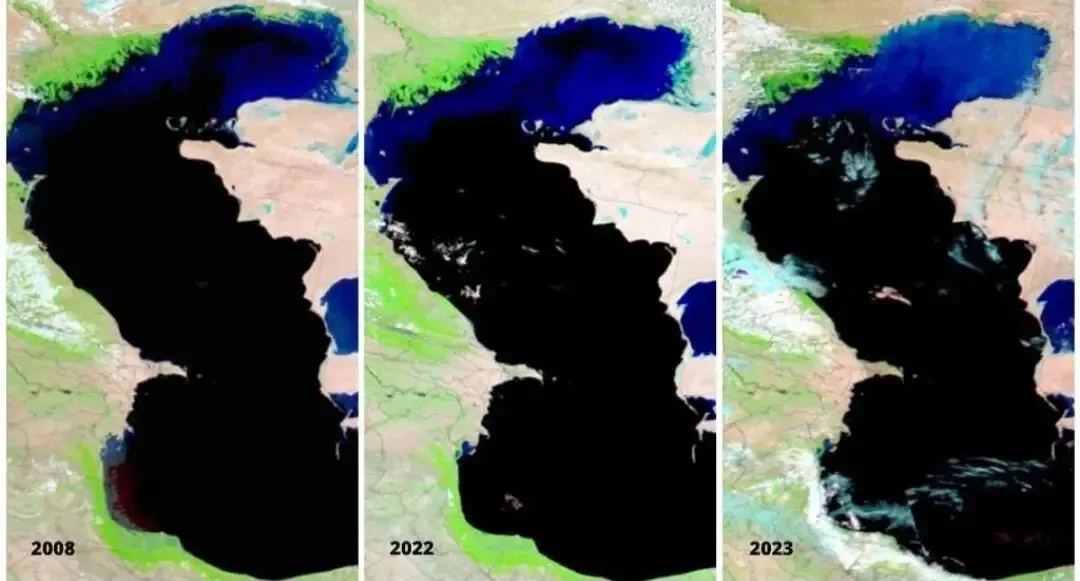
The Caspian Sea is currently shrinking, and in the meantime, the rights related to its bed and underground resources remain shrouded in ambiguity. Iran, with the shortest coastline among the five coastal countries, stands in one of the most complex situations and has yet to reach a final agreement with Azerbaijan and Turkmenistan regarding the borders of the sea bed.
New Developments in Caspian Sea Legal Negotiations
The Iranian government has recently sent a bill to the parliament concerning the approval of the "Caspian Sea Legal Regime Convention." The review of this bill will continue until the end of September 2026, and its final outcome is still unclear. This convention does not specify a clear share for Iran and does not delineate the final borders of the sea bed. Therefore, significant portions of the Caspian Sea's legal rights are still deferred to future negotiations among the coastal countries.
Why is the Caspian Sea Retreating?
For years, the decline in the water level of the Caspian Sea has been attributed to climate change and increased evaporation. However, a new study published in 2026 shows that between 2000 and 2020, the volume of the Caspian Sea's water decreased by about 630 cubic kilometers, with a significant portion of this decline related to the inflow from its five main rivers. The Volga River, which provides about 90% of the total river inflow to the Caspian Sea, has been affected by human activities and climate change in recent decades.
The decline in the Caspian Sea not only impacts the status of Iran's coastal ecosystems but also negatively affects wetlands, fisheries, and infrastructures designed based on the current water level. For example, in the Gorgan Bay and Anzali Wetland, the effects of the declining water level are clearly visible, and this situation could lead to more serious crises.
In recent decades, Iran has defended the idea of equal shares among the five countries, but this legal position still requires more thorough examination. The historical treaties of 1921 and 1940 between Iran and the Soviet Union established rights for the two countries in the Caspian Sea but did not define the final borders of the sea bed. Given the new changes in the geographical and political map of the region, Iran must carefully assess its positions in future negotiations.
Read more: Mohammad Asghari announced the arrival time of the first autumn rain wave in the country · Chris Van Hollen called for cutting the Trump administration's war budget