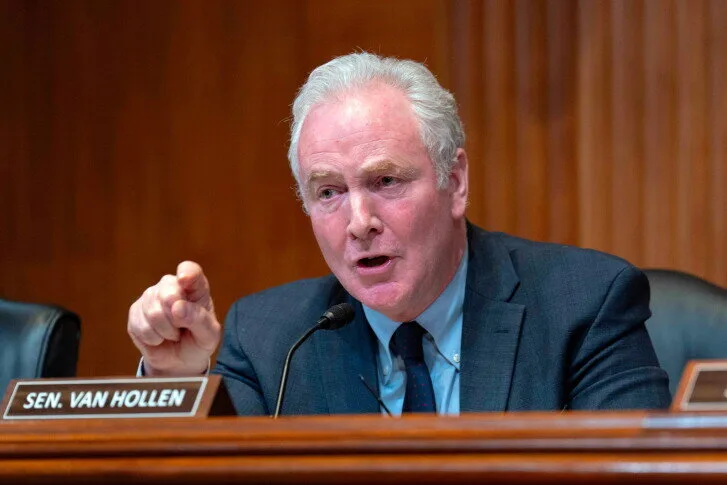
Chris Van Hollen, the Democratic senator from Maryland, recently called for cutting Donald Trump's war budget in response to reports about the U.S. Department of Defense (Pentagon) decision to send more troops and equipment to West Asia. This request comes at a time when tensions in the region have sharply increased, and concerns about the financial and human consequences of this war continue.
Background of Tensions in West Asia
After the U.S. withdrawal from the nuclear agreement with Iran in 2018 and the imposition of severe economic sanctions, relations between the two countries soured significantly. These tensions, in turn, have led to increased U.S. military activity in the region and widespread concerns about the consequences of a potential war. Given these circumstances, Van Hollen's action to cut the war budget is somewhat of a reaction to the current crisis.
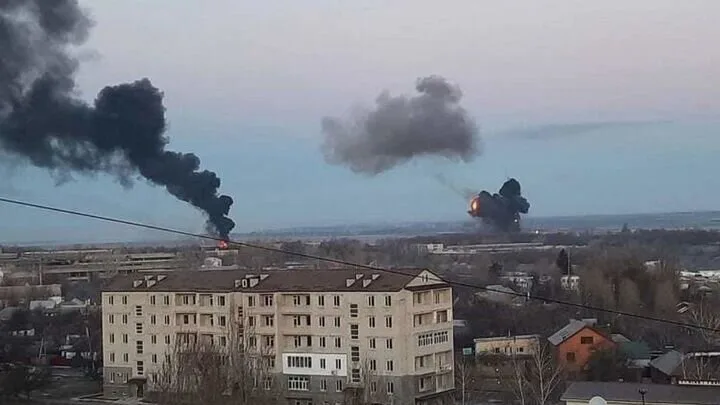
Read more: Russia Targets Ukraine's Infrastructure in Kyiv and Odessa
Financial and Human Consequences of War
Senator Van Hollen highlighted the financial consequences of this war, stating that the continuation of this situation could lead to increased national debt and reduced financial resources for domestic programs. He also raised serious concerns about the human consequences of this war for the people of Iran and U.S. forces stationed in the region.
This Democratic senator emphasized that the U.S. should turn to diplomacy and serious negotiations instead of war, adding: "We must direct our financial resources towards social programs and improving the economic situation of the people, rather than spending them on war." His remarks reflect a shift in approach among some American politicians regarding the military policies of the Trump administration.
Various Responses to Van Hollen's Request
In response to Van Hollen's request, some experts and political analysts believe that cutting the war budget may face opposition from Republicans and some military institutions. They argue that continued U.S. military presence in the region is essential for maintaining national interests and security. However, another group of analysts supports Van Hollen's request and emphasizes the importance of reducing tensions and focusing on diplomacy.
Meanwhile, criticism of the Trump administration's war approach and its heavy costs is also on the rise. Many American citizens are concerned about the consequences of this war on their lives and their children's lives, and they are calling for a change in their country's foreign policies.
Ultimately, Chris Van Hollen's request to cut Trump's war budget is not only a political action but also a humanitarian response to the critical situation in West Asia and a call for a reevaluation of U.S. war policies. He hopes that through this action, the voices and demands of the people will be heard, and the government will move towards a diplomatic resolution of issues instead of continuing the war.
Read more: Fouad Hussein: Iraq is Ready to Mediate Between the U.S. and Iran · Iran and Leverage Against the U.S.