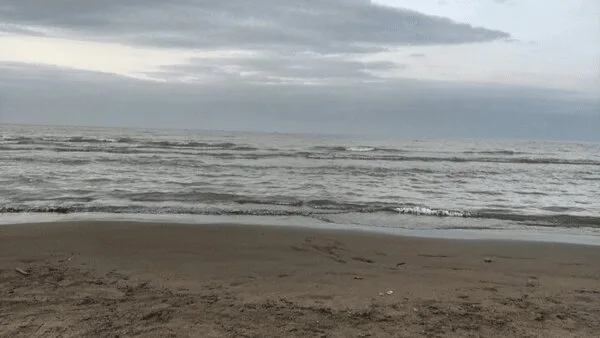
The Caspian Sea, the largest lake in the world, is now at its lowest water level in approximately 200 years. According to officials, nearly one meter has been reduced from the water level of this sea since the beginning of 2021. This is while the water decline in the past four years is equal to the recorded drop from 1996 to 2021, indicating that the rate of water decline in the Caspian has increased sixfold.
Factors Affecting Water Level Decline
Ohad Vezifeh, head of the National Climate and Drought Crisis Management Center of the Meteorological Organization, explained the reasons for this severe water drop, citing the decrease in river inflow, especially from the Volga River, as well as rising temperatures and increased evaporation. The Volga supplies nearly 80 percent of the inflow to the Caspian, and the reduction in precipitation in its watershed has significantly impacted the water supply to this sea. Additionally, rising temperatures have led to greater evaporation of sea water, further contributing to the decline in water levels.
Read more: Litter Left by Tourists, a Threat to Northern Forests
Consequences of Caspian Water Retreat
The history of the Caspian water level shows that the highest water level of this sea was recorded in the 1970s, and since then, a downward trend has begun. Given the ongoing warming and reduced river inflow, returning to past water levels is considered difficult. Furthermore, this retreat along shallow shores has more significant consequences and can affect coastal areas and sea-dependent activities. Vezifeh also stated that the process of water decline in the Caspian began more than a decade ago, and in fact, for nearly two decades, the water level of the Caspian Sea has been fluctuating. This means that the water level of this sea has always experienced both decreases and increases.
Read more: El Niño in the Pacific; The Fate of Rainfall in Iran is Uncertain · Sahar Tajbakhsh Moslem: Exceptional El Niño Will Soon Dominate the World