Sahar Tajabakhsh Muslim, head of the Meteorological Organization, announced the arrival of the El Niño phenomenon to a stable phase and stated that this phenomenon could have significant impacts on temperature and rainfall patterns in the fall and winter of 2026. According to predictions from the World Meteorological Organization, the likelihood of El Niño occurrence has reached nearly 100 percent.
The El Niño Phenomenon and Weather Conditions
Tajabakhsh Muslim added that the atmosphere and ocean are showing coordinated and clear signals of El Niño. Subsurface water temperatures in the Pacific Ocean indicate a very large heat reservoir, with temperature anomalies in some areas reaching positive 8 degrees Celsius. These conditions suggest that El Niño will be fully established by mid-August 2026 and is expected to have a very high intensity during the fall and winter of 2026-2027.
Impacts of El Niño on Rainfall
Tajabakhsh Muslim explained that El Niño often leads to increased rainfall in the central and eastern Pacific Ocean and suppresses convection in the western Pacific Ocean. Additionally, the Southern Oscillation Index (SOI) shows a strongly negative pattern accompanied by intense convection, which aligns with the classic El Niño pattern. This complete coupling increases confidence in the persistence and strengthening of this phenomenon.
She also referred to the role of the Indian Ocean Dipole (IOD) in moderating rainfall conditions in the Middle East, stating that the positive phase of the IOD usually enhances signals for increased rainfall. In contrast, the negative phase of the IOD can neutralize the expected increase in rainfall. It is expected that a positive IOD phase will develop between September and November 2026, increasing the likelihood of above-normal rainfall in parts of the region.
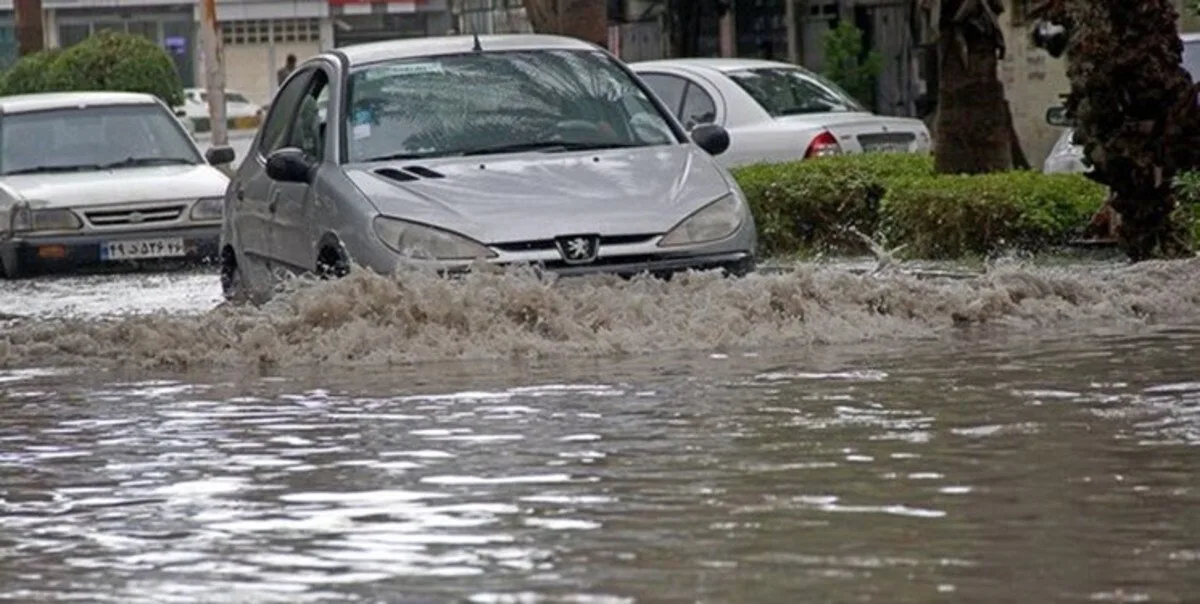
Tajabakhsh Muslim emphasized that, considering the agreement among forecasting models, there is reasonable confidence regarding the temperature and rainfall outlook in the coming months. The classic El Niño pattern indicates an increased likelihood of above-normal rainfall, which could extend to parts of Central Asia and the northern Arabian Peninsula.
She also warned that the intensity of El Niño does not necessarily mean a disaster will occur, and we must have foresight and accurate predictions to protect the lives and livelihoods of people. Tajabakhsh Muslim stressed that despite this phenomenon, we must unite and collaborate to ensure that no one is left behind under the impact of these specific climatic conditions.