The Chitgar trees, the largest forest park in the west of the capital, are not in good condition. These trees are drying out one after another, and the Director General of Environment and Sustainable Development of Tehran Municipality, Mohammad Saber Baghaikhani Pour, has discussed the roots of this crisis in interviews with the media.
Roots of the Chitgar Tree Crisis
Baghaikhani Pour believes that the roots of this crisis go back to incorrect and unscientific decisions made over the past 60 years. At that time, urban management decided to create green corridors in the east and west of Tehran, but did not pay attention to two key points: first, planting non-native species like Aleppo pine, and second, the lack of species diversity, which has led to monoculture and issues such as premature aging of trees and increased susceptibility to pests. These mistakes have made the Chitgar trees vulnerable to current climatic conditions.
Read more: Drying of Chitgar Trees and a Serious Threat to Tehran's Forest Parks
Plans for Reviving Chitgar Trees
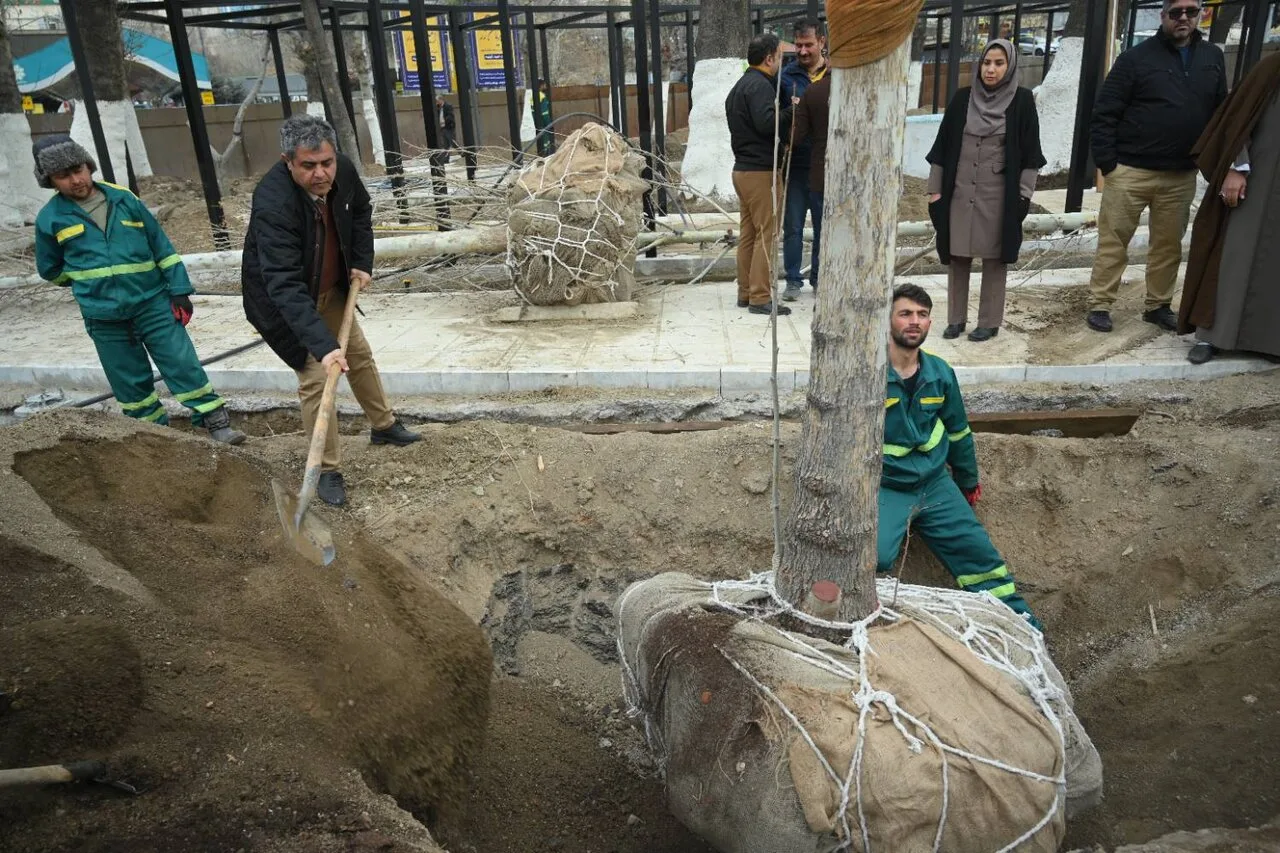
The Director General of Environment in Tehran further explained that for every tree that is cut down, between 3 to 10 native and climate-adapted trees will be planted. Currently, 30,000 new saplings will also be added to the Chitgar area. With these actions, Tehran Municipality hopes to restore greenery and the freshness of forest parks to the city.
Baghaikhani Pour also pointed to the pest problem of bark beetles, which is spreading rapidly due to the monoculture of trees. He emphasized that preventing the spread of this pest to other trees is one of the priorities of urban management. Therefore, cutting down trees is considered a preventive measure.
Water Supply and Irrigation of Forests
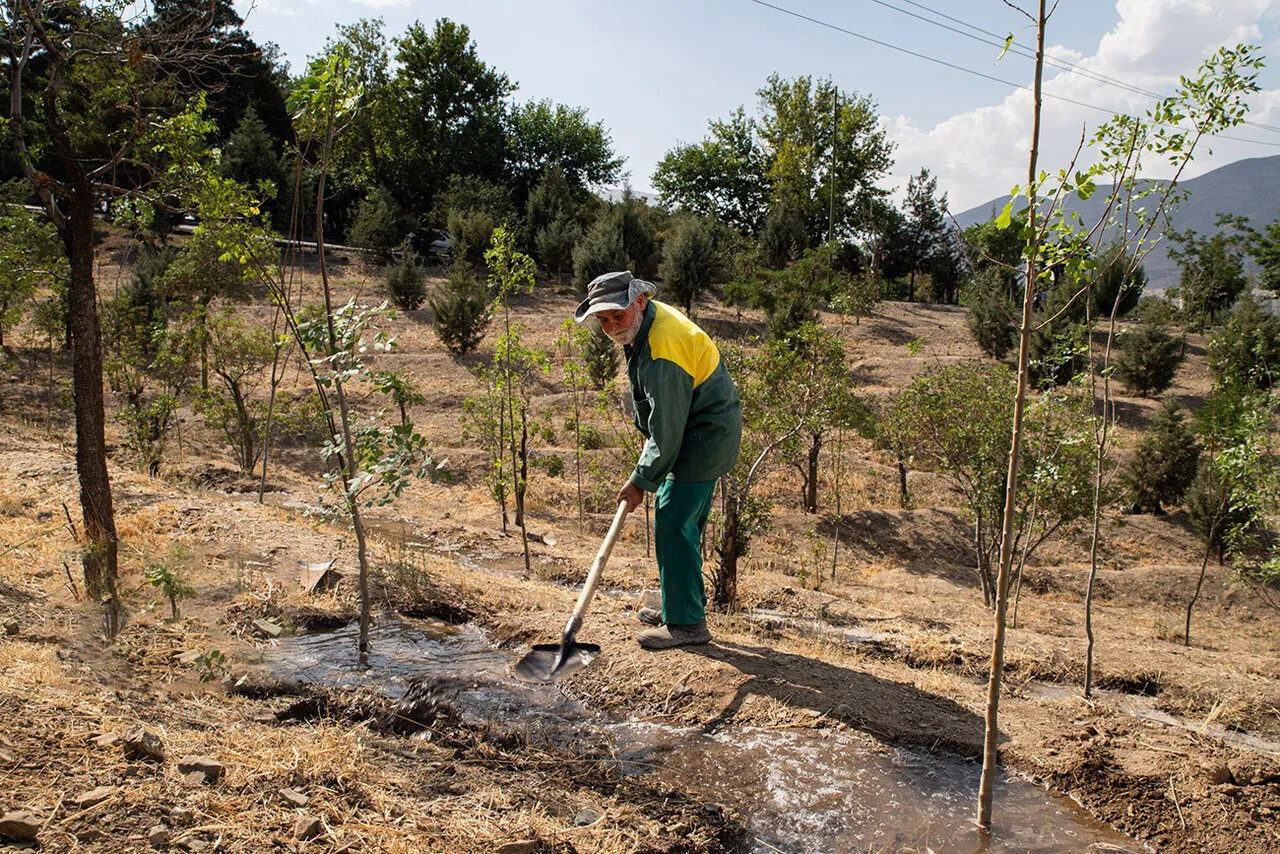
In order to secure water for forest parks, Tehran Municipality is moving towards using wastewater as an alternative source. In this regard, memorandums of understanding have been signed with the Ministry of Energy to maximize the extraction of wastewater and minimize the extraction from groundwater resources. Baghaikhani Pour emphasized that forests are not irrigated anywhere in the world, and natural forests do not require irrigation after a few years. However, plans are in place for the maintenance and monitoring of new saplings.
Past and Future Challenges
Poor management of forest parks over the past 4 to 5 decades has exacerbated current problems. Baghaikhani Pour stated that today's climate changes have made conditions significantly different, and the municipality will plant new trees for every infested tree that needs to be cut down. These actions will be carried out in collaboration with the public and jihadist groups.
Finally, Baghaikhani Pour mentioned heavy fines for cutting down trees, stating that these fines are determined based on the age and type of tree. The current urban management will not allow any change in the use of gardens and is working to expand the city's green space by purchasing properties in areas with limited green space.
Read more: Widespread Fires in California and Power Outages for Thousands of Homes · 50% Decrease in Enrollment of Foreign Students in Tehran Schools