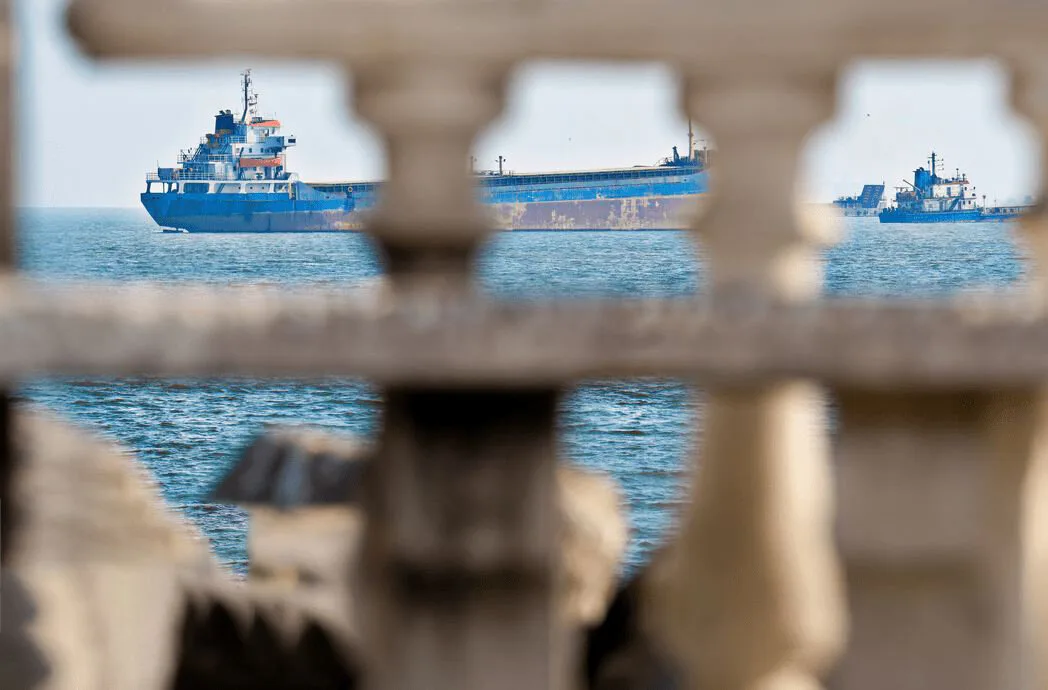
Oil tankers, commercial ships, and cargo vessels in the northern Strait of Hormuz are currently lined up waiting for passage permits from the Islamic Republic of Iran. This strait, as one of the most vital waterways in the world, plays a very important role in the transportation of oil and goods, and any disruption in it can have widespread repercussions on the global oil market and international trade.
Challenges in the Strait of Hormuz
The Strait of Hormuz, with its strategic location, accounts for more than 20 percent of the world's total oil transit. In recent years, the Strait of Hormuz has become a critical point due to political and military tensions between Iran and Western countries. Various ships waiting for passage in this area are facing serious challenges due to increased tensions and restrictions imposed by Iran.
Read more: Ahmad Midari: Guidelines for Adjusting the Salaries of Retired Government Employees Issued
Economic Consequences of Ship Delays
The wait for passage permits not only negatively impacts oil prices but also affects the overall stability of global markets. Traders and investors are facing greater uncertainty due to this situation, which could lead to reduced investments and increased prices. Additionally, as the waiting time for ships increases, extra costs arise for cargo owners, which will affect the final prices of products.
Currently, various ships are forced to change their routes or even stop at other ports due to this situation. This not only incurs additional costs for shipping companies but may also have negative impacts on the global supply chain.
Future Outlook and Solutions
Given the current situation, it seems that resolving this issue requires diplomatic dialogues and joint efforts between regional countries and the global community. These discussions could help reduce tensions and facilitate the passage of ships through the Strait of Hormuz. Furthermore, reviewing and regulating the rules regarding ship passage could lead to a reduction in similar crises in the future.
Ultimately, the Strait of Hormuz remains one of the most critical strategic points in the world, and it is expected that with appropriate measures, this situation will change soon. Otherwise, the consequences could be far more extensive than what we are currently witnessing.
Read more: Mahdi Bakhtiari Zadeh: Bulk Supply of Detergents in Tehran Markets to Reduce Household Costs · Amir Hossein Zarei: This is my fourth child, I love him