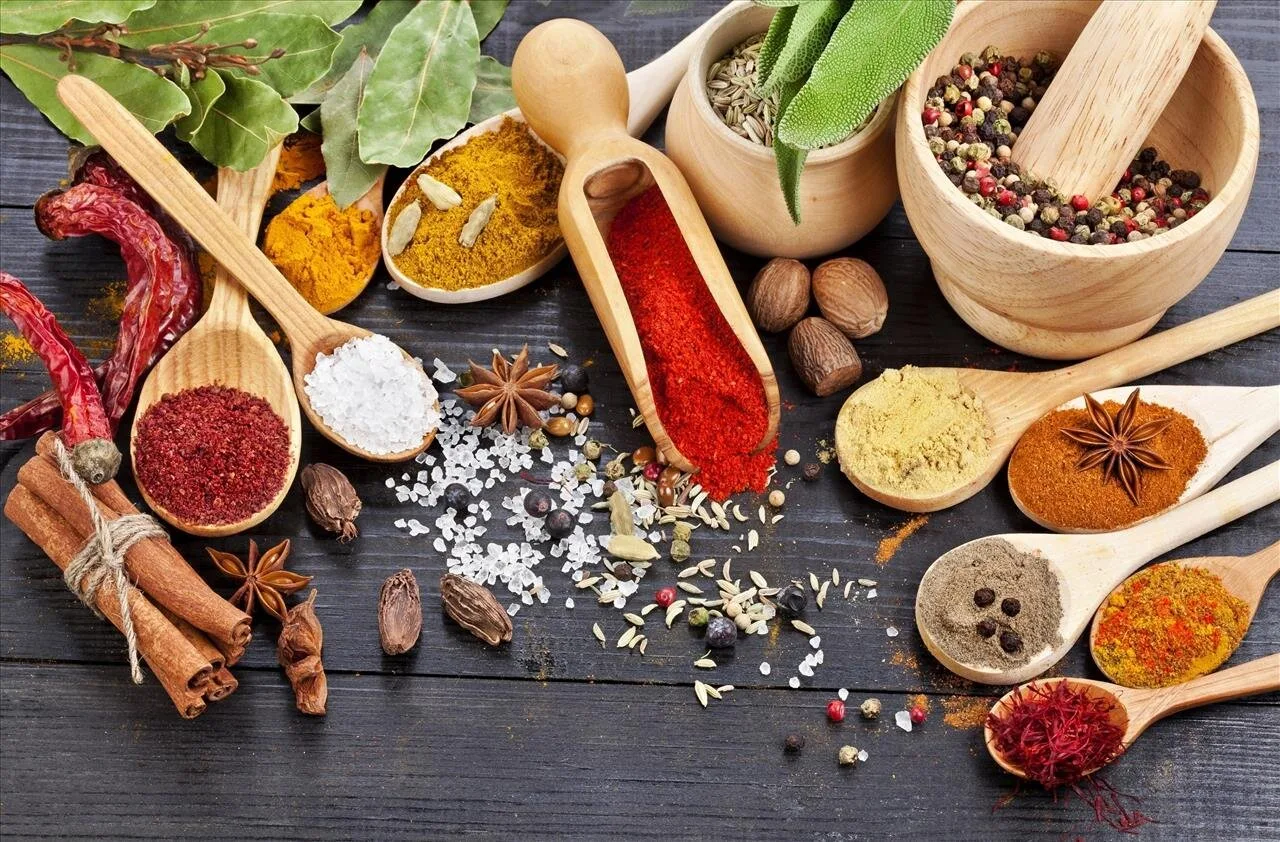
Michelle Rothenstein, a nutritionist, has introduced six anti-inflammatory spices that can help reduce inflammation and support heart health. These spices not only enhance the flavor of foods but also contain antioxidants and essential nutrients.
Cinnamon, a Spice for a Healthy Heart
Cinnamon is considered one of the beneficial spices for metabolic and heart health. Katie Hadley, a nutritionist, says: "Cinnamon can improve blood pressure, blood sugar, and cholesterol." The bioactive compounds in cinnamon include cinnamaldehyde and cinnamic acid, which have anti-inflammatory and antioxidant properties. Hadley recommends using cinnamon as a spice in meals.
Read more: Gholamreza Bahush: Dark circles under children's eyes indicate Ethiopia, not anemia
Cloves and Their Anti-Inflammatory Properties
Cloves are also recognized as another beneficial spice for heart health. This plant contains the powerful compound eugenol, which can help reduce inflammation and support healthy cholesterol levels. Rothenstein suggests using a quarter teaspoon of ground cloves or two to three whole cloves in tea or foods daily.
Garlic also plays a significant role in reducing the risk of heart disease. The allicin in garlic can lower blood pressure and protect blood vessels against plaque formation. Rothenstein says: "One to two cloves of fresh chopped garlic daily can help heart health."
Ginger and Its Benefits for the Heart
Ginger contains anti-inflammatory compounds like gingerol and shogaol that can help improve blood circulation and regulate blood sugar levels. Rothenstein recommends using one to two teaspoons of fresh ginger or half a teaspoon of ginger powder in foods or tea daily.
Chili pepper, as a spicy spice, can also help reduce inflammation. Jamie Baham, a nutritionist, says: "The capsaicin in chili peppers can help heart health by reducing inflammatory-triggering chemicals."
Turmeric and Its Effects on Heart Health
Turmeric contains the compound curcumin, which has anti-inflammatory and antioxidant properties. This compound can help reduce inflammation markers and support heart health. To enhance the absorption of curcumin, combining turmeric with black pepper is recommended.
Spices can add flavor and beneficial properties to our foods without adding calories, salt, or sugar, thus helping to reduce inflammation and the risk of heart disease.
Read more: Carbon monoxide death statistics in Tehran; the necessity of safety principles · Knock out blood pressure with these 5 foods