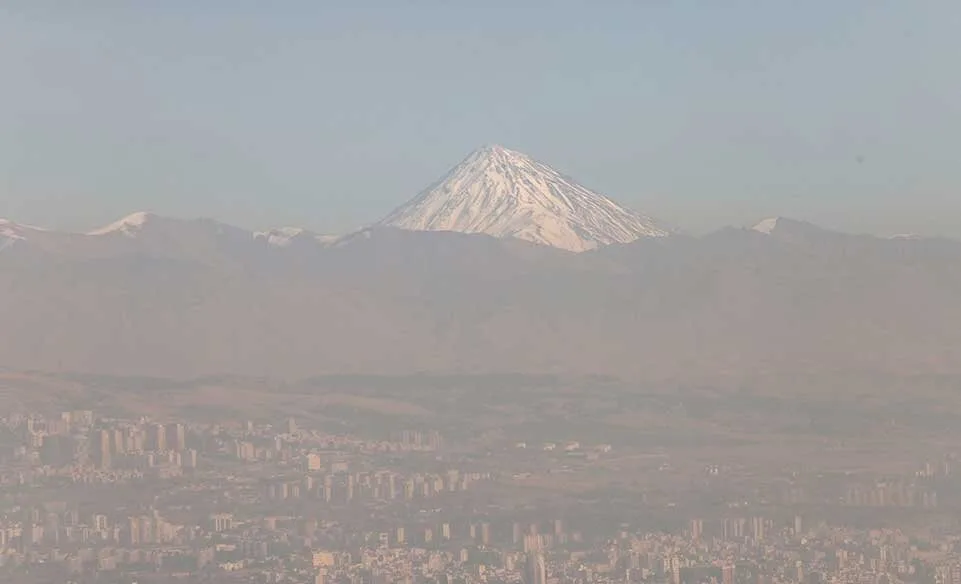
Mashhad and Damavand have been recognized as the most polluted cities in Iran in recent days, recording very unhealthy indices. According to data from the national air quality monitoring system, the Sajjad station in Mashhad recorded an index of 248, while Damavand in Tehran province recorded an index of 208, both falling into the very unhealthy category. The main pollutant in Mashhad is particulate matter of 2.5 microns, while the secondary pollutant in Damavand is reported to be ozone.
Increase in Pollution in Other Areas
In addition to Mashhad and Damavand, other cities such as Qarchak and the Health Station in Tehran, the Kharazi, Khomeini Shahr, Baharestan West, and Valdan stations in Isfahan, Assaluyeh in Bushehr, Bandar Abbas in Hormozgan, and Shush in Khuzestan have also faced increased air pollution. The air quality index in these areas has reached unhealthy levels for all age groups, indicating a concerning situation for public health.
Read more: Sahar Tajbakhsh Muslim: The Exceptional El Niño Will Soon Dominate the World
Isfahan, the Most Polluted Province
Isfahan, with four red stations recorded, was the most polluted province in the past 24 hours. Tehran, despite having three stations in the very unhealthy and unhealthy range, is recognized as one of the cities with poor air quality, even though it recorded an acceptable average air quality. Khuzestan also experienced acceptable air quality despite unhealthy conditions in Shush.
Amidst this pollution, the good news is that a large part of eastern Iran has faced clean air. The daily air quality map of the country indicates one of the cleanest days for half of Iran. Only a few limited spots with acceptable and unhealthy conditions for sensitive groups are observed in this area. The Baman station in Sistan and Baluchestan recorded an index of 17, making it the cleanest point in the country during this period.
This concerning air pollution situation in major cities of Iran, especially Mashhad and Damavand, highlights the need for urgent and serious actions to reduce pollutants and protect public health. Environmental and public health experts emphasize the necessity of adhering to health protocols and reducing traffic in these areas to prevent the negative effects of air pollution on citizens' health.
Read more: Ministry of Energy Prepared to Combat Floods Caused by El Niño · Mohsen Paknejad, Minister of Oil, Went to Work by Metro