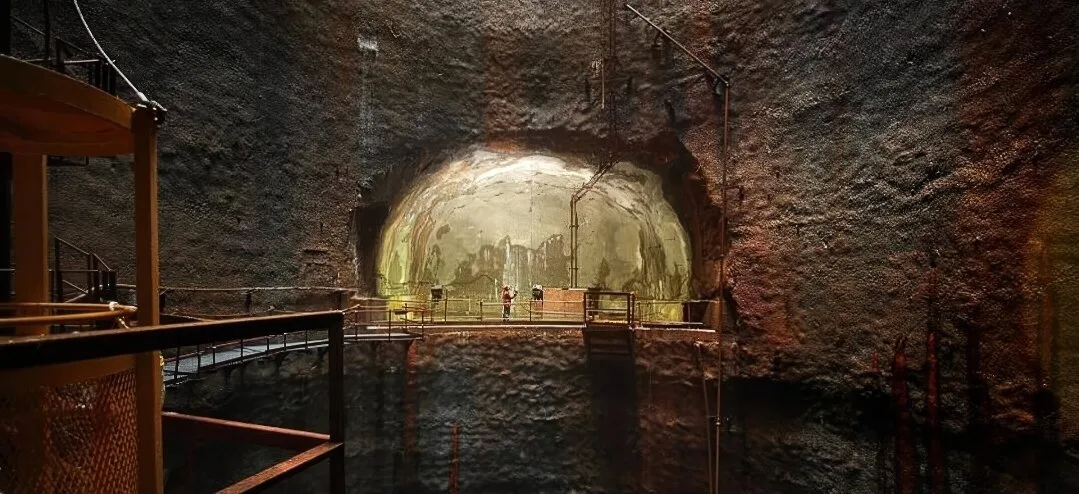
Germany is facing a serious challenge regarding gas reserves as it approaches the winter season. According to reports, the country's gas reserves have reached 61.35% by the end of October, which is significantly lower than the government's target of 80% for November 1. This reduction in reserves has raised significant concerns about the possibility of a gas shortage during the cold season.
Warning from the CEO of the 'Ines' Industrial Association
Sebastian Heinermann, the CEO of the 'Ines' industrial association, stated in a statement that the failure to meet the set targets for gas reserves indicates the need to revise and strengthen the mechanisms for filling underground storage. He emphasized that there must be a more serious commitment to ensuring gas storage for future winters.
Read more: Hormuz insecurity; profits of oil tankers are increasing and pressure on people is rising
Causes of the Reduction in Gas Reserves
According to the 'Ines' association, one of the main factors contributing to the reduction in gas reserves has been the war with Iran and its impact on energy prices. This situation has made filling gas storage during the summer economically unfeasible and operationally challenging. Additionally, the European Union's sanctions on natural gas imports from Russia following its invasion of Ukraine have exacerbated this situation.
The German government has stated that there will be no disruption in gas supply; however, these statements have not alleviated concerns. The current situation indicates a need to revise gas storage policies and strengthen infrastructure so that the country can be well-prepared for future crises.
Reports suggest that if this trend continues, Germany may face serious energy supply issues during the winter, which could have significant impacts on the economy and the daily lives of people. This situation highlights the necessity for international cooperation and the development of renewable energy resources more than ever.
Read more: Brent and West Texas crude oil prices increased due to geopolitical tensions · Friedrich Merz: Iran is acting stronger than we imagined in negotiations with the US