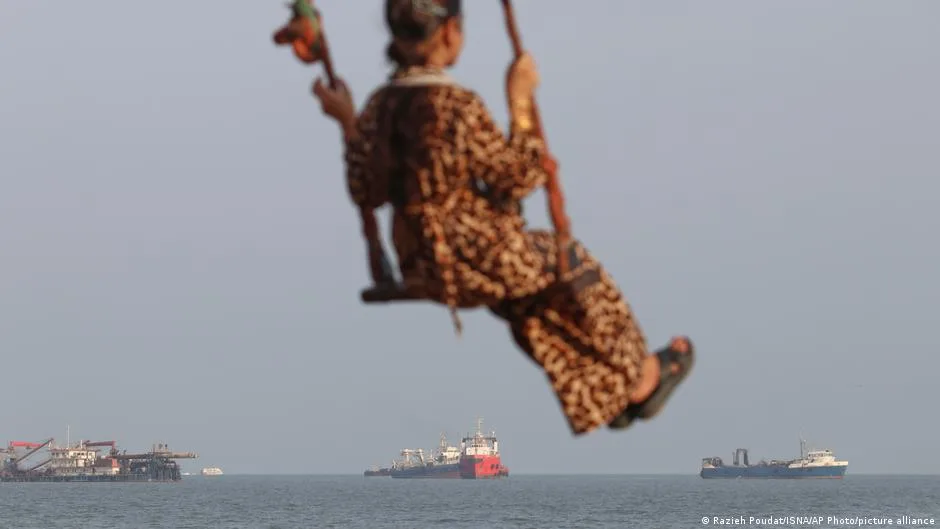
Insecurity in the Strait of Hormuz, a vital maritime transport route, allows tanker owners to continue their operations despite the dangers. While the rise in tanker rates increases profits for shipping companies, these costs are ultimately passed on to producers and consumers.
New Dangers in the Strait of Hormuz
Recent reports from the Strait of Hormuz indicate that new conflicts between Iran and the United States, particularly regarding the clearance of naval mines, have complicated the situation. Even if the main routes are free of mines, the risk of projectiles and the approach of hostile boats still makes the passage of ships costly and unsafe.
Read more: Saad bin Sherida Al-Kaabi spoke about the future of Qatar's gas exports and the war in the region
In the latest incident, a tanker was targeted by two explosive devices on October 29 (Aban 7) while 25 miles northeast of Khasab, Oman. The explosion caused a fire in the tanker’s engine room, but the crew escaped unharmed and the tanker continued on its route.
High Profits for Tankers and Human Costs
Dalga Khatinoglu, an oil and energy expert, states that the sharp increase in rates has led tanker owners, especially those of older tankers, to accept the risk of attacks. According to him, the daily rate for some tankers has reached about $1.3 million.
However, this increase in income does not mean there are no human costs. Reports indicate that this year four maritime vessels were targeted in attacks, resulting in the loss of two sailors' lives. This situation not only affects the owners' income but also transfers economic pressures to the lives of the people.
Ahmad Alavi, an economist and university professor, explains that maritime insecurity affects the cost of living for people in Iran through several channels. Increased rates and insurance, delays in cargo deliveries, and rising costs of financing goods are among these effects. This pressure will particularly impact low-income households that spend a larger portion of their income on food and medicine.
Although the government may absorb some of the pressure with preferential currency or subsidies, this action does not eliminate costs and can strain the public budget. Alavi emphasizes that ongoing insecurity in Hormuz affects not only the government's oil revenues but also inflation, employment reduction, and production limitations.
Ultimately, the return of sustainable security to energy routes depends on a political agreement, and without an agreement with the United States, there is little hope for improvement.
Read more: Director General of Africa at the Ministry of Foreign Affairs: Iran is seeking operational projects in Africa · The Revolutionary Guard destroyed an advanced MQ1 drone in the Strait of Hormuz