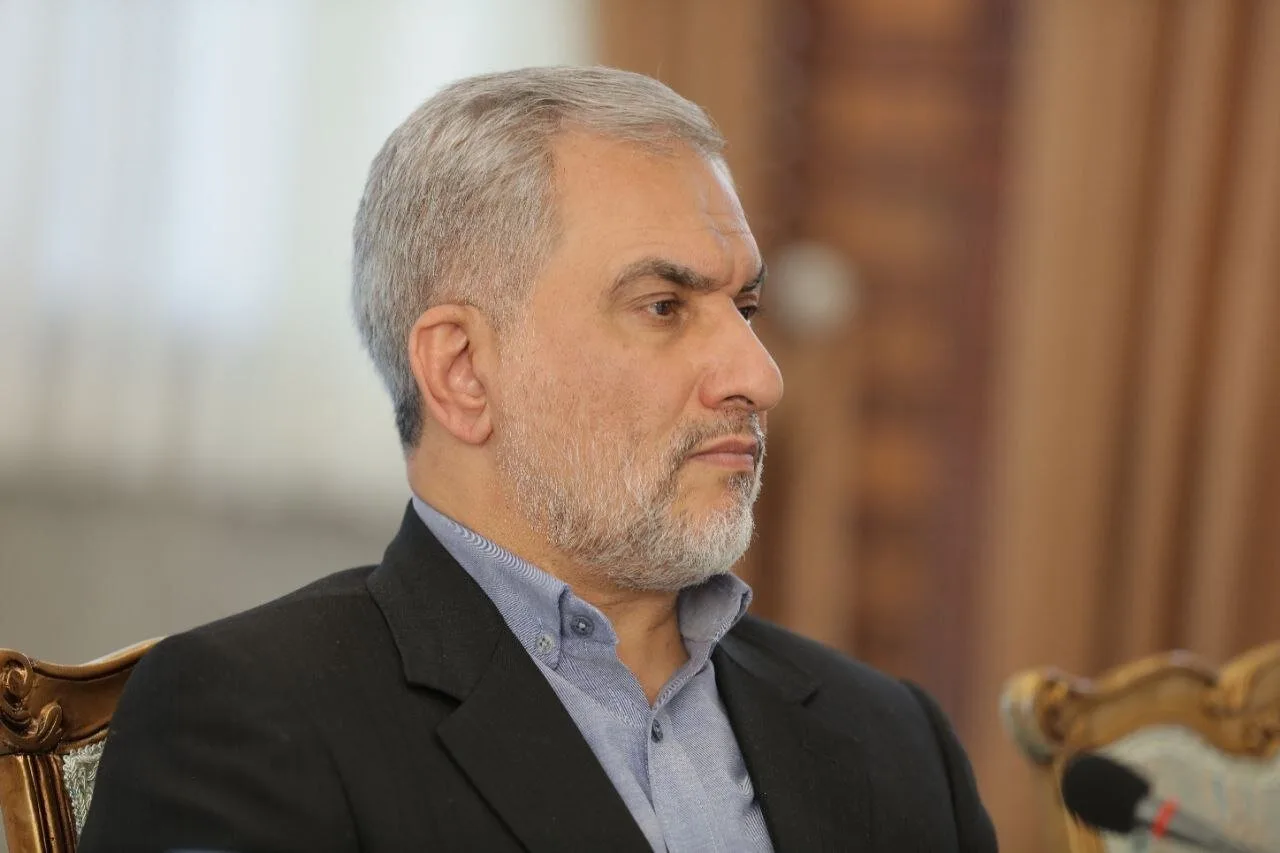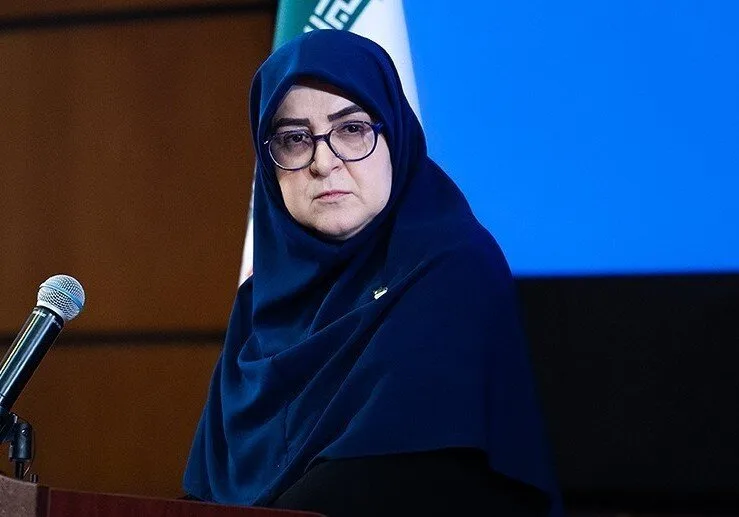
Fatemeh Mohajerani, at the conference "Narrative of Family and School Solidarity in Upholding the Right to Education during Ramadan War," referred to Iran's historical experience in past wars and highlighted the importance of preserving the homeland and education during crises. She said: "In the past few centuries, each time a war was imposed on us, we lost part of our precious land, but in recent years, despite the imposition of war, we have not lost even a fingertip of our country's territory, and this was only possible with God's grace and the bravery of our people."
Continuity of Education in Wartime
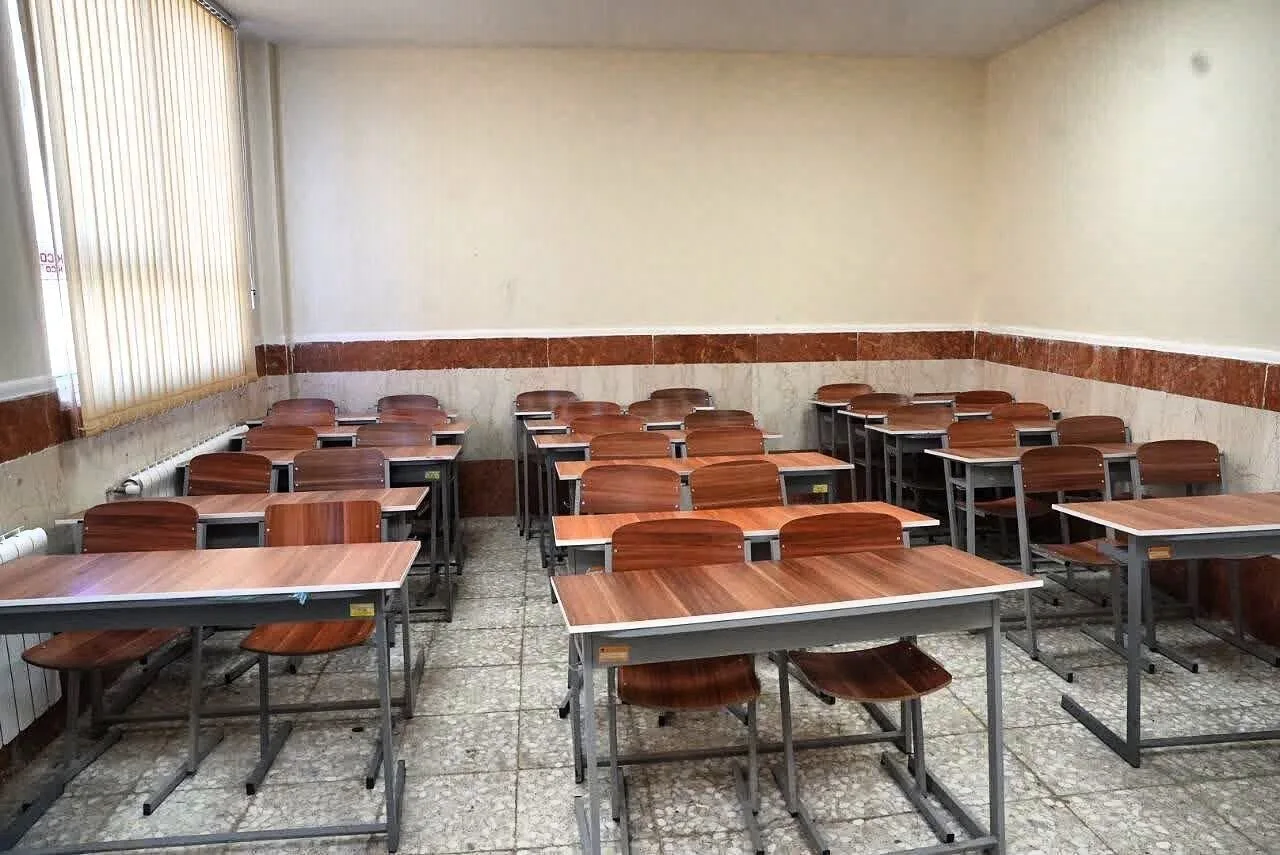
Mohajerani added: "We were in the midst of negotiations when Iran was attacked. We did not want war; it was imposed on us, but I must thank everyone who helped us reach a point where the Islamabad agreement was signed successfully." She emphasized that the attacks could not halt the educational process in the country, stating: "Bombs and missiles targeted life, the future, schools, sports facilities, and hospitals, but they could not stop our educational processes; because we are a civilized nation and believe that we must seek knowledge from the cradle to the grave."
Read more: Red alert for Chaharmahal and Bakhtiari and Kohgiluyeh and Boyer-Ahmad due to heavy rainfall
Need for International Support
The government spokesperson pointed to the psychological damage caused by the war for teachers and students, noting: "No one can say that hearing the sound of missiles does not make them tremble; this sound is the sound of death and naturally terrifies people." She urged international organizations to be active according to their mission and to uphold the rights of the Iranian people. She also referred to the humanitarian consequences of the attacks, saying: "We demand accountability from international organizations for each and every fear imposed on our people and call for the restoration of their rights."
Mohajerani emphasized that the efforts of families and teachers alone are not enough, stating: "Upholding the rights of the Iranian people requires international support and cooperation, and the organizations responsible for pursuing this matter must fulfill their responsibilities properly." She concluded by stating: "We believe that education is a collective matter and virtual education cannot replace in-person education, especially since a large part of the second cycle of secondary education is skill-based."
Read more: Heavy rains have reached Tehran; the risk of flooding is serious in 9 provinces · Hossein Shafiei: Iranians never lose