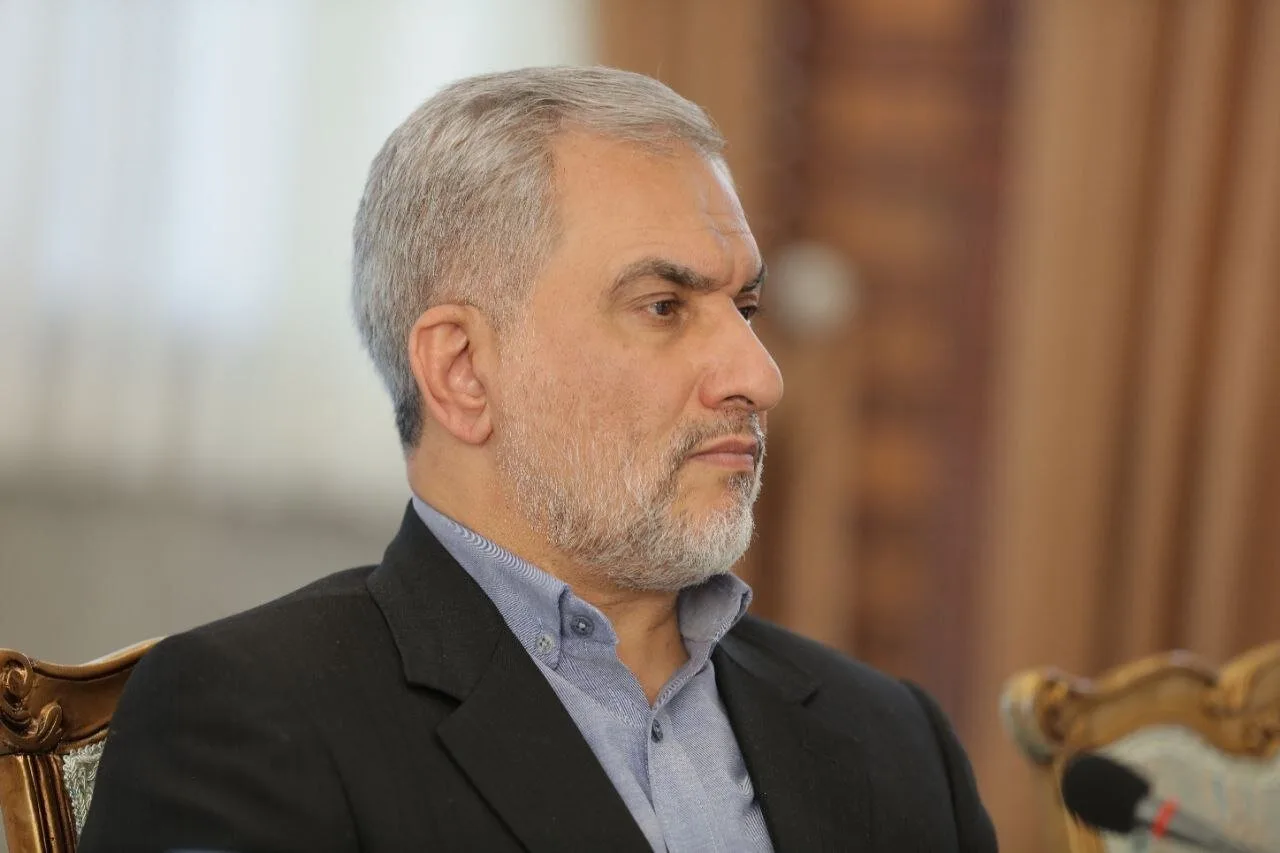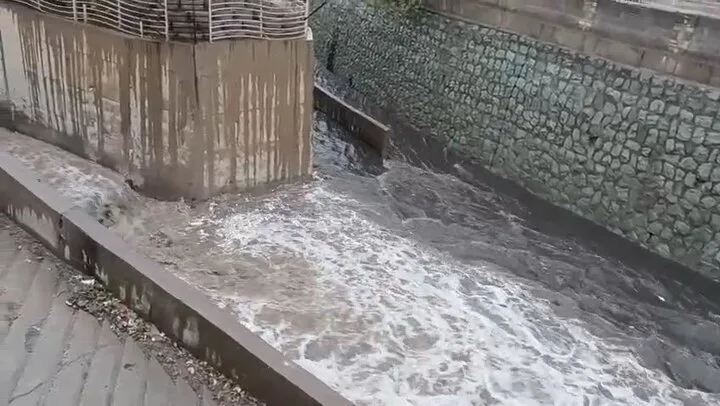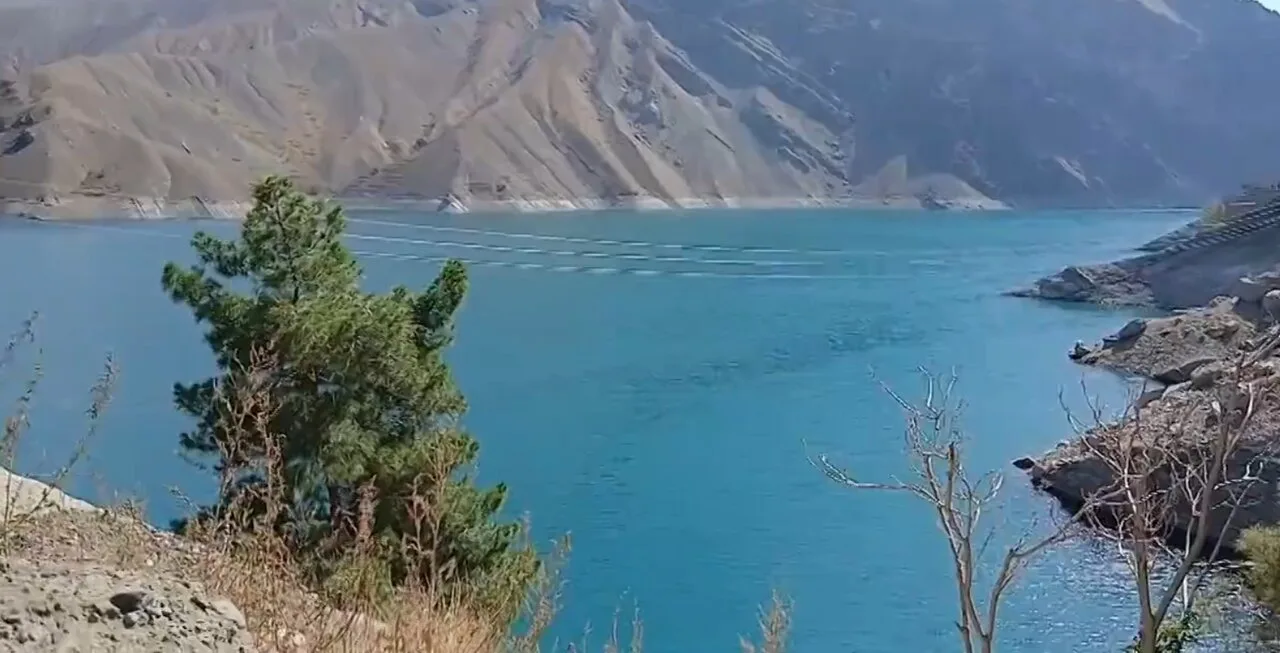
The water storage status of Tehran's dams has reached 340 million cubic meters. Behnam Bakhti, spokesperson for the Tehran Water and Wastewater Company, explained that Tehran's drinking water is supplied from five surrounding dams. These dams include Lar, Latiyan, and Mamlou in the eastern system, and Amir Kabir and Taleghan in the western system.
Challenges in Water Supply During Drought Conditions
Bakhti added that Tehran's water needs are met from two sources: surface and groundwater. Surface water is treated and tested before entering the distribution network, while groundwater is extracted and mixed with surface water before entering Tehran's network. He referred to the ongoing six-year drought and stated that this situation has minimized the extraction from surface resources.
Read more: Fatal accident of Peugeot and Shahin in Kerman with 7 dead and 2 injured
Bakhti continued: The groundwater tables, which were a strategic reserve for past generations, played a significant role in helping Tehran cope with last year's water stress and this summer. He also mentioned that 65% of Tehran's water supply comes from surface sources and added that we hope to reduce the extraction from groundwater tables through consumption management and public cooperation.
Rainfall Statistics and Dam Status
Bakhti announced regarding the rainfall situation and water supply sources for Tehran that we have now reached mid-November 1405, and the current rainfall in Tehran is 16 millimeters. While long-term statistics indicate that Tehran should have received 38.9 millimeters of rainfall during this period, this discrepancy reflects the continuation of drought.
However, the rainfall situation is better than last year. Bakhti referred to last year's zero millimeters of rainfall and stated that nevertheless, the continuation of drought has put significant pressure on surface resources, and Tehran still faces water stress.
Bakhti, examining the necessary reserves for Tehran's dams to pass through stable conditions, clarified that Tehran needs about 800 to 850 million cubic meters of water storage to navigate stable conditions. While last year's figure reached 250 million cubic meters, this year it has reached about 450 million cubic meters.
Currently, the total reserves of Tehran's five dams are about 340 million cubic meters, of which approximately 270 million cubic meters are in Amir Kabir and Taleghan dams, and 70 million cubic meters are in the eastern system. Bakhti referred to the status of the three dams in the eastern system and stated that these dams, with a total reserve of about 70 million cubic meters, are in a hard and fragile condition.
The spokesperson for Tehran's Water and Wastewater Company stated that currently, Lar dam has only 3% of its water storage, Latiyan dam is 29% full, and Mamlou dam is about 11% full. This data indicates that necessary measures and planning for supplying water to Tehran in the coming months should be considered from now on.
Bakhti also referred to weather forecasts for the coming months and stated that the forecasts are promising, but as of mid-November, no significant rainfall has occurred yet. He urged the people of Tehran to continue their cooperation in water consumption management so that if we face low rainfall again, the city of Tehran does not fall into difficult and fragile water scarcity days.
Read more: Hossein Shahpari: 138 firefighting stations on standby for rainfall · Urban development in Tehran; from organizing hazardous buildings to 89% progress in construction projects