Bill Clinton, the former President of the United States, made controversial statements detailing the sabotage actions taken against Iran's nuclear program during his presidency. He clarified that the aim of these actions was to disrupt Iran's efforts to build nuclear weapons and that he never intended to start a war and cause mass killings.
Emphasis on Not Starting a War
In these remarks, Clinton stated that during his presidency, multiple actions were taken to sabotage Iran's nuclear efforts. He clearly stated: "I never thought that to counter Iran's nuclear program we would have to go to war and witness the killing of so many people. This was while we were not supposed to occupy Iran." This statement emphasizes the necessity of refraining from starting wars without having a solution and an end to them.
Read more: Iraqchi met with his Turkmen counterpart in Ashgabat
Human and Ethical Consequences
Clinton's statements raise many questions about the human consequences of such actions. He noted that killing people should be the last resort and should only be done if we know how to prevent it from continuing. This statement alludes to the ethical and human challenges that arise during wars and conflicts.
As a senior American official, Clinton is well aware of the heavy burden of moral responsibilities regarding human casualties and the long-term consequences of these actions. He also pointed out that if you do not know the way to end a war, you should not start it. This point can be considered an important lesson for political and military leaders of other countries.
Diplomatic and Security Challenges
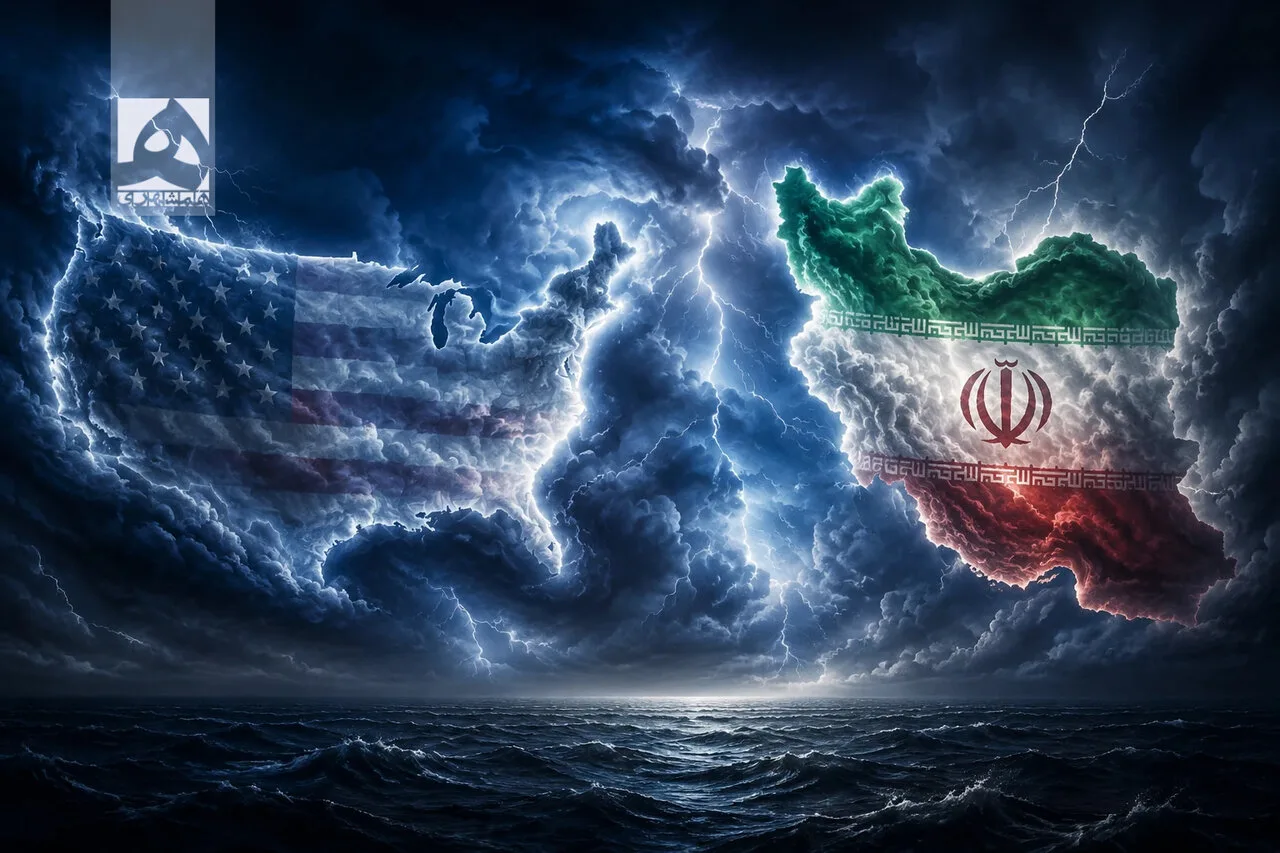
Clinton's sabotage actions and his administration's policies have not only impacted Iran's nuclear program but have also had profound effects on the diplomatic relations between the United States and Iran. This situation has led to increased tensions and heightened distrust between the two countries. Given these circumstances, questions arise about how to manage disputes and prevent future wars.
In conclusion, it should be noted that Clinton's words as a former president provide an opportunity for a deeper examination of the security and human challenges in international relations, especially regarding nuclear programs. These statements can serve as a warning for current and future leaders to consider the human and ethical consequences of their actions in their decision-making.
Read more: The U.S. Midterm Elections and the Fate of 435 House Seats · Changing the Iranian Diaspora's Perspective on U.S. Military Intervention in Iran