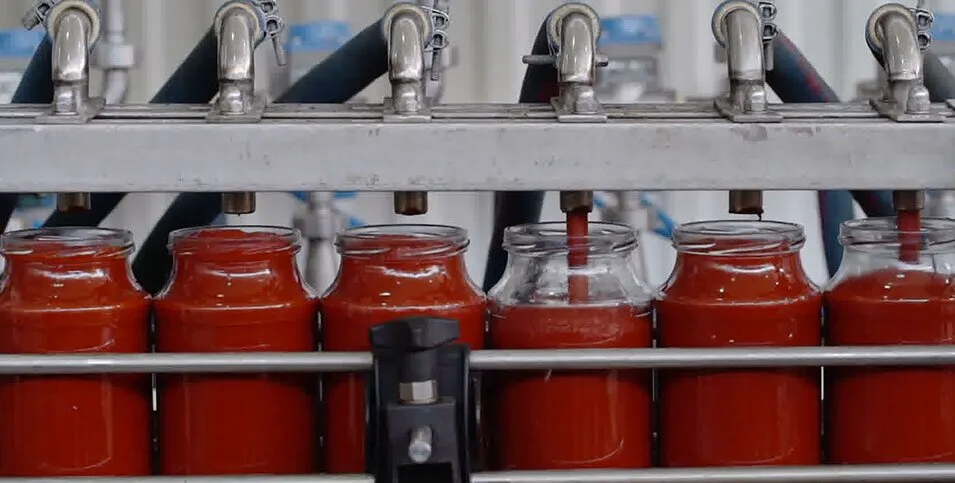
Tomato paste, one of the essential products on Iranian tables, has seen a significant price increase in the past 40 days. The price of this product rose from 210,000 tomans on August 16 to 329,000 tomans on September 25, representing a 57% increase. This price hike has raised many questions about its causes.
Shortage of Tomatoes or Pricing Issues?
In recent weeks, the Syndicate of Canning Industries of Iran has claimed that the shortage and price increase of tomatoes and the reduced supply of this product to factories have led to the rise in tomato paste prices. This body has urged the Ministry of Agriculture to find solutions for sustainable raw material supply. However, in response, the Ministry of Agriculture announced that tomato production has reached 6,580,000 tons and there are no issues in supplying the processing industries.
Read more: Koolbars and Sailors: Changing Roles in Iran's Official Imports
Decisions by the Ministry of Agriculture and Their Impacts
However, following these claims, the Ministry of Agriculture decided to ban the export of raw tomatoes until the end of the year. This decision was made to regulate the domestic market, prevent price surges, and ensure the supply of raw materials for processing industries. But the question remains: why has the price of tomato paste skyrocketed despite sufficient production?
Analysts believe that the increase in tomato paste prices cannot solely be attributed to a shortage of tomatoes. Other factors, such as pricing methods and profit margins of production units, seem to have also played a role. In this situation, it is expected that the Syndicate of Canning Industries will provide more transparency regarding the new prices instead of solely focusing on producers' issues.
Regulatory bodies should also investigate whether the warning about the raw material shortage has become a cover for price gouging and imposing unreasonable price increases on consumers. Given these developments, consumers are concerned about facing rising prices and finding it more difficult to access essential products, including tomato paste.
Overall, the market conditions for tomato paste and the factors affecting its price require more thorough investigations. While the Ministry of Agriculture reports sufficient production, existing problems and challenges in the distribution and pricing processes must also be addressed. These developments could have long-term impacts on the market and the tables of Iranians.
Read more: Tehran Stock Exchange Approaches 7.5 Million Units with a 189,000 Unit Increase · Bahaddin Hosseini Hashemi: Low Interest Rates Increase Artificial Demand for Currency