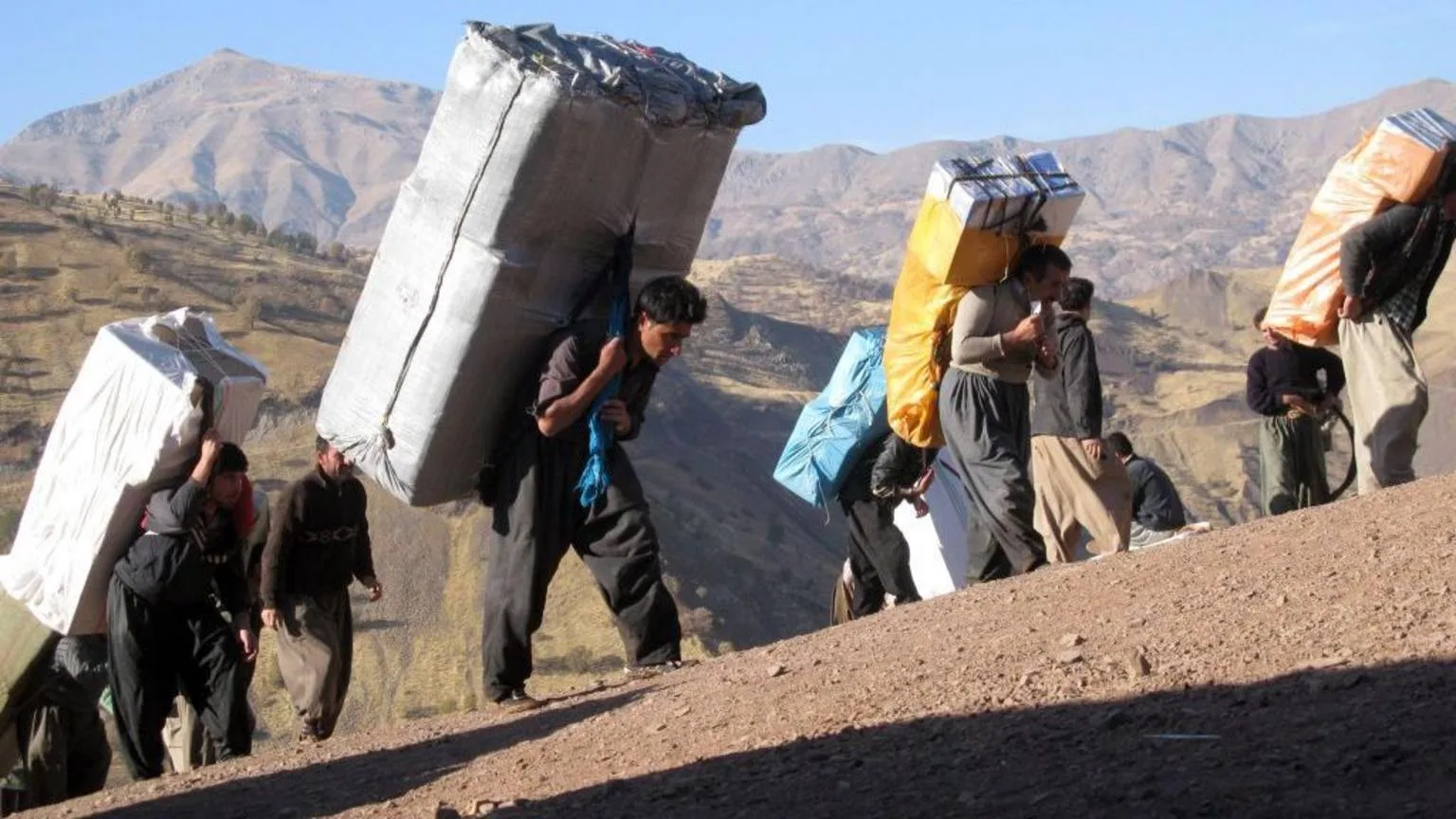
Koolbari in the mountainous border areas of Baneh and sailing in the waters of the Persian Gulf have long been recognized as symbols of Iran's marginal economy. However, in 1405, coinciding with war, sanctions, and disruptions in trade, the role of these two activities is transforming. The Iranian government has legalized and expanded these methods, turning them into part of the country's official import network.
Change in the Role of Koolbari and Tah-Lanji
As Iran's access to certain trade routes has been restricted, the government is trying to meet the country's import needs through koolbari and sailing. This policy shift follows new restrictions in maritime trade and the international banking system. Instead of limiting these two traditional methods, the government is moving towards greater utilization of their capacities.
Read more: Holding a gold bar auction at the Iranian currency and gold exchange center
The Border Trade Organization and Supervision Law, which was passed in Bahman 1402, has authorized imports through koolbari and sailing for five years. The aim of this law is to reduce informal exchanges and support the livelihoods of border residents. However, in practice, it seems that these two methods have become channels for meeting part of the country's import needs.
Social and Economic Consequences
The expansion of koolbari and tah-lanji signifies a change in the economic structure of border areas. While in the past, koolbars played a primary role in this field, now larger economic players have entered this chain. These changes have led to a reduction in job opportunities for traditional koolbars and increased economic pressure on residents of border areas.
Statistics indicate that the number of active koolbars is estimated to be around 300,000, but with the expansion of new mechanisms, this number is decreasing. Traditional koolbars, who have lived by transporting goods for years, are now facing new challenges, and these changes may benefit larger companies and cooperatives.
Ultimately, these developments have impacted not only the economic structure but also the social lives of border residents. While koolbari had become a livelihood, it has now turned into a tool for formal trade.
Read more: Tehran Stock Exchange rose by 121,000 units on the path to ascent · U.S. sanctions have restricted Iran's skies