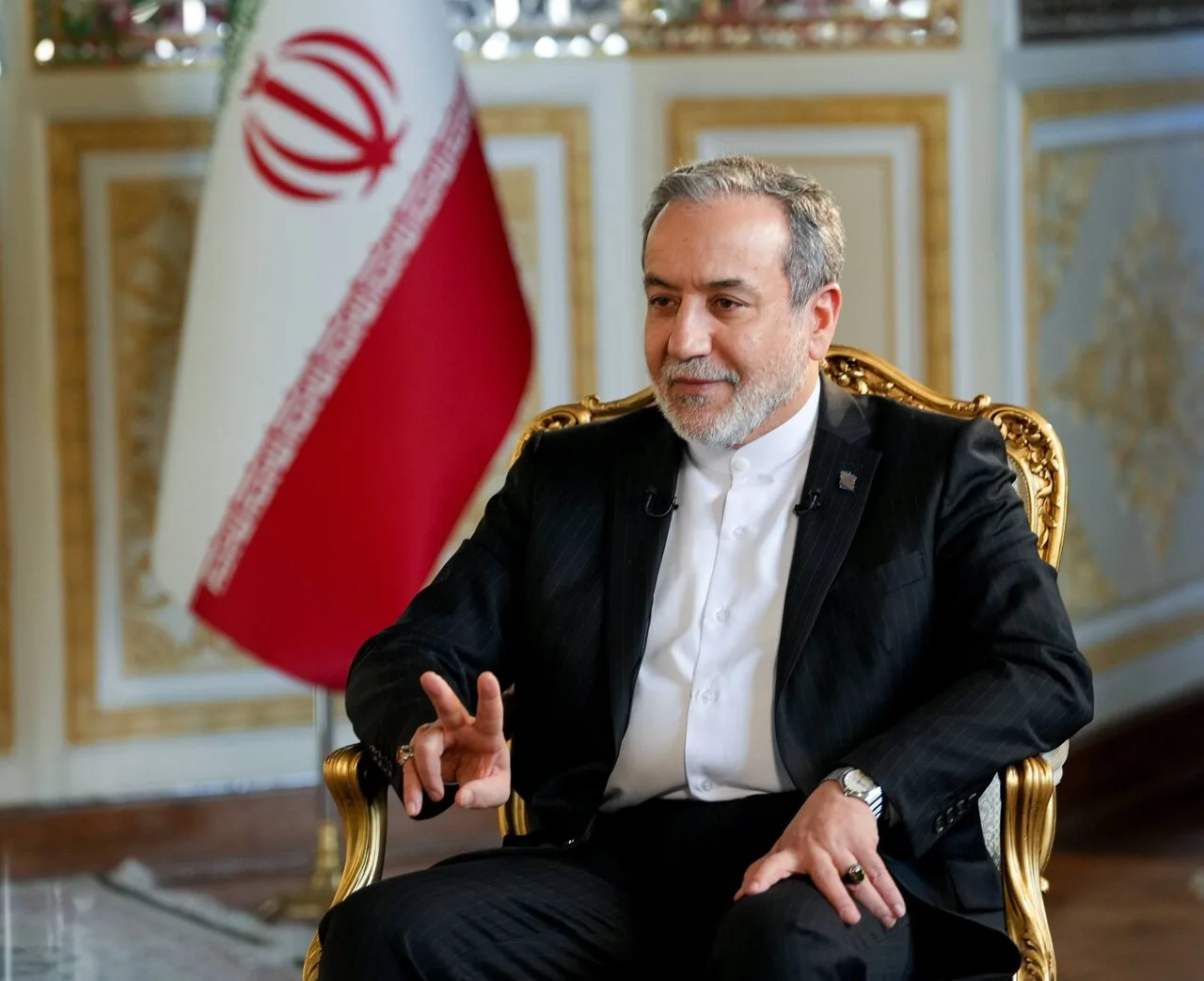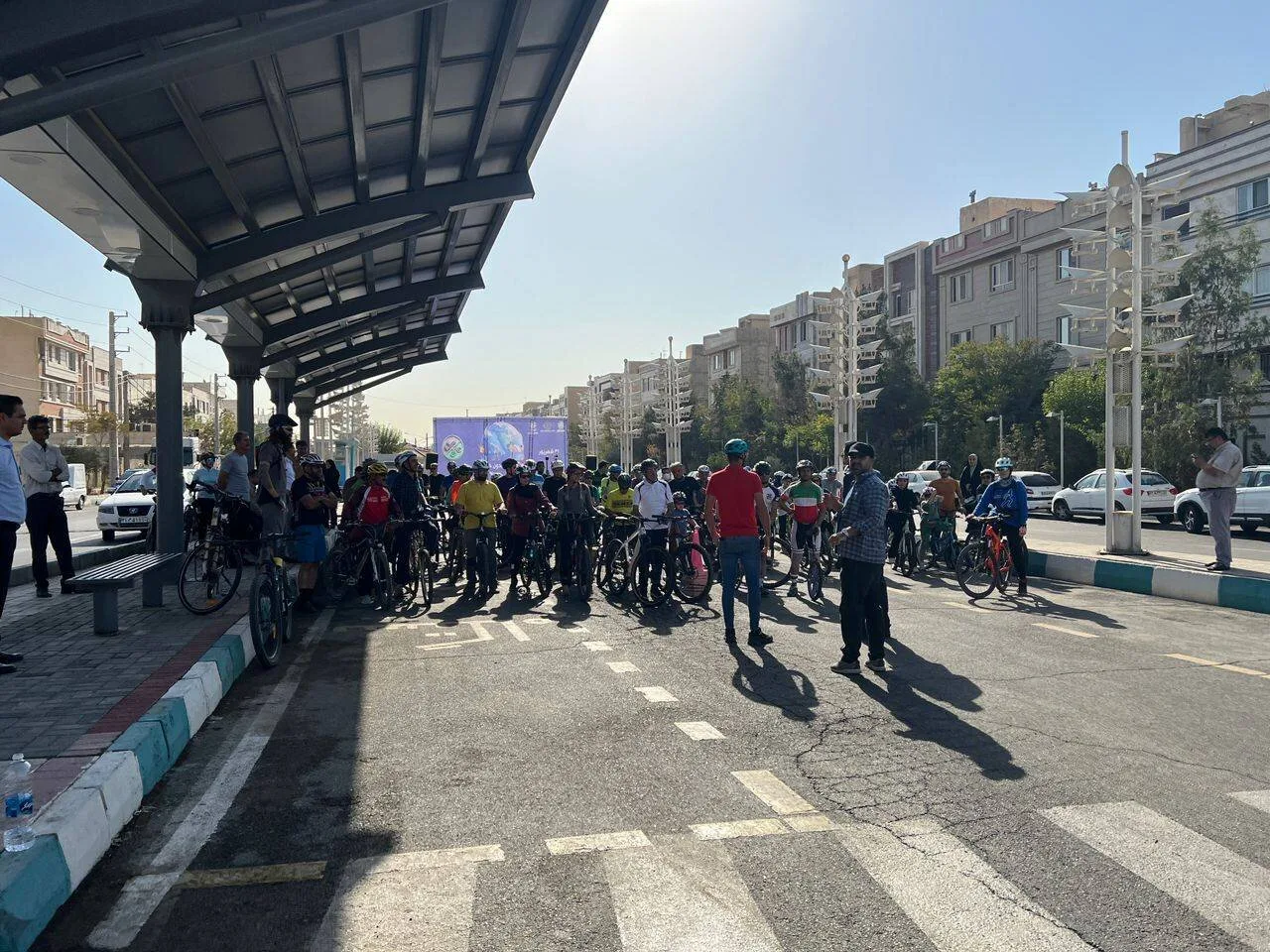
Yaqoob Azadeh Del, advisor to the CEO of Tehran's Traffic Transportation Organization, has pointed out the importance of holding a Car-Free Day and its impact on reducing dependence on gasoline in a note. The idea of Car-Free Day, which dates back to the mid-1990s, is presented as an opportunity to envision a city with less dependence on cars and fossil fuels.
Transportation and Energy Consumption Challenges in Tehran
This day has gained particular significance in Iran due to energy and gasoline consumption management. According to statistics, 62% of the vehicles currently on the road in Tehran are single-occupancy, indicating inefficient use of vehicle capacity. This pattern not only exacerbates traffic but also increases fuel consumption.
Read more: Brigadier General Abolfazl Mousavipour: Traffic will increase by 30% in October
Moreover, out of approximately 20 million daily trips in Tehran, about 20% of the trips are less than 5 kilometers. This indicates that millions of short trips are made in a city that could be conducted using methods other than personal vehicles. Specifically, 40% of trips under 5 kilometers are made by personal vehicles, reflecting an unsustainable urban energy consumption pattern.
Changing Transportation Patterns and Urban Design
Azadeh Del emphasizes that Car-Free Day can be an opportunity to practice reducing gasoline consumption without eliminating the need for transportation. Short urban trips are a suitable starting point for this change. Methods such as walking, cycling, e-biking, and a combination of public transport and micromobility can be utilized. These changes not only reduce traffic and air pollution but also help decrease fuel consumption.
Additionally, developing infrastructure such as cycling paths and public transport should be part of the country's energy management strategy. However, these policies will not be complete without changes in urban structure. Workplaces, residences, education, and shopping must be made more accessible and closer together so that cars do not become the default option for citizens.
Successful experiences in other countries like Istanbul and Baku show that reducing dependence on cars can become a tangible goal. In these cities, the movement of ordinary vehicles is restricted, and options for public transport and cycling have flourished. These experiences demonstrate that transportation cannot be viewed separately from urban development.
Azadeh Del concludes by emphasizing that Car-Free Day can be a starting point for sustainable changes in gasoline consumption. The key question is whether we really need cars for daily travel or if we can create a city with less dependence on gasoline by using other options.
Read more: Phone conversation between Seyyed Abbas Araghchi and Mohammad Es’haq Dar · Reducing the interval of Tehran metro trains for busy days in October