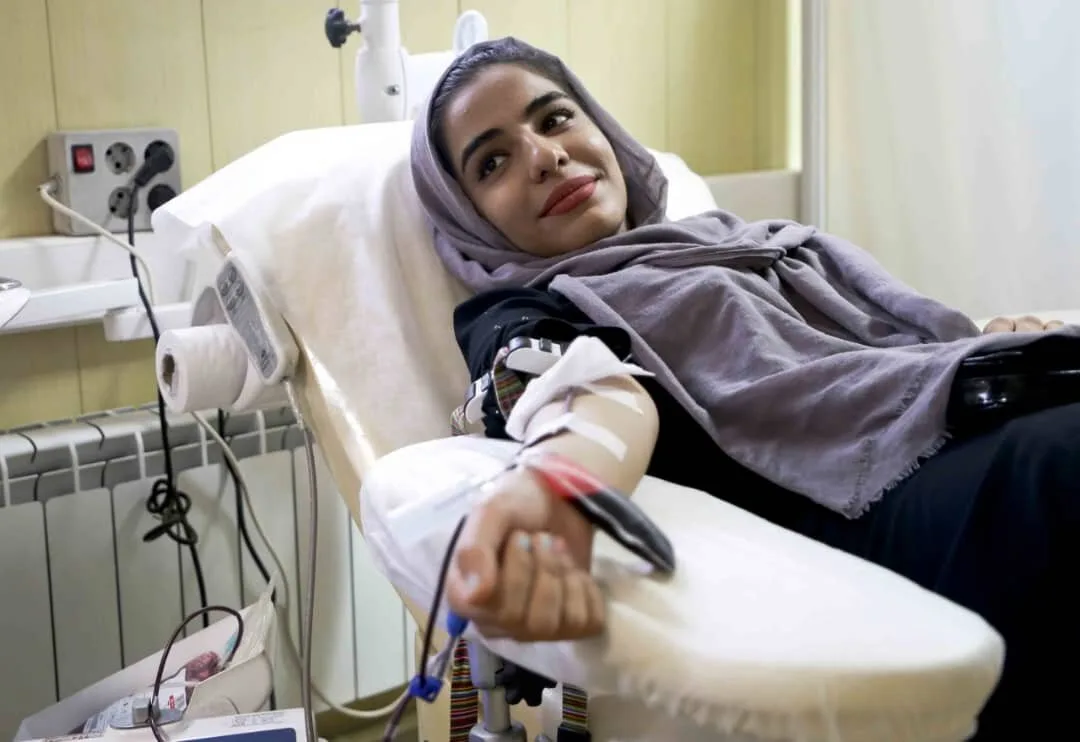
Blood donation is a humanitarian and vital act that can save many patients' lives. This act not only helps others but also has many benefits for the donor. However, women need to pay attention to certain special conditions and points when donating blood, which we will review here.
General Conditions for Blood Donation
First, it should be noted that the general conditions for blood donation for women are not much different from those for men. Both groups must be in good health and voluntarily donate their blood. However, there are some specific conditions that women need to pay attention to.
Read more: Dr. Lori Schneider: Cooked tomatoes reduce the risk of prostate cancer
Pregnancy Status and Blood Donation
Pregnant women cannot donate blood. During pregnancy, women's bodies undergo many changes, and their hemoglobin levels may decrease. Therefore, donating blood during this period can be dangerous. Additionally, after childbirth, some time must pass for the body to return to normal before the donor can donate blood again.
Hemoglobin Levels and Interval Between Blood Donations
Another important point for blood donation in women is hemoglobin levels. This substance in the blood is responsible for carrying oxygen to the cells, and if its level is low, the donor may experience weakness and fatigue. Therefore, hemoglobin levels should be checked before donating blood. Additionally, the interval between blood donations is also important. Women should have at least 12 weeks between each blood donation.
Preparation Before Blood Donation
Before donating blood, women should pay attention to a few points. The first point is to rest well and get enough sleep the night before donating blood. Also, consuming iron-rich foods such as red meat, green vegetables, and legumes can help maintain hemoglobin levels. Furthermore, drinking enough water on the day of blood donation is particularly important.
Benefits of Blood Donation for Women
Blood donation is not only beneficial for patients but also has many benefits for the donor. This act can help reduce the risk of certain diseases and also lead to increased feelings of satisfaction and happiness in the individual. The feeling that you can help someone and save their life is a very valuable sensation.
In conclusion, blood donation is a very important and humanitarian act that can have a significant impact on the lives of others. Women, considering their specific conditions, can easily and knowledgeably donate blood and help save patients' lives.
Read more: Alireza Sharifi Yazdi: The increase in the migration of healthcare staff is due to economic and social problems · Progress in controlling tuberculosis by identifying 5,676 cases in Iran