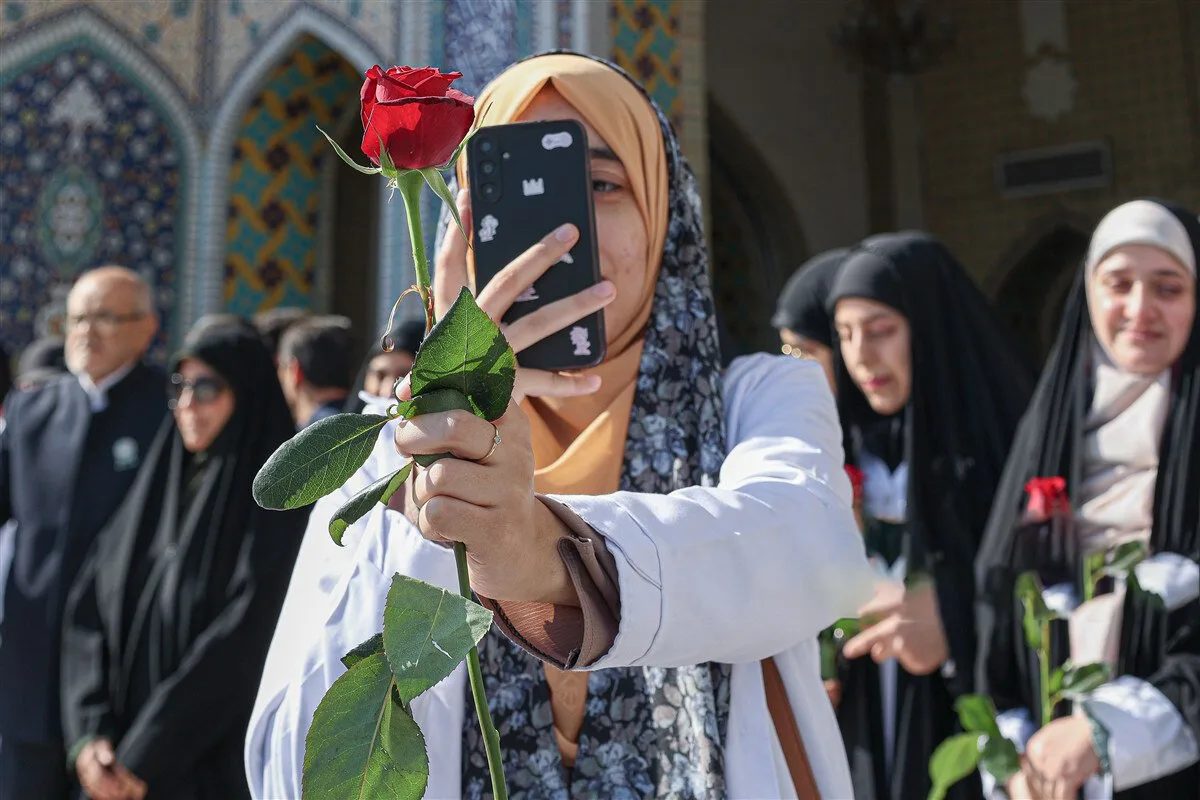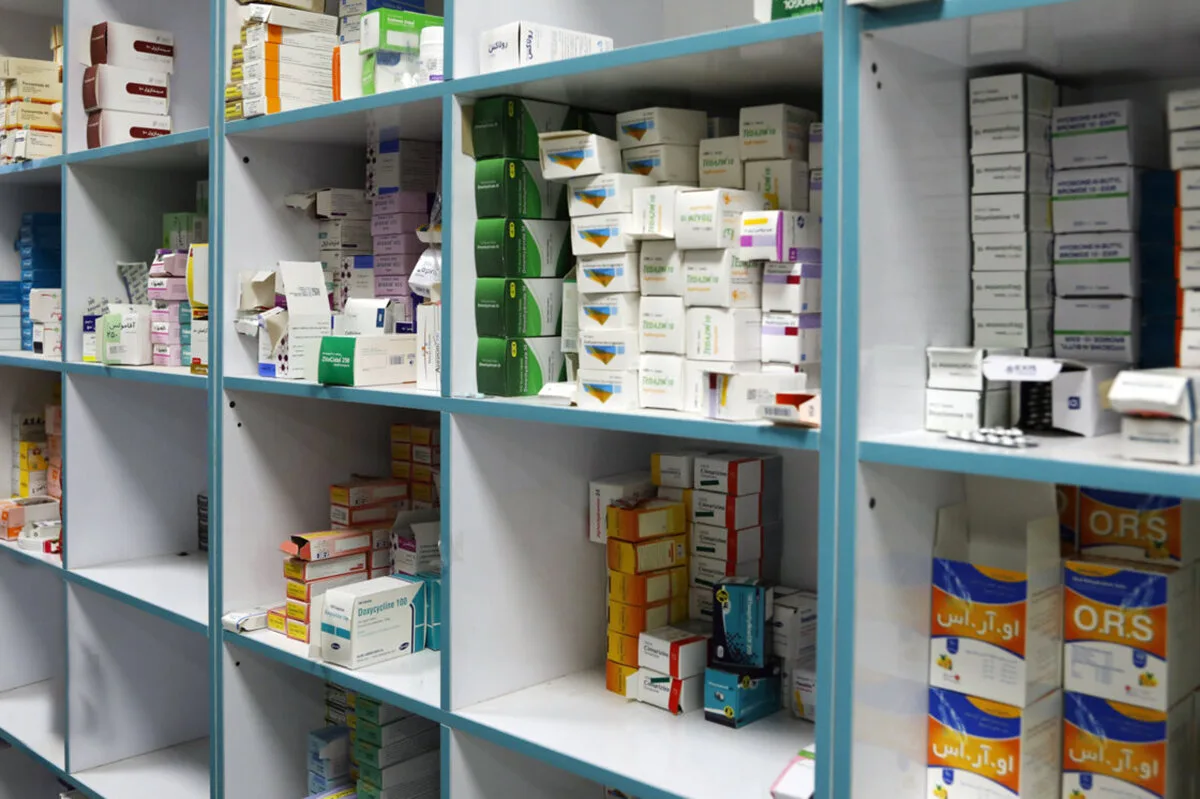
Ghobad Moradi, head of the Center for Communicable Disease Management at the Ministry of Health, announced the identification of 5,676 tuberculosis cases in the country during the National Tuberculosis Day commemoration. He stated that the incidence of tuberculosis in Iran has shown a decreasing trend in recent years and that the country has a favorable status in controlling this disease compared to other countries in the region.
Situation of Tuberculosis in Provinces
Moradi pointed out that Sistan and Baluchestan is the province with the highest incidence of tuberculosis. Following that, Golestan and Razavi Khorasan provinces also have higher incidence rates. He also mentioned the increase in tuberculosis cases in some northern provinces, especially Gilan, attributing it to the aging population.
Read more: Amir Ali Hamidieh: 100% of stem cell transplant drugs are produced in Iran
Challenges in Identification and Treatment of the Disease
Moradi emphasized that the World Health Organization estimates the number of tuberculosis cases in Iran to be around 9,600, meaning that some cases are not being identified. He added that to reduce the incidence of tuberculosis, the structures of the healthcare and disease control system must be maintained, while at the same time, efforts to identify new cases must be increased.
The head of the Center for Communicable Disease Management at the Ministry of Health listed individuals in contact with tuberculosis patients, transplant recipients, those taking immunosuppressive medications, the homeless, and marginalized populations as target groups for screening. He also stressed the importance of identifying and treating latent tuberculosis, stating that this requires serious attention.
Use of Diagnostic Technologies and Improvement of Treatment
Moradi pointed out the necessity of rapid tuberculosis diagnosis and the use of modern technologies in this area, stating: "Using methods like GeneXpert for rapid diagnosis of the disease and paying attention to drug resistance becomes increasingly important." He also announced that the success rate of tuberculosis treatment in the country is about 84% and expressed concern over the decrease in this indicator.
The Center for Communicable Disease Management at the Ministry of Health stated that part of the mortality among tuberculosis patients may be due to comorbidities, especially in the elderly. Therefore, managing a tuberculosis patient should also include treating comorbid conditions.
In conclusion, Moradi emphasized the importance of active case finding, expanding treatment for eligible individuals, rapid diagnosis, and planning to combat drug resistance, stating that these are among the most important focal points of the tuberculosis control program in the country.
Read more: Mojtaba Khamenei and nurses' dissatisfaction with working conditions · Daily fracture of 400 bones in Iran; a warning for public health