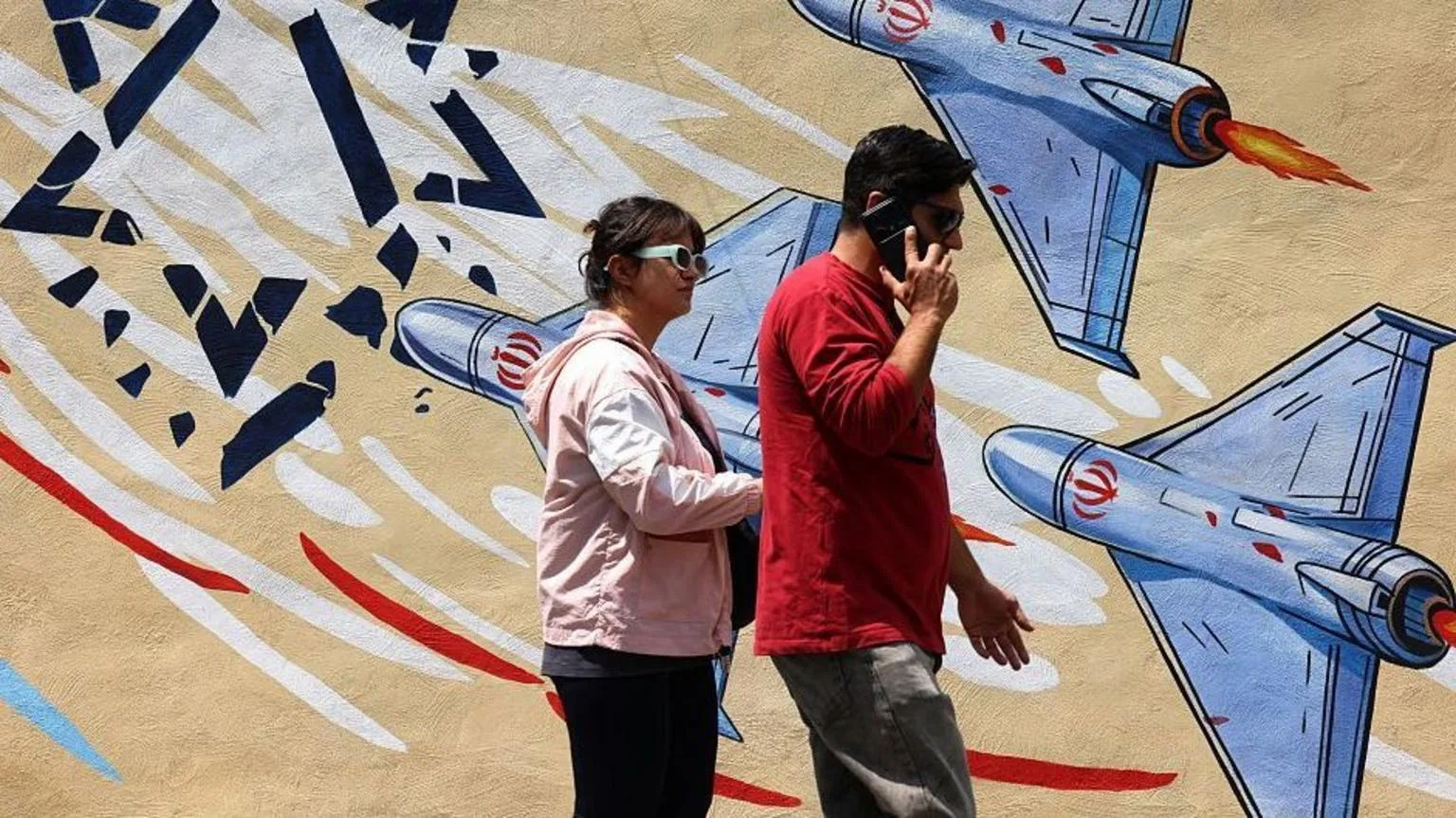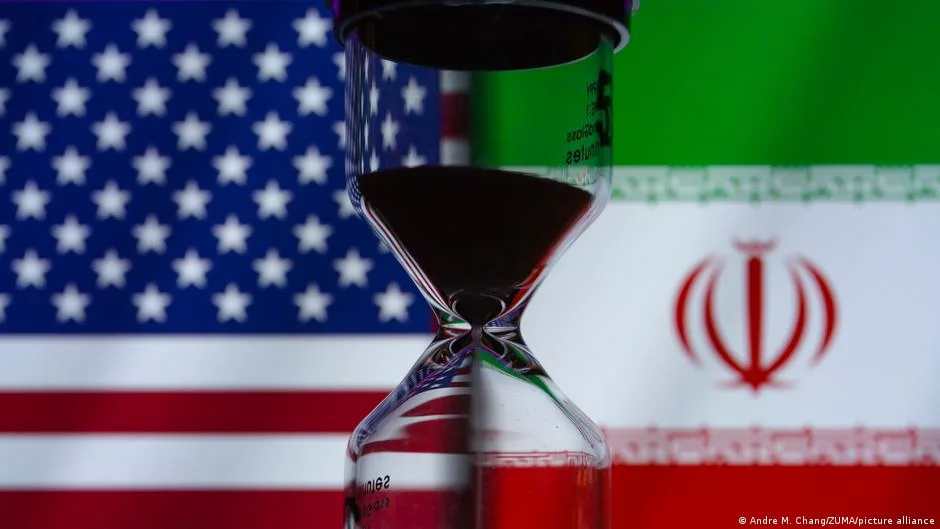
The U.S. congressional midterm elections on November 3 (Aban 12) could overshadow Washington's political calculations. In this context, the U.S. and Israel's war against Iran has entered its ninth month, and diplomatic efforts to end this war have intensified once again. However, disagreements over Iran's nuclear program, U.S. sanctions, and the security of navigation in the Strait of Hormuz continue to hinder reaching an agreement.
Eight Key Factors in the Fate of the War
Omid Memarian, a senior analyst on Iran at the "Dawn" Institute, Leila Marvati, a political analyst residing in Finland, and Babak Rezaei Daryakenari, an associate professor of international relations at Leiden University in the Netherlands, have identified eight factors that could influence the fate of the Iran war. According to Memarian, a Democratic victory may lead Trump to focus more on domestic issues, and as a result, the costs of the war could come under scrutiny from congressional investigative committees.
Read more: Trump and Putin's Agreement Against Ukraine's Attack on Russian Oil Refinery
On the other hand, a Republican victory could allow Trump to adopt more aggressive policies towards Iran. He believes that the U.S. President has considerable freedom of action in foreign policy, and a Republican defeat does not necessarily prevent new attacks from occurring.
Changes in Israel and Their Impact on Iran
A change of government in Israel could also influence the fate of the war. Benjamin Netanyahu's bloc, the Prime Minister of Israel, has fallen short of securing the necessary majority, and this situation could pressure Netanyahu to take new and more serious actions. However, according to Memarian, a change of government in Israel will not, by itself, alter the country's policies towards Iran.
Israel's security concerns regarding Iran are not limited to Netanyahu, and changes in the composition of the ruling coalition may alter the manner and timing of confrontations. According to Marvati, Iran's nuclear program remains the main knot in negotiations and bargaining, and Washington is concerned that a nuclear Iran could disrupt security calculations.
Ultimately, the future of the Iran war depends on the positions of both sides. If the two countries cannot reach an agreement on contentious issues, there is a possibility of escalating tensions and even renewed military confrontation. Memarian believes that achieving a framework for negotiations could be a significant step towards addressing issues and reducing tensions.
Read more: Ilham Aliyev Emphasizes the Independence of Azerbaijan · Ismail Baqai: Developments in the Security of the Persian Gulf Region Are Underway