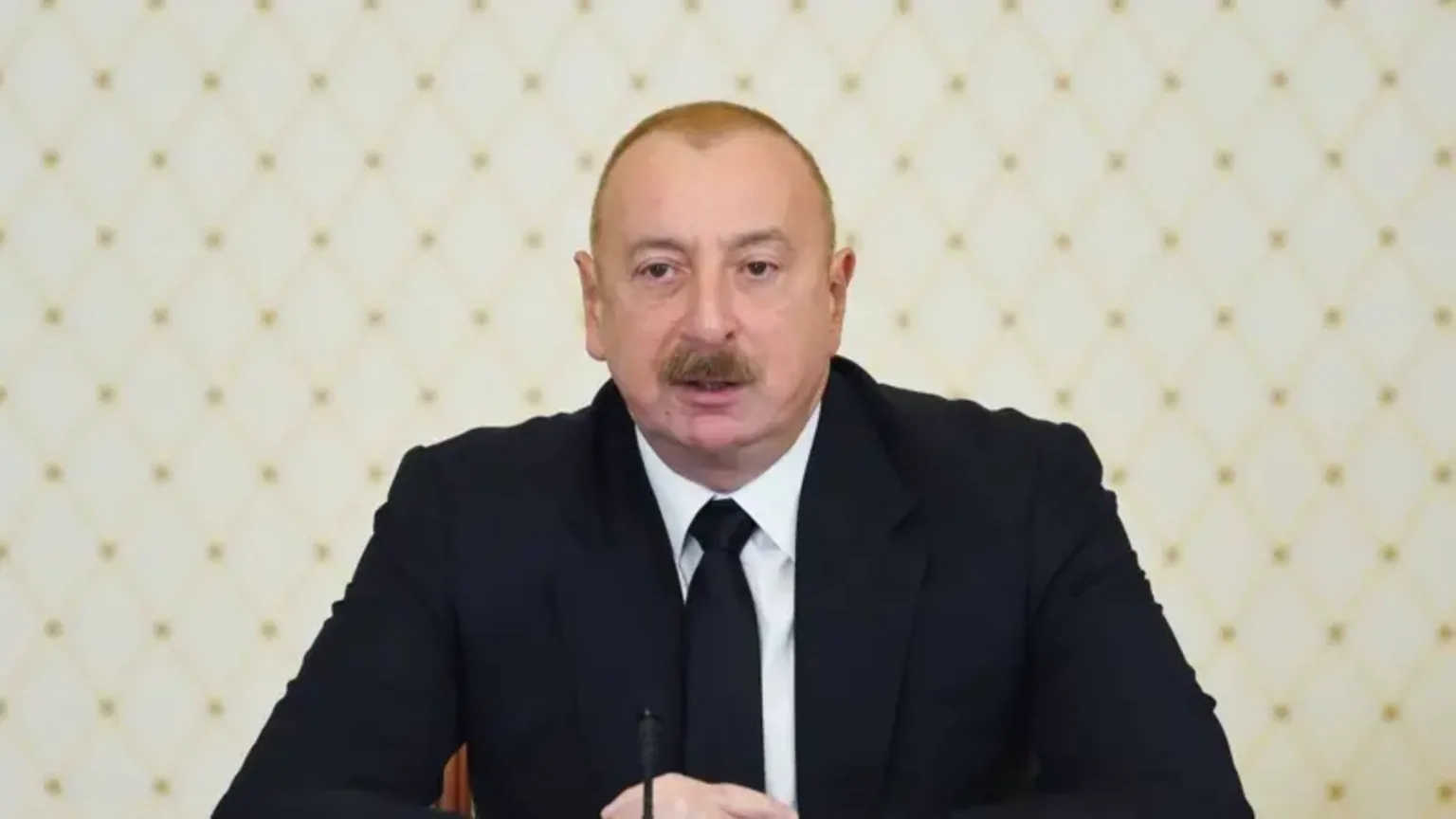
The divide between the rulers and the people of Azerbaijan, especially after the ban on wearing hijab in schools, has become one of the hot topics of public debate. While Leyla Aliyeva, the Deputy Chair of the Heydar Aliyev Foundation, and Alina Aliyeva, the daughter-in-law of the President of Azerbaijan, were participating in events in the Vatican at the end of September, the government of Azerbaijan officially announced that students are not allowed to wear anything different from the school uniform.
Hijab Ban and Social Reactions
This decision, known as the "hijab ban," quickly became a dominant topic on social media, intensifying discussions not only about religious freedoms but also about social issues. This controversy gained a new legal basis after the decision of the Cabinet of Ministers of Azerbaijan on September 21, 2026. Although the term hijab is not directly mentioned in this decision, in the released videos, veiled students are among those whose attire does not comply with school regulations.
Read more: Iraqi Analyst: Tehran Talks as a Way to Manage Disputes
New Era of Social Discontent
Many people are talking about the growing divide between the government and society. Discontent over economic conditions, low wages, rising living costs, and difficulties in accessing housing and healthcare is clearly visible on social media. Farid Mehralizadeh, an economist currently in prison, has pointed out that the official poverty rate in Azerbaijan is unrealistically low and does not accurately reflect the country's economic realities.
The living conditions for ordinary citizens contrast sharply with the lives of political and economic elites. Luxurious travels and international events, especially in Baku, remind one of realities that are far removed from the daily lives of the people. While the government emphasizes large international projects, the everyday problems of the people are pushed to the sidelines, leading to increased discontent.
Ultimately, with the hijab ban entering a new phase on October 12, this social divide became particularly evident on social media. People are increasingly expressing their discontent, and in this atmosphere, the gap between the official agenda and the everyday concerns of society is clearly felt.
Read more: Austrian Analyst: Social Protests in Europe Result from Militaristic Policies · Student Protest Against Anti-Hijab Policies in Front of the Azerbaijan Embassy