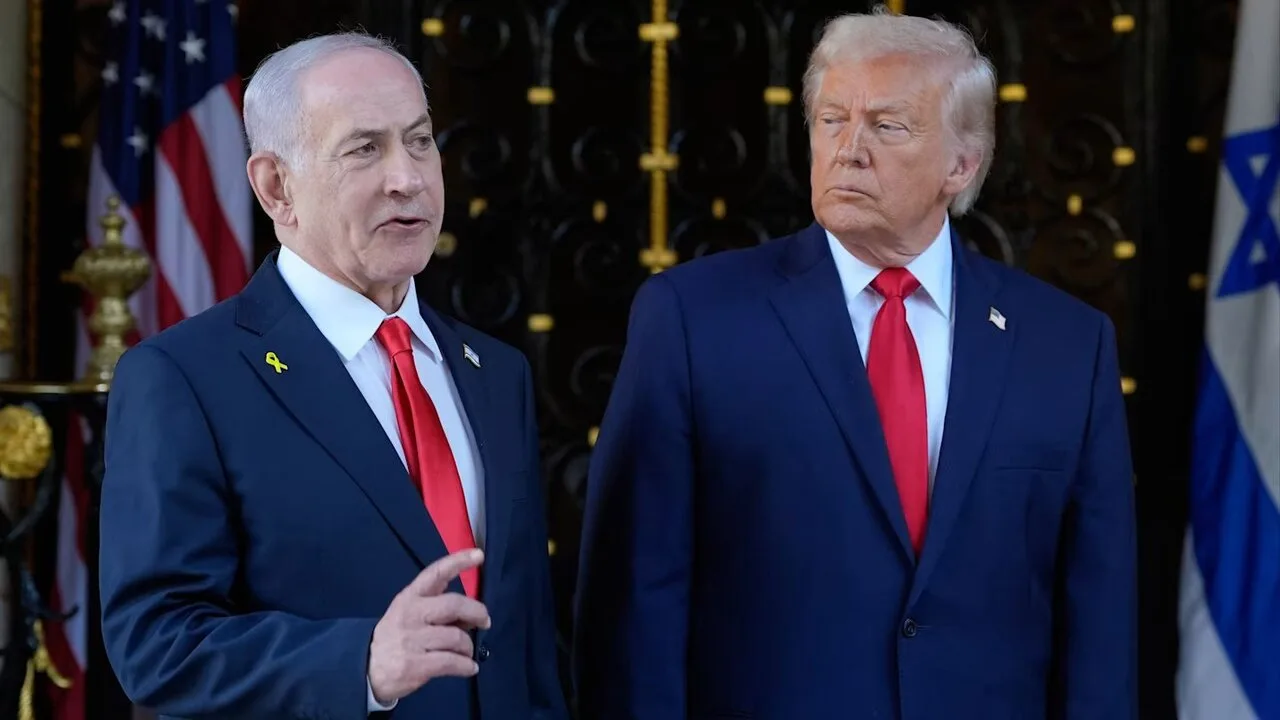
The government of Donald Trump, the President of the United States, is facing new challenges in foreign policy, especially regarding Iran. The heavy defeat of the Republicans in the midterm elections has forced Trump to carefully consider the options before him. After a meeting with national security advisors, he announced that he would soon make a decision regarding the resumption of extensive attacks on Iran.
Complexity of Trump's Options
While The New York Times has pointed to the increasing complexity of these options, CNN warns that this electoral defeat may lead to an agreement with the Islamic Republic or even an escalation of conflicts. In this context, Trump has three options: resuming military operations, continuing the naval blockade and economic pressure, or reaching an agreement that requires concessions to Iran.
Read more: Disputes Among Gulf Countries Regarding the Future of Iran and Regional Security
Diplomatic and Military Efforts
Amid these developments, Qatari mediators are working to bring the two countries to an agreement on a two-phase plan. This plan includes lifting the naval blockade and inviting inspectors from the International Atomic Energy Agency to visit the bombed Iranian facilities. On the second day of this plan, the Strait of Hormuz is set to be reopened and nuclear negotiations focusing on Iran's enriched uranium reserves will resume.
On the other hand, CENTCOM (U.S. Central Command) is completing preparations for a potential new operation, but has not yet received new orders to commence attacks. Meanwhile, the aircraft carrier strike group Theodore Roosevelt, which has been deployed to the Middle East, will stop in Singapore before entering the region.
Reactions to Electoral Defeat
Analysts believe that the Republicans' defeat does not necessarily mean a reduced risk of war with Iran. Officials of the Islamic Republic view this defeat as a sign of the success of their strategy in imposing economic and political costs on the U.S. Ali Vaez from the International Crisis Group has pointed out that the war with Iran has now become a political burden for Trump, placing him between two options: reaching an agreement that he can present as a victory or escalating military operations to regain the initiative.
JD Vance's Position
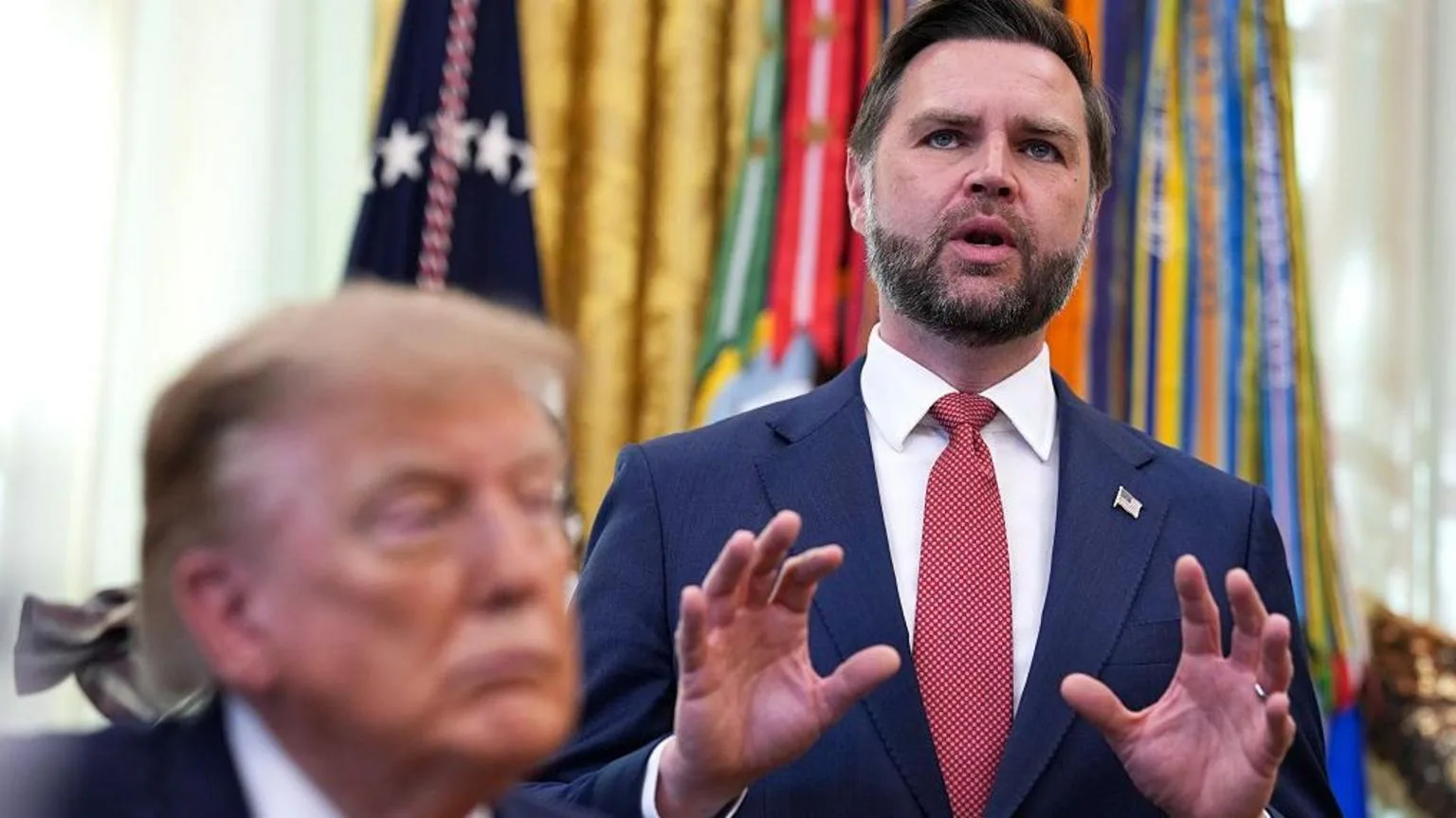
JD Vance, the Vice President of the United States, has taken an unprecedented stance after the Republicans' defeat, identifying the war with Iran as the main cause of the party's failure. He emphasized that any serious discussion about the future of the party must begin with this reality. This position contrasts with Trump's defense of his decision to initiate the war. Vance now faces a difficult equation: on one hand, he is the Vice President and a member of the government that started this war, and on the other hand, he is recognized as one of the main candidates for the Republican nomination in the 2028 presidential election.
While Trump has not yet announced his final decision regarding new attacks, Vance is trying to form a new coalition of dissatisfied Trump supporters for the 2028 election, bringing together Republican voters unhappy with foreign wars and rising living costs under the slogan "America First."
Read more: Sergey Lavrov and Iran-Russia Cooperation Amid Sanctions · Democrats' Victory and Its Impact on the Future of Iran