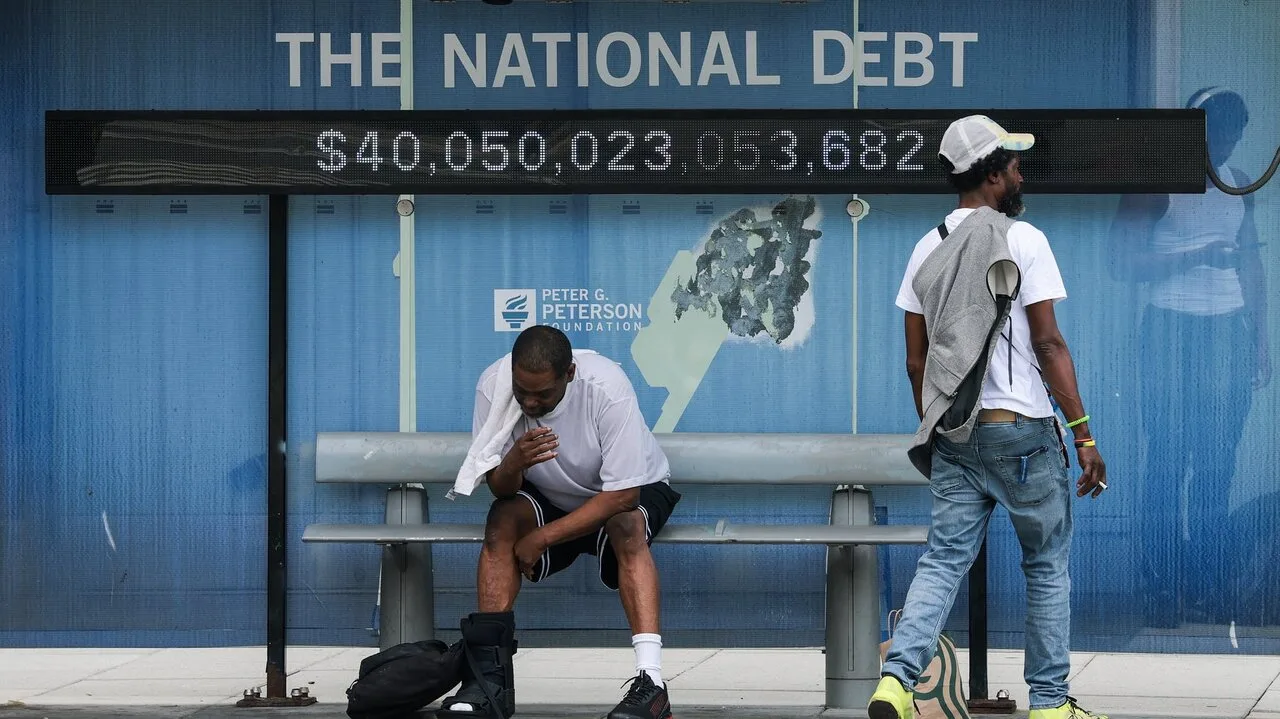
The Trump administration is facing a major challenge; the national debt of the United States has reached the threshold of $40 trillion, and this figure has not only increased economic concerns but could also have profound effects on the daily lives of citizens. This debt is seen as a sign of an economic crisis, placing heavier costs on ordinary citizens.
Consequences of Rising National Debt
The growth of the national debt to $40 trillion has intensified concerns about rising borrowing costs. This could mean higher interest rates and consequently, increased loan costs for citizens. Many experts believe that this trend could lead to slower economic growth, which in turn would affect the quality of public services.
Read more: Ehsan Masoudi: Delivery of 90,000 government housing units in the fourteenth administration
Continued Inflation and Declining Public Services
As debt increases, inflation also becomes a serious concern. The Trump administration is grappling with various economic crises while many people are facing serious challenges in meeting their daily needs. If borrowing costs rise, this pressure on ordinary citizens will increase, impacting their daily lives.
On the other hand, the decline in the quality of public services could also be another consequence of this crisis. With rising debt, the government may be forced to reduce the provision of public services such as healthcare, education, and public infrastructure. This issue could lead to increased public dissatisfaction and distrust in the government.
Responding to Economic Challenges
The Trump administration is trying to manage this crisis with its economic measures, but many analysts believe that fundamental changes in the country's financial policies are necessary. It should be noted that this national debt is not just a number, but a serious challenge for the country's economic future.
In these circumstances, American citizens are seeking solutions to alleviate economic pressure. Some of them have pointed to a lack of trust in the government and financial institutions, calling for greater transparency in economic policies. Perhaps this crisis presents an opportunity to reconsider the country's financial and economic system and allows the government to seek sustainable and long-term solutions instead of short-term reactions.
Read more: Hamid Reza Rastgar: The halt of mobile phone registration must be resolved as soon as possible · Increasing vouchers and wages is by no means inflationary