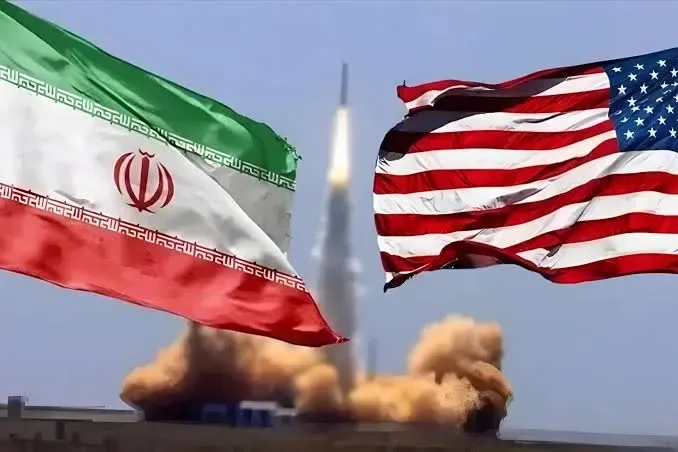
Iran today is at a sensitive stage where the war that began on March 1 has been a turning point in the relations of this country with the United States and Israel. As this war continues, many people are waiting for answers to important questions: "What will happen?" and "When will it happen?" These questions are not limited to the political sphere, but are also intertwined with the daily lives and family and economic decisions of the people.
The Impact of War on People's Daily Lives
Currently, merchants are hesitant about purchasing their goods for the next month, producers are worried about the future of the market, and families are in uncertainty regarding their financial planning. In this situation, the question "What will happen?" has become a serious issue and is somewhat dependent on the future of people's lives.
Read more: Mohammad Islami: The Atomic Revolution in Iranian Agriculture with Indigenous Technologies
Future Scenarios
Analysts believe that there are various scenarios for the future. The first scenario is negotiation and a phased agreement in which both sides realize that continuing the war will cost more than an agreement. In this case, negotiations could start with limited topics such as reducing tensions, maritime security, or nuclear issues.
The second scenario is a prolonged war and simultaneous negotiations. In this situation, the war does not completely stop, but diplomatic channels remain open. Both sides try to maintain military and political pressure while keeping the path for potential negotiations open.
The third and final scenario is a renewed escalation of conflicts. Whenever negotiations fail or a security misunderstanding occurs, a return to more intense conflict is likely. In this context, no one can say with certainty when the next war will begin, and predictions in this regard are more akin to guesswork.
The People and the Need for Stability
Amid all these scenarios, one important point has received less attention: the people of Iran need stability in this critical situation. They are not politicians and are not necessarily analysts of international issues. Many of them simply want to know if they can make decisions for their lives tomorrow or not. Their questions go beyond foreign policy and national security and relate to their daily needs.
In such circumstances, it is better to focus on what decisions need to be made and what the consequences will be for the people, rather than questioning the future. The fate of this crisis is not only dependent on the military or diplomatic capabilities of Iran, the United States, or Israel, but also on political and economic decisions and the social and regional situation.
Read more: Hojjatoleslam Mohammad Mohajer: The Strait of Hormuz is a Symbol of Iran's Strategic Capacities · Unveiling the Armenian Translation of the Book "The Heart's Blood that Turned to Ruby" at Yerevan State University