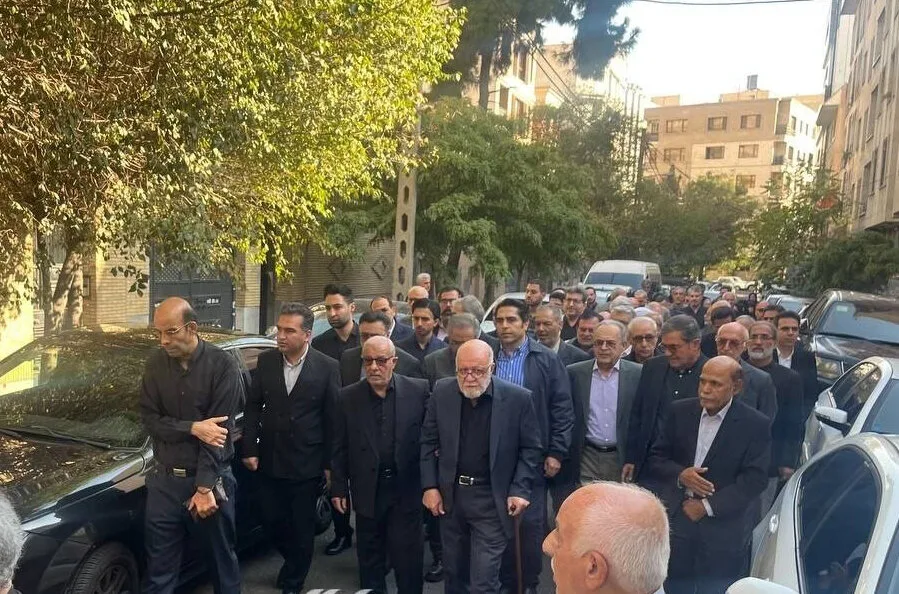
Mohammad Eslami, the head of the Atomic Energy Organization of Iran, recently announced remarkable advancements in agriculture using indigenous irradiation technologies. These technologies will play a crucial role, especially in pest control, increasing the shelf life of products, and reducing food spoilage. The development of such technologies can greatly contribute to improving food security and enhancing the quality of the country's agricultural products.
Modern Technologies and Their Benefits
Irradiation, as a modern method in agriculture, can effectively reduce microbial load, pests, and spoilage factors using controlled doses of radiation. This process helps maintain the quality and prolong the shelf life of food products. Among the advanced methods employed in this regard are plasma processing, microwaves, and accelerators.
Read more: Mohammad Eslami: We will not deliver uranium and will not abandon enrichment
Plasma processing uses ionized gas to reduce microbial contamination and enhance the shelf life of products. Additionally, microwaves assist in rapid heating and drying of products using electromagnetic waves and are effective in reducing certain microbial contaminations. Accelerators also have the capability to destroy pests and reduce microbes by producing high-energy radiation.
Gamma Irradiation Systems and Their Effects
Gamma irradiation systems, which have been developed locally in the country, are particularly effective in controlling pests and microbes, preventing sprouting, and reducing product spoilage. These technologies not only help increase the shelf life of products but can also pave the way for enhancing the export capacity of Iran's agricultural products.
Reducing food waste and improving product quality are among the key advantages of these technologies. Furthermore, these technologies can help ensure food security and address the existing challenges in Iran's agricultural industry. In today's world, where climate change and the growing needs of the population have become fundamental challenges, the development of such technologies in agriculture is considered a necessity.
Mohammad Eslami emphasized that by utilizing these modern technologies, greater productivity in agriculture can be achieved, thereby shaping a brighter future for Iran's agriculture.
Read more: Iran's weapon production has increased under the leadership of Mehrdad Akhlaghi · Iran's Foreign Ministry spokesman reacted to France's nuclear test