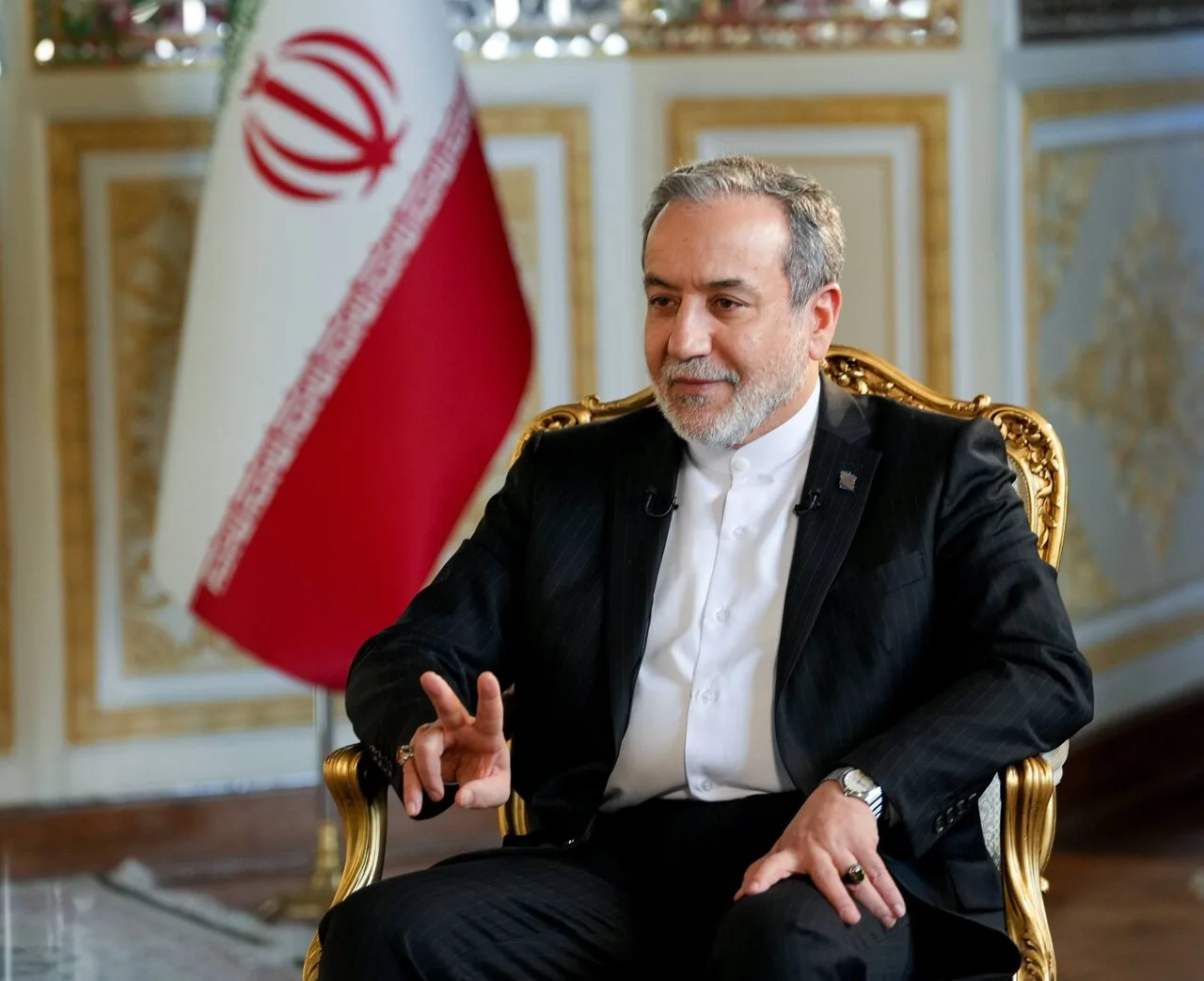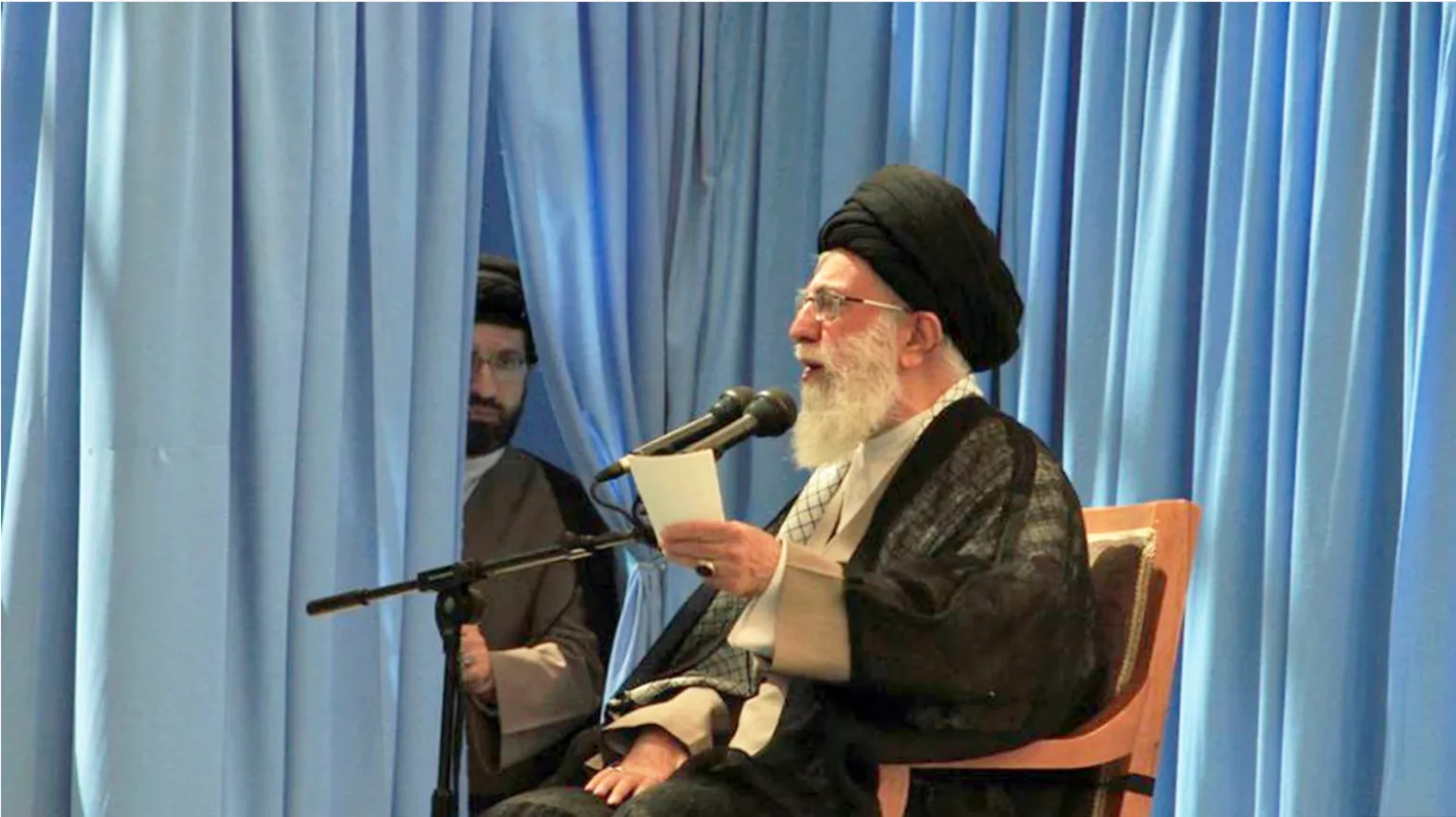
The will of Ali Khamenei, the second leader of the Islamic Republic of Iran, has still not been published seven months after his assassination. During this time, only an old and personal will of his, dated Farvardin 1342, has been made available. This situation applies not only to the will but also to the voice and image of his successor, and it seems that information related to the leadership remains shrouded in ambiguity.
Ambiguities Surrounding the Will
During this time, some officials and media have referred to theories about the destruction of the will during the bombing of Ali Khamenei's residence. For example, the newspaper Ettelaat spoke of the will being buried under rubble, and Alireza Zakani, the mayor of Tehran, mentioned the possibility of its destruction due to the loss of Khamenei's manuscripts and library. These narratives arise while the preservation of such an important document in places like his personal library seems rather implausible.
Read more: The Strait of Hormuz has become a strategic lever for Iran
History of Wills and Their Consequences
Curiosity about Ali Khamenei's will does not in itself indicate a fundamental change in the government. Because even if it is published, its impact will depend on the narratives of the rulers regarding the text. For instance, immediately after the death of Ruhollah Khomeini, government officials, despite the emphases in his will, ignored many of his recommendations and faced no issues.
Khomeini's will included many accounts of the situation in Iran and the world and past history, but at the same time, it contained specific governmental recommendations. One of the most important of these recommendations was the absolute prohibition of armed forces from entering political games. However, during the time of the new leader, the IRGC and Basij were recognized as the largest and most powerful political organizations in Iran and played an effective role in political and electoral competitions.
Wills can potentially be considered some of the most important governmental documents, especially when leaders remain in decision-making positions on sensitive issues throughout their lives. For example, Vladimir Lenin's will was only read in closed party sessions after his death, and its public release was prevented until it was published during the de-Stalinization period.
Ultimately, despite all the existing ambiguities, it seems difficult to imagine that Ali Khamenei had no political will. It is likely that power dynamics within the Islamic Republic have deemed the publication of his will not in their interest, and we may soon witness the unveiling of this document.
Read more: Hosseini Morashi and Mohammad Javad Zarif; Debate over Survival and Tactical Retreat in Iran · Houthis: Continuing attacks on Saudi Arabia until the siege of Yemen is lifted