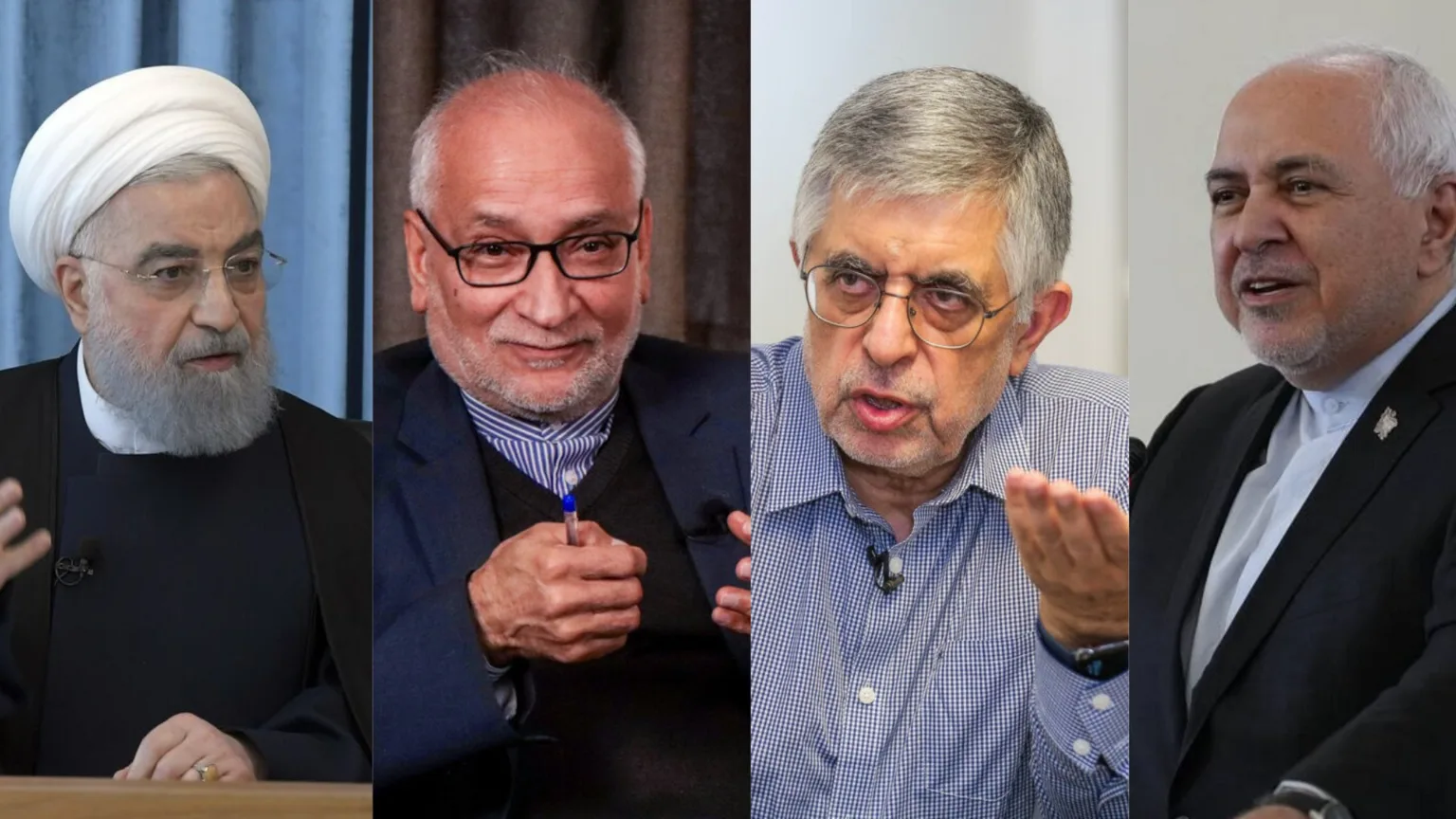
Hossein Marashi, the Secretary-General of the Executives of Construction Party, warned the country's officials that no risk should be accepted in light of the increasing tensions between Iran and the United States and concerns over the possibility of a new war. He believes that any negotiation and reconciliation, even if it means a 'tactical retreat', must be undertaken to preserve Iran.
Contrasting Opinions in Iranian Politics
In this context, another faction of political figures, particularly hardline conservatives, views any retreat as a sign of surrender to the United States. Hossein Shariatmadari, the editor-in-chief of Kayhan newspaper, has criticized Marashi and other moderate figures, labeling them as 'American ambassadors' in Iran. He described Marashi's statements as 'humiliating' and called for the prosecution of those who speak of a 'honorable peace'.
Read more: Jahangir Almasi: Reviving Public Participation with the 'I Am the Mayor' Plan
Meanwhile, Ahmad Alamolhoda, the Friday prayer leader of Mashhad, also welcomed the failure of diplomatic efforts and mediation in his recent Friday sermon, deeming these efforts as 'dealing with the murderer of our martyr Imam'.
Historical Experiences and the Necessity of Negotiation
Political figures like Mohammad Javad Zarif, former Foreign Minister of Iran, believe that the current situation in Iran is very similar to the Qajar era. He emphasized at the unveiling of his books that if necessary, Iran should accept an agreement similar to the 'Turkmenchay Treaty'. He noted, 'Survival is the first priority of any living being. When the existence of the country is at risk, you seek survival.'
Gholamhossein Karbaschi, another political figure, also compared the current situation to the Qajar era and stressed that war must be prevented at all costs. He recalled the acceptance of Resolution 598 during the Iran-Iraq war as an example of difficult but necessary decisions in times of crisis.
These positions contrast with the hardliners' view, who interpret any reference to the Turkmenchay Treaty as a sign of surrender and weakness. Hossein Shariatmadari wrote in this regard that Zarif's statements indicate surrender to the enemy and believes that the Islamic Republic of Iran has emerged victorious in its conflict with the United States.
Ultimately, this debate between the two political factions in Iran will not only influence diplomatic strategies but also impact the fate and future of the country. The future of Iran lies in the hands of current decision-makers who must find a way to preserve the country and its people in the current crisis.
Read more: Meeting of Hossein Amirabdollahian and Fuad Hussein in Baghdad · Manouchehr Mottaki Elected as Head of Iran's Parliamentary Delegation to the Inter-Parliamentary Union