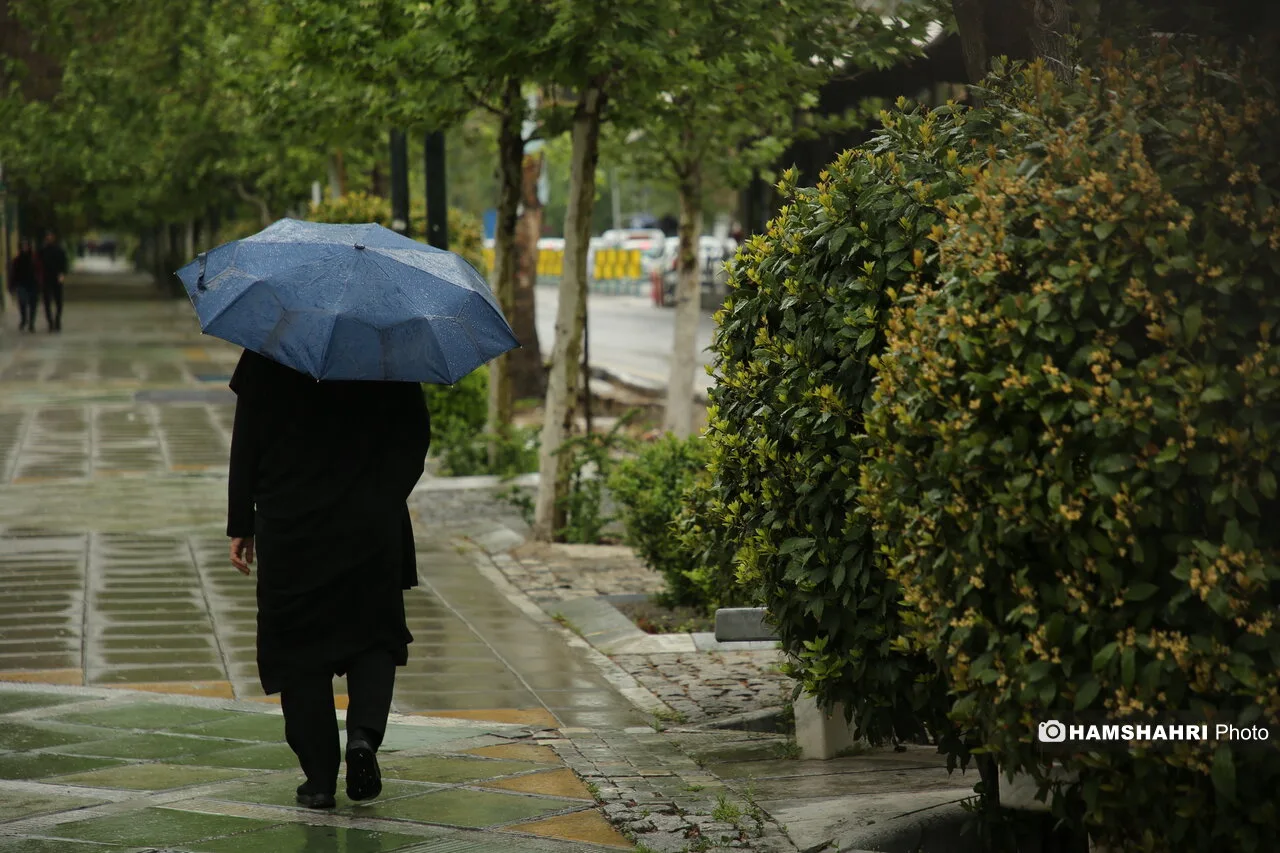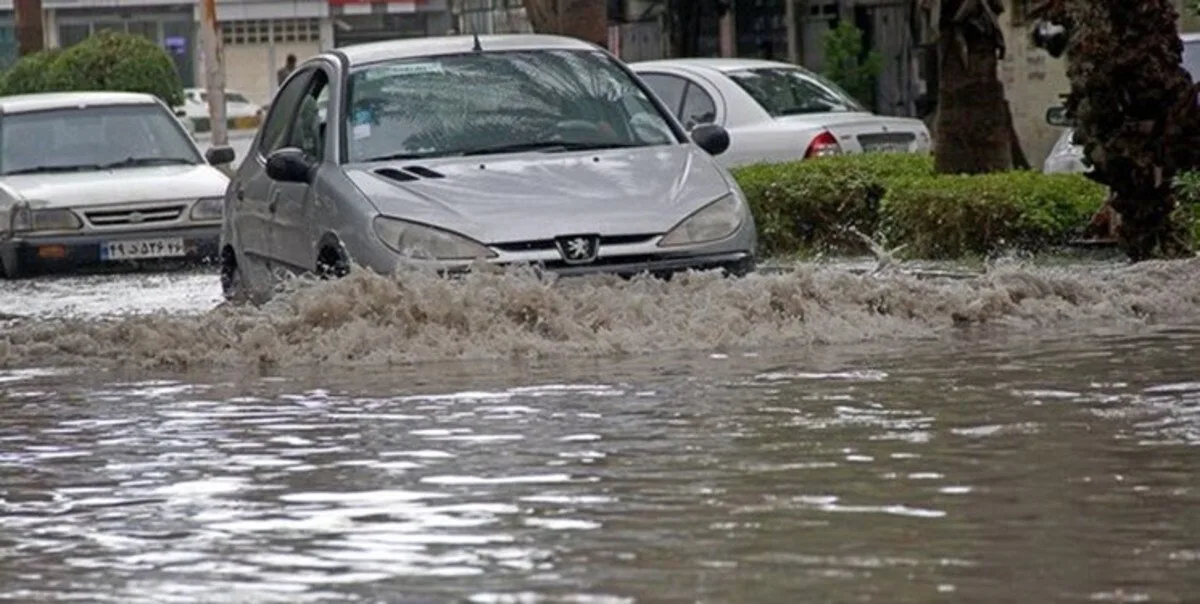
The story of Azimieh in Karaj has become one of the hot news topics these days. In this context, experts have been examining the impact of the climatic phenomena of El Niño and La Niña on autumn rainfall in Iran. These phenomena are recognized as key factors in changing weather patterns, but can they really change the fate of rainfall?
El Niño and La Niña Phenomena
El Niño and La Niña are two climatic phenomena that form in the Pacific Ocean and have widespread effects on the Earth's atmosphere. While El Niño leads to the warming of Atlantic Ocean waters and can bring heavy rainfall and temperature changes, La Niña results in the cooling of these waters and consequently leads to droughts and reduced rainfall. Experts believe that both phenomena can influence Iran's rainfall patterns, but these effects are not easily predictable.
Weather Forecasts and Uncertainties
Seasonal forecasts provided by meteorological organizations mainly refer to the likelihood of weather conditions and cannot guarantee certainty. This means that the prediction of autumn rainfall in Iran cannot be definitively attributed to El Niño or La Niña. Weather conditions depend on multiple factors, and the effects of these phenomena may vary in different regions of Iran.
Furthermore, historical background shows that El Niño and La Niña may cause heavy rainfall in some years and droughts in others. This unpredictability poses serious challenges for officials and farmers in Iran. Especially in a country where a significant portion of its economy relies on agriculture, weather changes can have substantial economic and social consequences.
Therefore, while El Niño and La Niña are recognized as important factors in weather changes, it should not be forgotten that weather conditions are also influenced by other factors, and more detailed studies are needed for managing water and agricultural resources.
Read more: Caspian coastal countries have taken action to revive the sea · Aref: International disputes should be resolved through dialogue