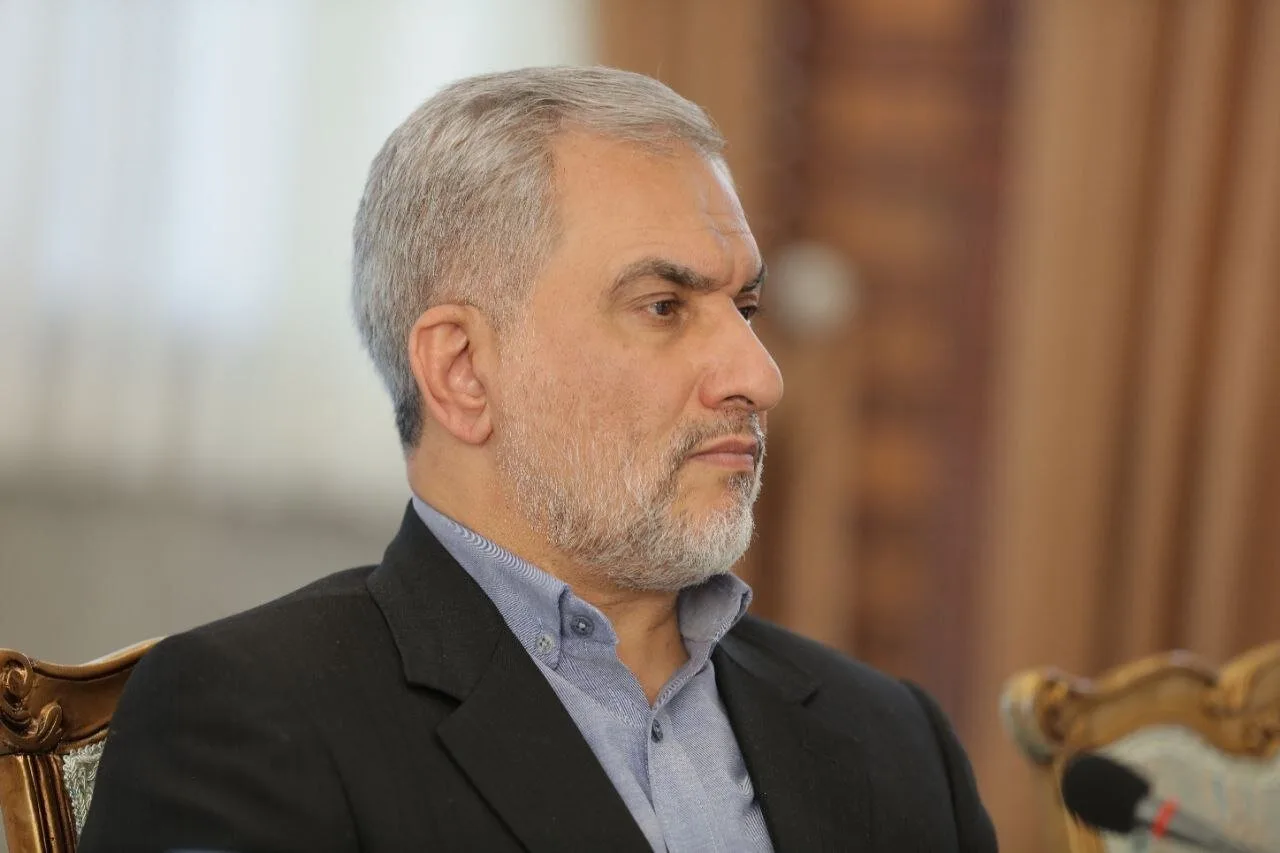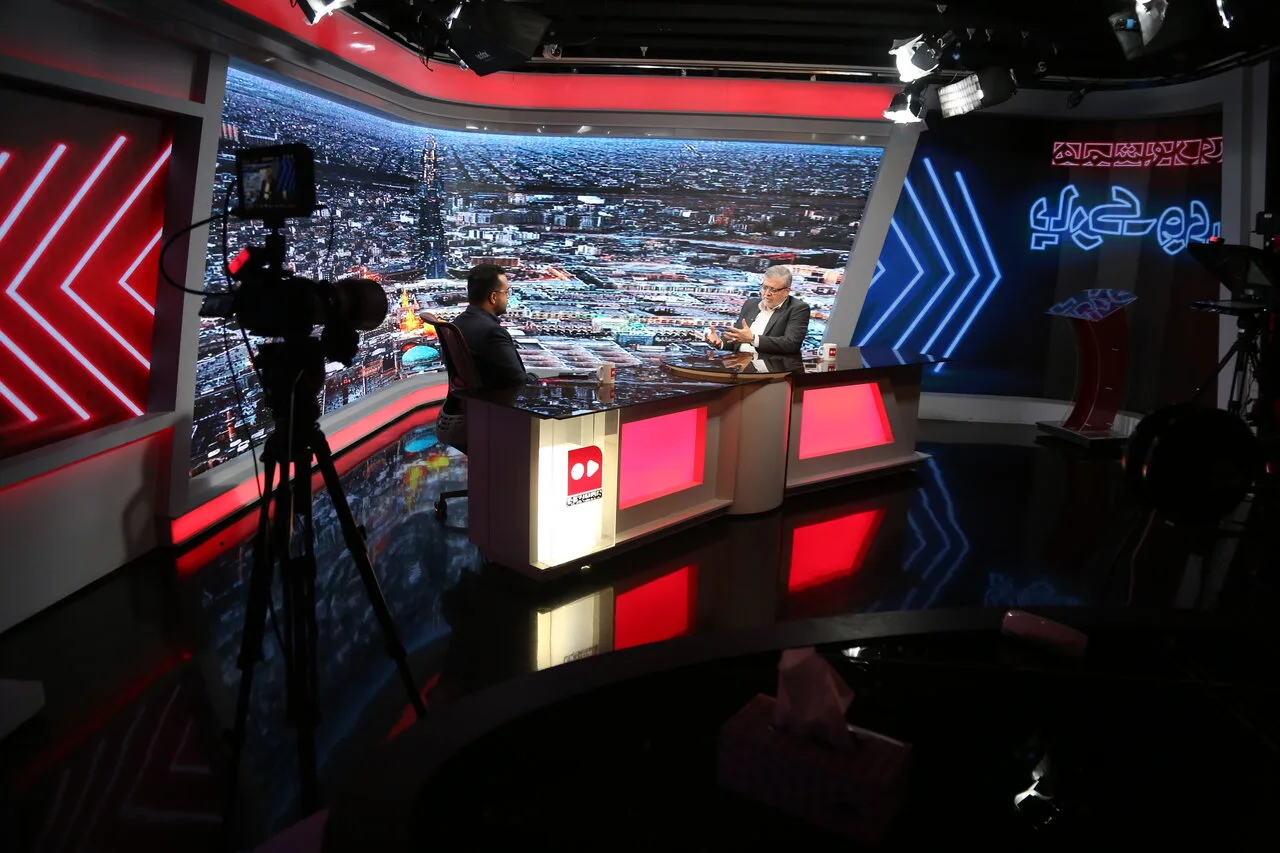
Mohammad Reza Gholandarsharif, the mayor of Mashhad, spoke in an intimate interview about the future of this metropolis and the challenges facing urban development. Mashhad, as the second largest city in Iran and the spiritual capital of the country, faces challenges such as traffic and air pollution, and Gholandarsharif emphasized that "we do not want Mashhad to become a second Tehran."
Challenges and Red Lines of Urban Development
Gholandarsharif pointed out that since taking office on May 7, 2023, he has defined several red lines for urban management, highlighting the importance of the environment. He stressed that in every project, including transportation and green spaces, environmental impacts must be considered. The safety of citizens and the cleanliness of the city are also among his other red lines that are taken into account in development plans.
Read more: Conditions for obtaining a motorcycle license from the age of 16 have been announced
The mayor of Mashhad believes that the existential philosophy of this metropolis is different from other cities in Iran and the world, referring to its deep connection with the holy shrine of Imam Reza. He emphasized that Mashhad must stay away from the challenges that Tehran faces and stressed the necessity of preserving the identity and unique characteristics of this city.
Transformation in Public Transportation
Gholandarsharif also considered public transportation as one of the main priorities of urban management and announced the introduction of 410 new buses into Mashhad's transportation lines. He added that a contract for 300 more buses has also been signed, and efforts to purchase another 100 buses are underway. These actions have placed Mashhad first in the country in terms of the population-to-bus ratio.
He also referred to the metro project, stating: "The metro is one of the heaviest projects in the country," and the execution of the second phase of the third urban railway line in Mashhad has begun. This line, which is 30 kilometers long and costs over 250 trillion rials, is recognized as the most important urban railway line for pilgrimage.
Considering that most intercity travelers come to Mashhad by bus, Gholandarsharif emphasized that the metro can help facilitate the movement of pilgrims during peak traffic times. He also mentioned the economic benefits and reduction of air pollution resulting from the development of metro lines, stating: "Mashhad has the cheapest public transportation in the country."
Pilgrim-Centric and Citizen-Centric Projects
In response to criticisms that sometimes prioritize pilgrims, Gholandarsharif emphasized that in urban management, the comfort and safety of Mashhad citizens are also a priority, and pilgrim-centric projects must be designed with the needs of citizens in mind. He stated that the goal is for the development of Mashhad to be beneficial for both pilgrims and citizens.
Given the existing challenges and ongoing programs, it can be said that Mashhad is on a path of sustainable and balanced development, and the efforts of the mayor of Mashhad can help preserve the identity of this metropolis and prevent it from becoming a second Tehran.
Read more: Iran has sent its latest proposal for an agreement · Urban development in Tehran; from organizing hazardous buildings to 89% progress in construction projects