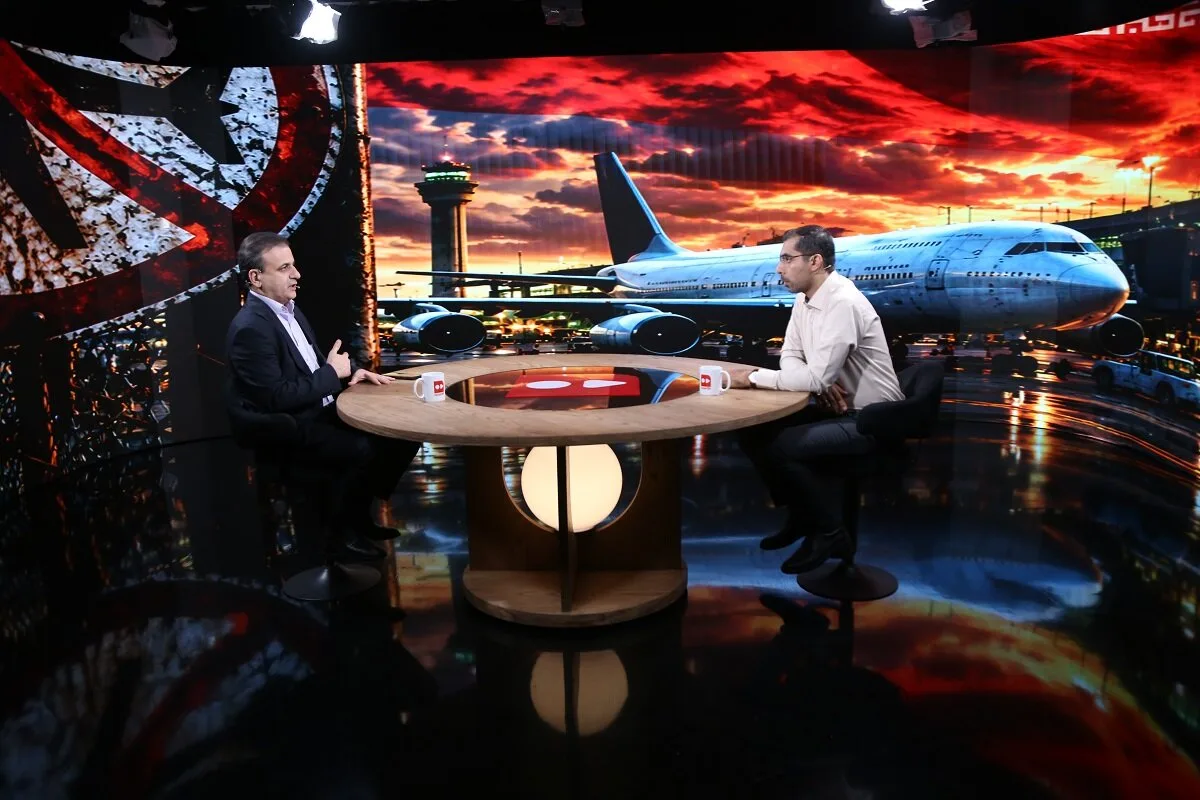
Kambiz Mirkarimi, a member of the board of the Iran-Russia Joint Chamber of Commerce, discussed the effects of air sanctions on Iran's trade in a television program. He pointed out the country's geographical position and its advantages, explaining that air transport has never had a decisive share in the movement of commercial goods, but in critical times like the pandemic and economic wars, this method has become one of the most important routes for transferring medicine and pharmaceutical materials to the country.
Challenges of Sanctions and Rising Trade Costs
Mirkarimi further stated that air sanctions directly increase transportation and goods transfer costs. However, he referred to the existing capacities for utilizing alternative routes and said: "Having multiple land and sea borders makes a complete blockade of the country difficult."
Read more: Iran's Wallet for Government Employees Will Soon Be Charged
He also added that the country's trade volume is at 270 million tons, while air transport can only move less than 500,000 tons of goods. This means that air transport alone cannot impact the entire economy, but businesses dependent on this method, such as tourism and some importers, are facing serious challenges.
Developing Trade Relations with Russia and New Opportunities
Mirkarimi referred to the development of Iran-Russia relations since 2018 and 2019, emphasizing that the sanctions on Russia following the Ukraine war and Iran's free trade agreement with the Eurasian Economic Union have helped strengthen trade relations between the two countries. He stated that Iran's exports to Russia have significantly increased in recent years, reaching 2.3 billion dollars at certain points.
This board member of the Iran-Russia Joint Chamber of Commerce noted that trade growth does not necessarily mean readiness of infrastructure, and for trade development, there is a need to improve transportation, loading facilities, and the storage of perishable goods. He also mentioned customs problems and the related formalities in trade, saying: "In some cases, goods are delayed due to the multitude of permits and clearance stages."
Mirkarimi said that Iran's land borders have the capacity to respond to part of the increased exchanges, but transferring the entire volume of maritime trade to these routes is not feasible with the current infrastructure. He emphasized that developing infrastructure on both sides of the border, transportation fleets, and overcoming administrative obstacles are essential for international trade.
In conclusion, Mirkarimi also referred to issues related to currency and banking policies, stating: "Despite banking relations between Iran and Russia, settlement problems persist, and some exporters have suffered due to rate differences."
Read more: Abbas Basafa: Emergency Fuel Cards Increase Transparency with Bank Cards · Deputy Minister of Oil: We Respond to America's Threats Against Energy Facilities