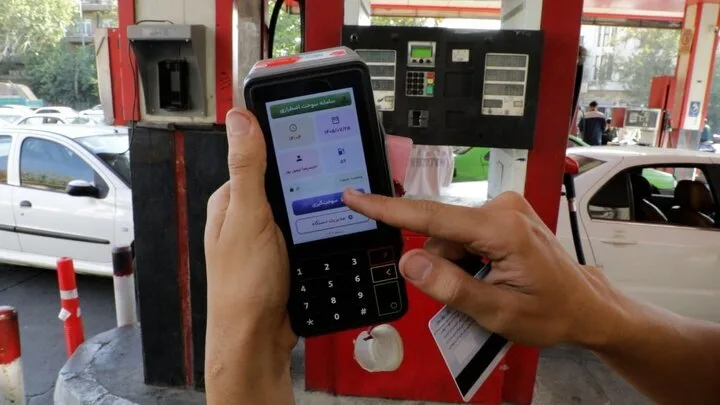
Abbas Basafa, the Director of the National Smart Fuel System, announced the start of the implementation of the emergency fuel card identification project at 54 selected stations in Tehran. This project is designed to increase refueling speed and reduce the oversight of station operators.
Details of the Project Implementation
With the implementation of this project, applicants can refuel without intermediaries by placing their personal bank card in the card reader (POS) and after authentication. Basafa emphasized that this method is designed to create transparency in identity and location data and helps optimize fuel consumption management.
Read more: Decrease in Car Prices in the Iranian Market with Dollar Decreasing Signals
He also referred to the history of using emergency cards in the past and said: "These cards were placed in limited numbers at stations to prevent refueling problems for individuals who had forgotten their smart card. However, in recent years, the misuse of these cards has increased."
Challenges Ahead
Basafa further mentioned the initial challenges of implementing the project and said: "One of the most important challenges has been the issue of prepayment. Some individuals faced difficulties refueling because the cost had to be paid before refueling. This issue caused concern and protests among the people."
He added: "Now the process has changed in such a way that users first receive a token, then refueling is done, and finally, the cost is paid based on the amount of fuel taken. This change has helped reduce time and improve user experience."
The Director of the National Smart Fuel System explained the 1000 Toman fee that is deducted in this process: "This fee is not deposited into the National Oil Products Distribution Company’s account, but rather relates to the companies providing the services. This amount only covers part of the maintenance and support costs of the services."
Basafa concluded by announcing the launch of this project at 180 stations and efforts to expand it throughout the city of Tehran, emphasizing that the project will soon be extended to other metropolitan areas as well.
Read more: Mohammad Amin Tokalizadeh: Tehran Municipality Helps Boost Production and Employment · Tehran Municipality Helps People's Livelihoods with Zero Inflation Plan