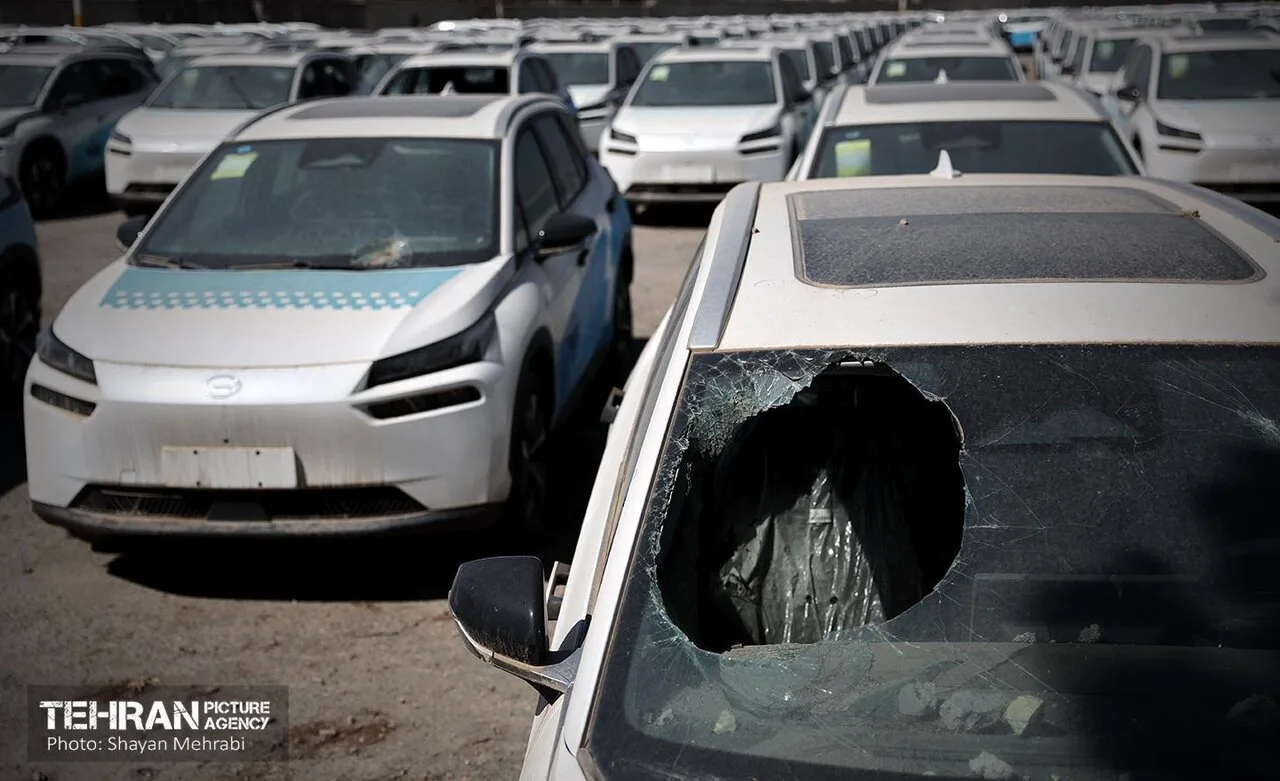
Tehran taxi drivers are confronted with a new challenge; 370 Ion vehicles remain in parking lots in uncertainty, adding to their financial and operational problems. In the 439th session of the Islamic City Council of Tehran, Mohammad Akhundi, the head of the Planning and Budget Commission, emphasized the need to resolve issues related to value-added tax in light of the financial costs and revenues.
Financial Challenges and Fleet Renewal
Ahmad Sadeghi, a member of the Planning and Budget Commission, requested the Taxi Organization to provide detailed reasons for the favorable and unfavorable revenues and expenses incurred. Ali Rahimi, the CEO of the Taxi Management and Supervision Organization, pointed to the rise in car prices, stating: "The price of Samand, which was previously 700 million tomans, has now exceeded two billion tomans. This increase in prices has prevented the delivery of 70 purchased vehicles."
Read more: Inauguration of the Overpass Route of Imam Khomeini Highway with the Presence of City Officials
Rahimi also announced that 370 Ion vehicles remain in parking lots. He explained: "Of this number, 170 vehicles were damaged in the war and their damages need to be compensated. 200 other vehicles are also in the process of being resolved." This uncertainty has exacerbated the daily concerns of drivers, placing them in a difficult economic situation.
Impact of Rising Car Prices on Drivers
Seyed Jafar Tashakkori Hashemi, the head of the Urban Development and Transportation Commission of the Islamic City Council of Tehran, stated that over 60% of the taxi fleet is at the end of its lifespan. He continued: "With the continuous rise in car prices, which shows no signs of stopping, drivers are facing serious financial problems." He also mentioned a 42% increase in taxi fares, adding: "This increase is not sufficient, and it needs to be planned in a way that helps drivers while ensuring the community can afford it."
At the end of this session, Mahdi Aghalariyan, the head of the Legal Committee of the council, emphasized the need to reform the transportation development model in the taxi sector, stating: "We must utilize the capabilities of the private sector and create an environment of support and collaboration for the renewal of the taxi fleet. Otherwise, taxis will become a commodity that citizens cannot afford to use."
Rahimi also referred to the problems drivers face in obtaining bank facilities, stating: "Drivers are facing serious issues due to the lack of necessary guarantees for loans. We are committed to adhering to the law and will not allow vehicles that have removed their taxi labels to operate in the traffic plan."
Ultimately, the daily challenges faced by Tehran taxi drivers due to rising car prices, uncertainty in the delivery of new vehicles, and financial inability to renew the fleet require serious attention and action from city officials. This situation not only affects the lives of drivers but also impacts the quality of services provided to citizens.
Read more: Mehrdad Akhlaqi: Proposed Minister of Defense Takes on Service Against Complex Threats · Increase in Price of Peugeot 207 and Quick S to 1 Billion and 600 Million Tomans