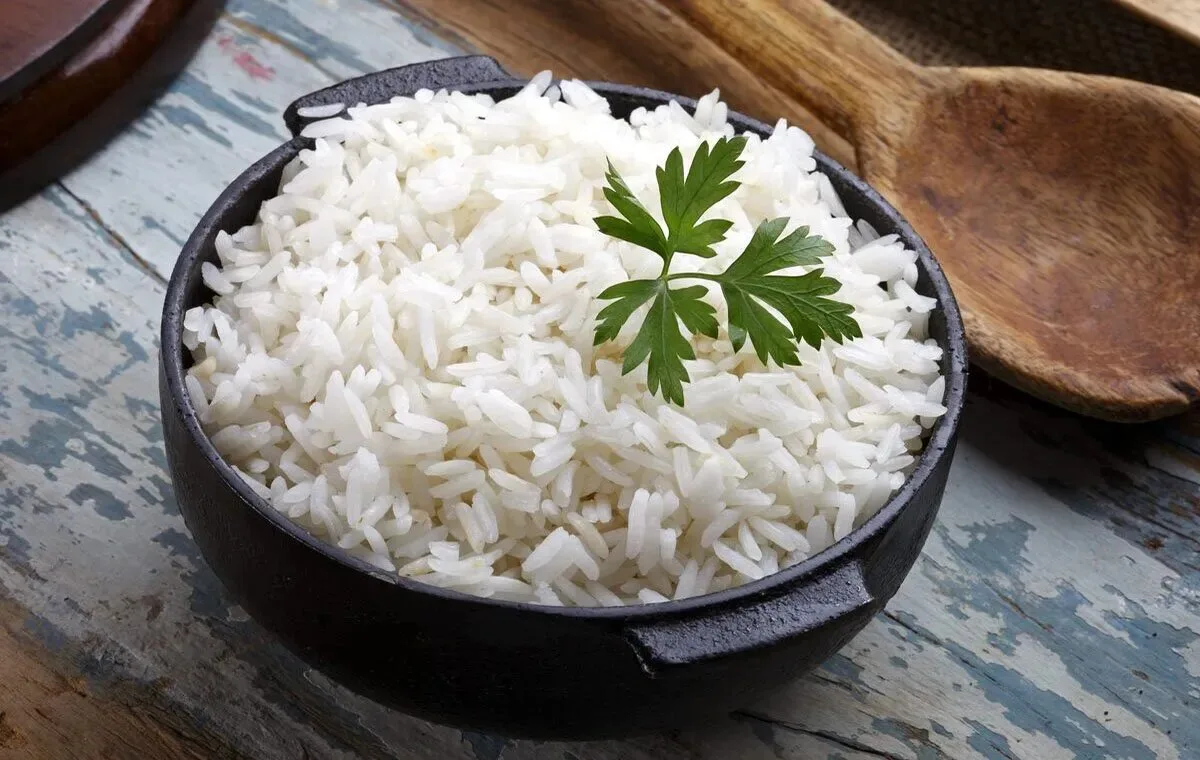
Rice is one of the main staples in Iranian households and is recognized as a rich source of carbohydrates. However, this food product may contain chemical contaminants and anti-nutritional compounds that can affect consumer health. Therefore, paying attention to proper rice preparation methods before cooking is essential.
The Role of Soaking in Reducing Contamination
Soaking rice is one of the simple methods that can help reduce the levels of arsenic and other contaminants present in it. Studies show that soaking rice for one night or at least three to four hours can reduce the arsenic content by up to 80 percent. For this purpose, it is better to soak one cup of rice in six cups of water and discard the water after soaking.
Read more: Symptoms of Brain Tumor and Its Warning Signs
Using fresh water for soaking and changing it during the soaking period can also help increase the removal of water-soluble compounds. However, it should be noted that this method cannot completely eliminate heavy metals, and the extent of contamination reduction depends on the type of rice and preparation conditions.
Contamination from Pesticides and Anti-Nutritional Compounds
The use of pesticides in agriculture raises concerns about the residues of these substances remaining in crops, including rice. In some studies, proper washing of rice has managed to reduce pesticide residues by between 12 to 88 percent. Of course, the extent of reduction varies depending on the type of pesticide and its chemical characteristics.
In addition to pesticides, rice may contain anti-nutritional compounds such as phytic acid, which can affect nutrient absorption. Soaking rice can also help reduce these compounds, although the extent of reduction depends on the type of compound and the soaking duration. Additionally, soaking can help separate some of the surface starch from the grains and affect cooking characteristics.
Ultimately, soaking and properly washing rice before cooking is a simple and effective method for reducing some of its potential contaminants. However, this method is not a substitute for producing healthy products and adhering to food safety standards, and it should be considered as part of a comprehensive program for maintaining health.
Read more: Ahmad Gharebaghian: Need for More Blood in Tehran and Sistan and Baluchestan · Isfahan, the Most Polluted Point in Iran with a Critical Air Quality Situation