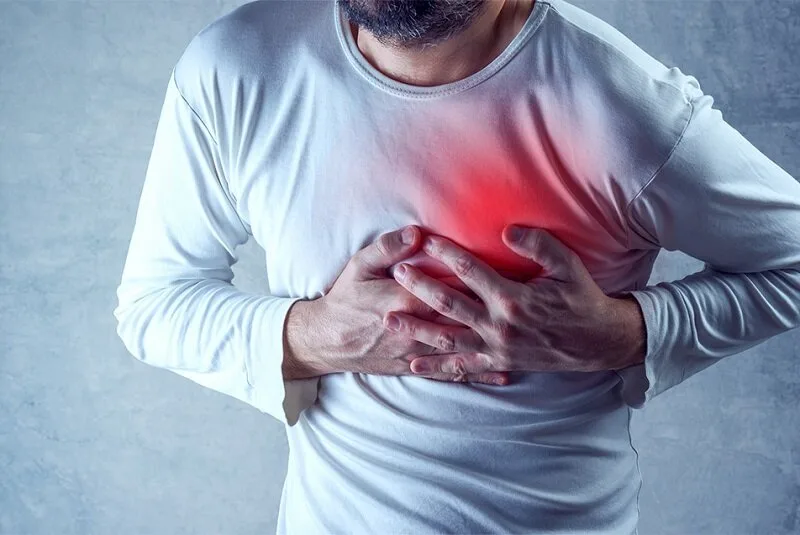
Shoulder pain may be related to muscular, joint, or tendon issues, but in some cases, it can be a sign of a heart attack. Distinguishing between these two conditions based solely on the location of the pain is not possible, and paying attention to accompanying symptoms is very important.
Warning Signs of a Heart Attack
When blood flow to a part of the heart muscle decreases or is blocked, pain may be felt not only in the chest but also in the shoulder, arm, back, neck, or jaw. This pain can sometimes occur without obvious discomfort in the chest. Not every type of shoulder pain indicates a heart problem, but the novelty of the pain, its intensity, and its persistence or association with other symptoms can be significant in diagnosis.
Read more: 10,000 cholera test kits sent to Iran by the World Health Organization
Correct Diagnosis and Necessary Actions
A heart attack may be accompanied by one or more of the following symptoms: shortness of breath, cold sweat, nausea, or chest discomfort. It should be noted that a heart attack is not always associated with severe and sudden chest pain, and sometimes its signs are mild or unusual. Pain resulting from shoulder movement or pressure may be more indicative of a muscular or joint issue, but this characteristic alone does not rule out a heart attack.
If the shoulder pain is new and unusual, especially if accompanied by shortness of breath, cold sweat, nausea, or chest discomfort, do not wait to determine the cause. In such situations, call emergency services immediately and avoid driving. Stop any activity and rest in a comfortable position until help arrives.
Aspirin may be recommended as first aid in some cases, but it is not suitable for everyone. Consult the emergency operator for guidance on this matter and do not delay calling emergency services for medication. If the person is unconscious and not breathing normally, begin resuscitation according to the operator's instructions.
Diagnosing a heart attack requires medical evaluation and tests such as an electrocardiogram and blood tests; therefore, conclusions about the cause cannot be drawn solely based on the intensity or location of the pain. This information is not a substitute for a doctor's diagnosis and advice.
Read more: The Cancer Patient Support Association of Ramsar has established an independent office · Over 10,000 graduates of Tehran University of Medical Sciences have emigrated