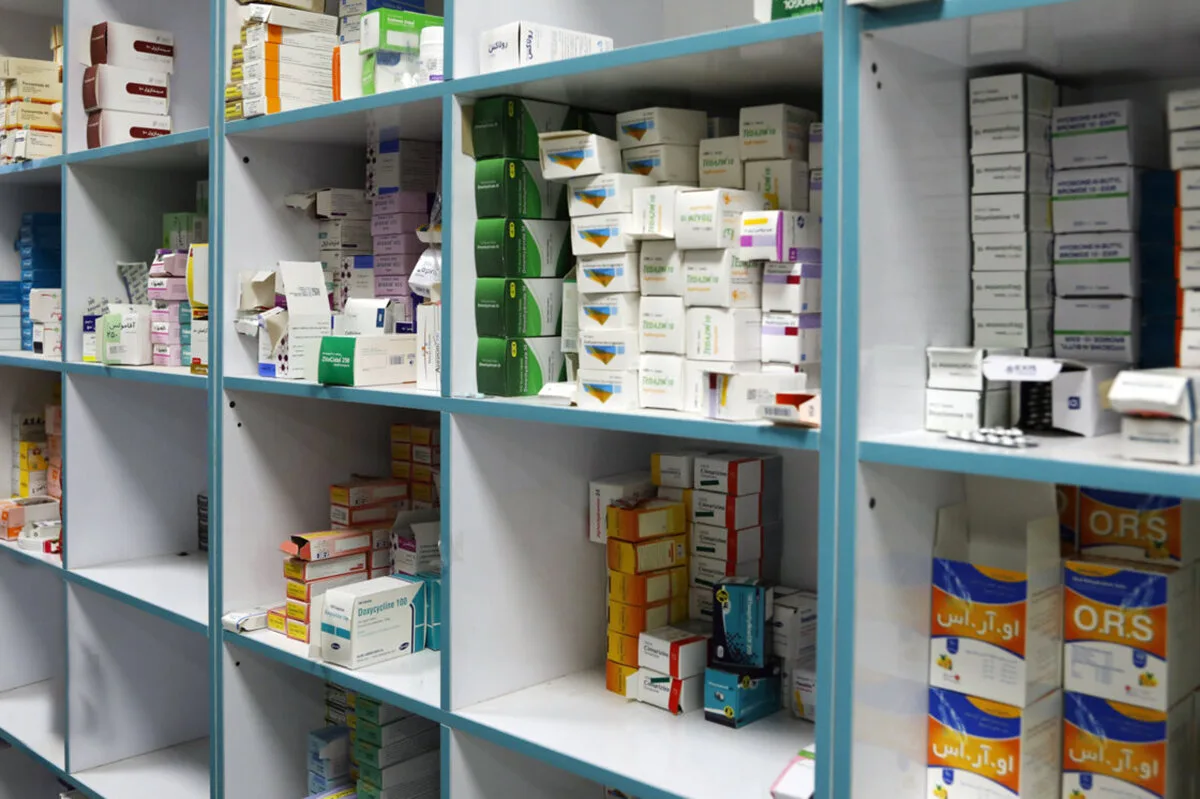
The recent sending of 10,000 rapid cholera test kits to the Iranian Ministry of Health has been carried out by the World Health Organization. These kits will be distributed in four provinces: Hormozgan, Kerman, Sistan and Baluchestan, and Khuzestan. The aim of this action is early detection of the disease and prevention of a potential cholera outbreak in high-risk areas.
No Concern About Cholera Outbreak
Alireza Raeisi, the Deputy Minister of Health, emphasized in an interview that there are currently no cases of cholera outbreak or epidemic in the country, and no reports of new problems in this regard have been received. He also added that the water health status in the country is completely under control and there are no issues in this regard.
Read more: David Gaff: Predicting Heart Health Risks with an ECG While Sleeping is Possible
Reasons for Choosing Provinces and Cooperation with the World Health Organization
Raeisi explained the reason for sending rapid cholera test kits, stating that in critical conditions, especially when infrastructure is damaged, the likelihood of water source contamination and the emergence of diseases such as diarrhea and cholera increases. For this reason, the World Health Organization takes action to provide and distribute diagnostic kits in such situations. He also mentioned the selection of the four provinces of Hormozgan, Kerman, Sistan and Baluchestan, and Khuzestan for the distribution of these kits, stating that this selection was based on environmental conditions and the prediction of potential risks.
The Deputy Minister of Health also referred to the ongoing collaborations between this ministry and the World Health Organization in providing diagnostic equipment, stating: "Kits for diagnosing diseases such as tuberculosis, malaria, and influenza are also among the items that are usually sourced from abroad." Given that the country is on the path to eliminating certain diseases, access to this equipment is of great importance.
Raeisi also spoke about the impact of war conditions and existing restrictions on the supply of diagnostic kits, vaccines, and medicines, saying: "The situation has really become difficult, but we have taken necessary actions and precautions in advance. In the health sector, we will have no problems in supplying vaccines, diagnostic kits, and medicines until the end of 2027."
In this context, Jan Jabbour, the representative of the World Health Organization in Iran, emphasized the importance of early detection of infectious diseases, stating that equipping local health systems with these kits enhances the capacity of frontline health workers for rapid response and protection of vulnerable communities.
Read more: Mahshid Nasiri: 15 Million People in Iran are Infected with Latent Tuberculosis · Tobacco Use in Schools; Concealment at the Expense of Students' Health