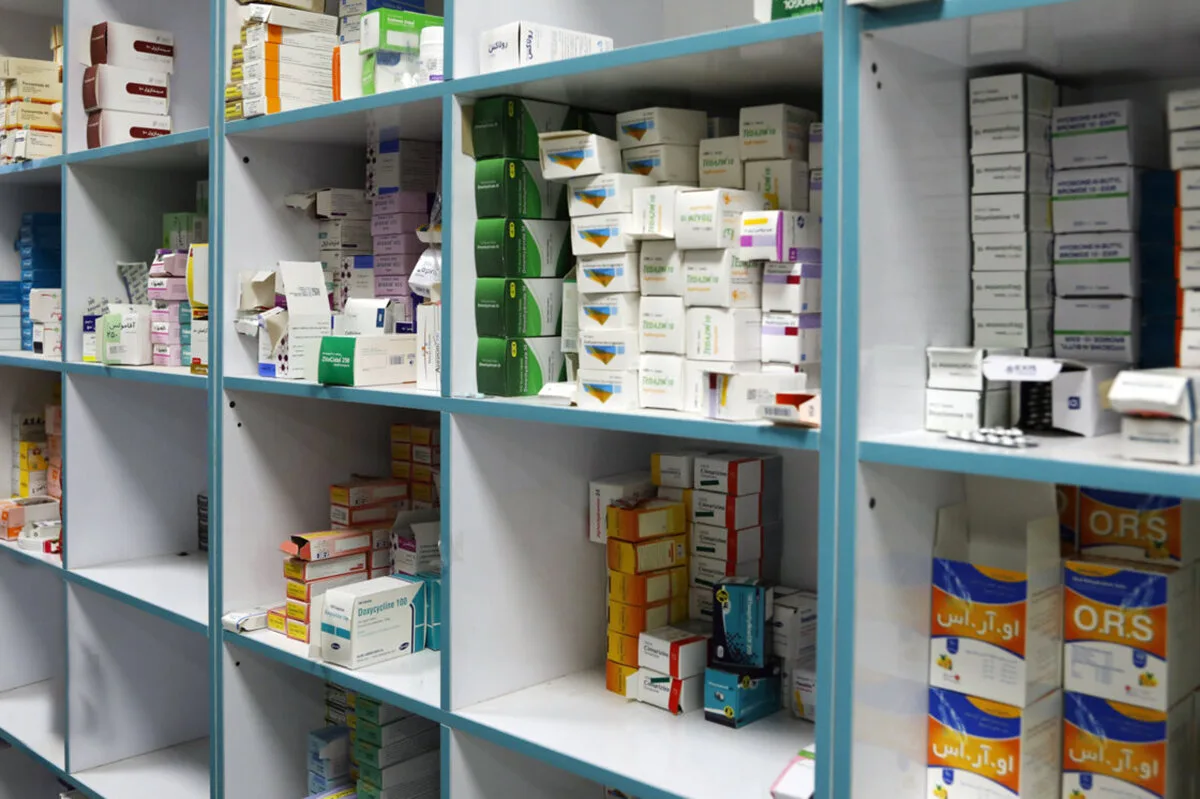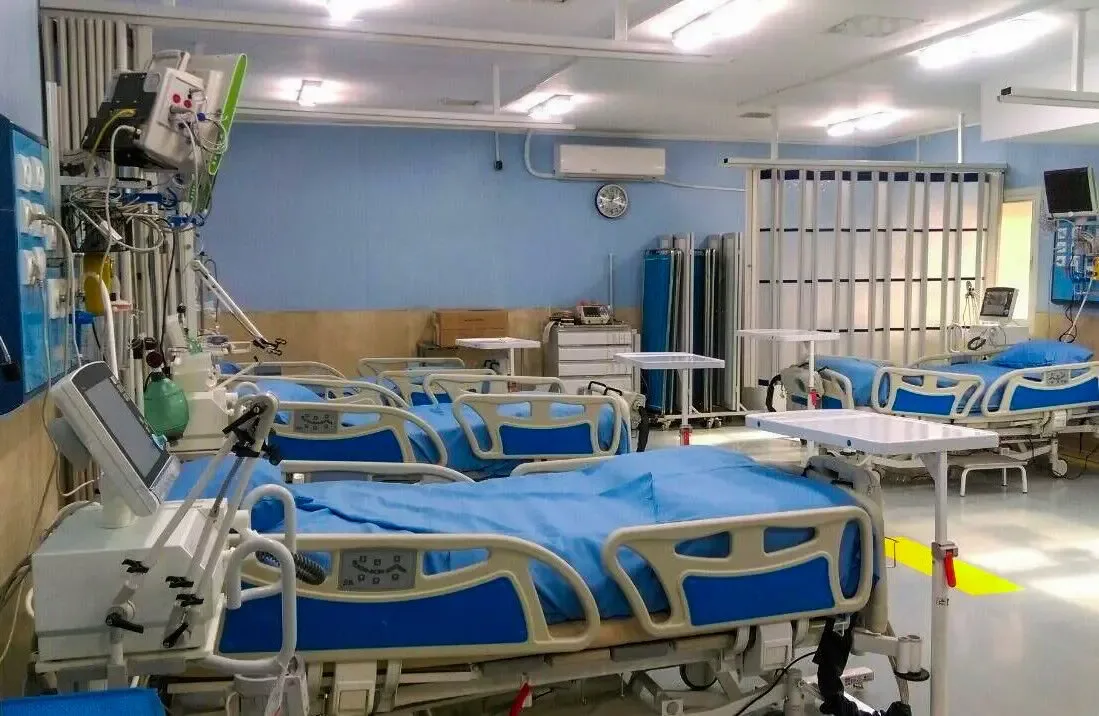
The shortage of hospital beds in the counties of Tehran province has become a serious issue. According to a new study, the number of active hospital beds in Tehran, the capital of Iran, significantly deviates from international standards, and this situation is much worse in the counties.
Global Standards in Healthcare Crisis
The World Health Organization recommends a minimum of 3 hospital beds per 1,000 people as a criterion for providing adequate healthcare services. The recent research indicates that this standard is met in Tehran, but the counties of Varamin, Shemiranat, Qarchak, Malard, Quds, Shahriar, Rey, Robat Karim, Damavand, Pishva, Pardis, Pakdasht, Baharestan, and Islamshahr are facing a serious shortage of hospital beds, with the number of active beds in these areas being below one bed per 1,000 people.
Read more: The World Health Organization warns about the spread of plague in Russia
Critical Situation of Burn and Intensive Care Beds
The situation of burn beds and intensive care units is even more concerning. Global standards recommend at least one burn bed for every 10,000 people. However, this number is only 0.14 across Tehran province and reaches zero in other counties. Additionally, the nurse-to-population ratio in none of the counties in Tehran meets the standard of 4 nurses per 1,000 people.
Another important health indicator is the number of doctors per population. The standard per capita for this indicator is 30 doctors (general practitioners, specialists, and subspecialists) per 10,000 people. The counties of Tehran have a per capita of 22.28 and Firuzkuh has 22.76, which is relatively good, but other counties lag significantly behind the standards.
Migration Trends and Their Impact on Healthcare Services
These numbers become more tangible when we look at the migration trend from Tehran to the counties. According to demographic studies, the county of Tehran had the largest share of the population at 65.9% in the 2016 census, but by 2023, the population share of Tehran county has decreased while the shares of counties like Robat Karim, Pakdasht, Pardis, and Shahriar have increased. These changes are due to the rising cost of living in Tehran, especially in housing, which drives the population to migrate to the counties.
This migration trend and the aging population in the country increase the demand for healthcare services more than ever. Therefore, providing healthcare infrastructure, including active hospital beds for other counties in the province, is an undeniable necessity.
Given these challenges, it seems that officials should prioritize improving healthcare conditions in the counties to prevent the negative consequences of this crisis.
Read more: Reduction of depression symptoms in four weeks with a diet change under the guidance of Niasha Chagoudra · Alireza Raisi: No positive cases of plague reported in Iran