Saudi Arabia continues to pursue nuclear weapons, and this issue has been clearly outlined in a report submitted to the United States Congress. This report, based on intelligence assessments and classified documents, indicates that the nuclear agreement between the U.S. and Saudi Arabia has reduced oversight restrictions and has acquiesced to Riyadh's demands.
Nuclear Agreement and Concerns
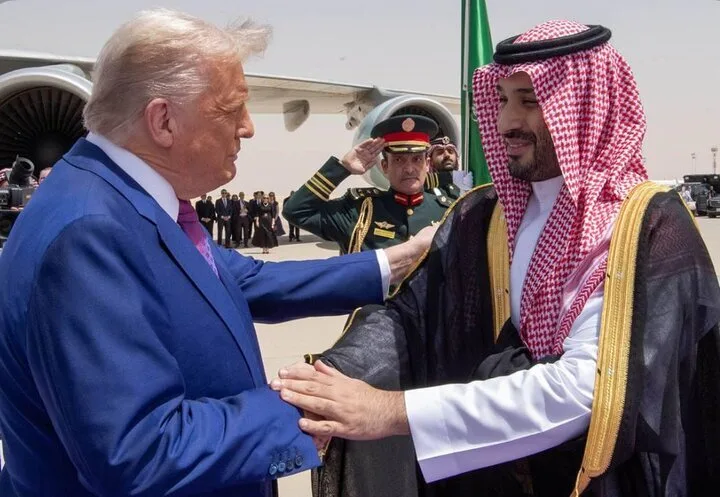
A group of Democratic lawmakers in the United States has warned in a letter to Marco Rubio, the U.S. Secretary of State, that this agreement, by providing a uranium enrichment process, effectively paves the way for Saudi Arabia to develop nuclear weapons. These concerns have intensified, especially considering that the previous U.S. administration, led by Donald Trump, deviated from standard procedures in this agreement and imposed fewer restrictions.
Read more: Mohammed bin Salman Emphasized Intensifying Pressure on Iran
U.S. State Department's Response
In response to these concerns, the U.S. State Department has strongly rejected these claims, stating that Washington has not and will not support any military nuclear program by Saudi Arabia. In this context, Abdulaziz bin Salman, Saudi Arabia's Minister of Energy, has also emphasized the peaceful nature and high transparency of the country's nuclear activities. He has repeatedly stated that Saudi Arabia seeks to use nuclear energy for peaceful purposes and has no plans to develop nuclear weapons.
Details of the Agreement and Its Implications
The proposed 30-year agreement, submitted to Congress in August, is currently under a 90-day review period. Critics believe that this plan allows Saudi Arabia to carry out enrichment or reprocessing of nuclear fuel. These processes could have the potential to produce materials necessary for building nuclear weapons.
Concerns about Saudi Arabia's nuclear program have intensified, especially as the Middle East faces significant political and military tensions. Some analysts believe that if Saudi Arabia acquires nuclear weapons, it may fuel an arms race in the region and jeopardize its stability.
As Saudi Arabia seeks to strengthen its position on the global stage, this issue could have serious consequences for regional and global security. Concerns regarding Riyadh's nuclear activities, particularly as tensions with Iran continue, could lead to new challenges in international policies.
Read more: Erdogan: The Joint Defense Agreement of Mecca is Not Against Iran or Israel · Defense Pact Between Pakistan and Saudi Arabia and Its Associated Risks