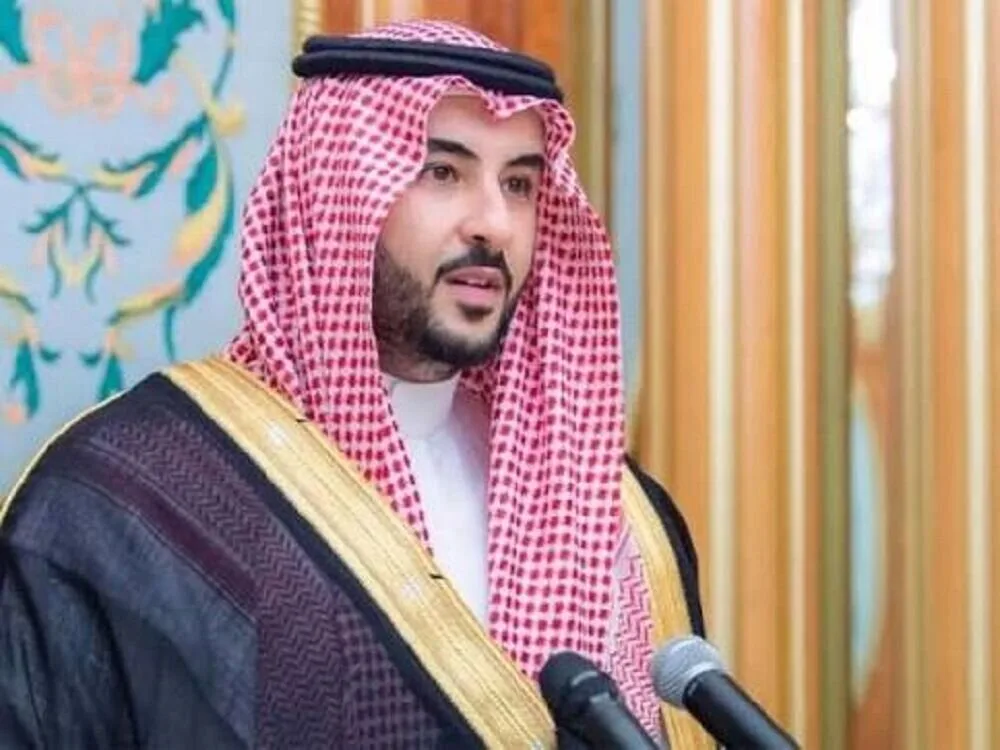
General Asim Munir, Chief of Army Staff of Pakistan, was present in Riyadh last September to sign a historic defense pact with Saudi Arabia. This pact, which seemed to be a strategic victory for Pakistan, promised billions of dollars in investments from Saudi Arabia in exchange for military training and defense of the country in case of an attack on its territory.
Unfortunate Developments in the Middle East
Analysts believe that Pakistan had based its assumptions on the idea that U.S.-Iran relations would soon return to normal and that the risk of conflict in the Middle East and the Gulf was low. However, with the onset of U.S. and Israeli bombings on Iran in February, the situation changed drastically. In response to these attacks, Iran fired missiles towards Gulf countries, including Saudi Arabia.
Read more: Trump's Agreement for Greenland Security and a Cost-Free Future for America
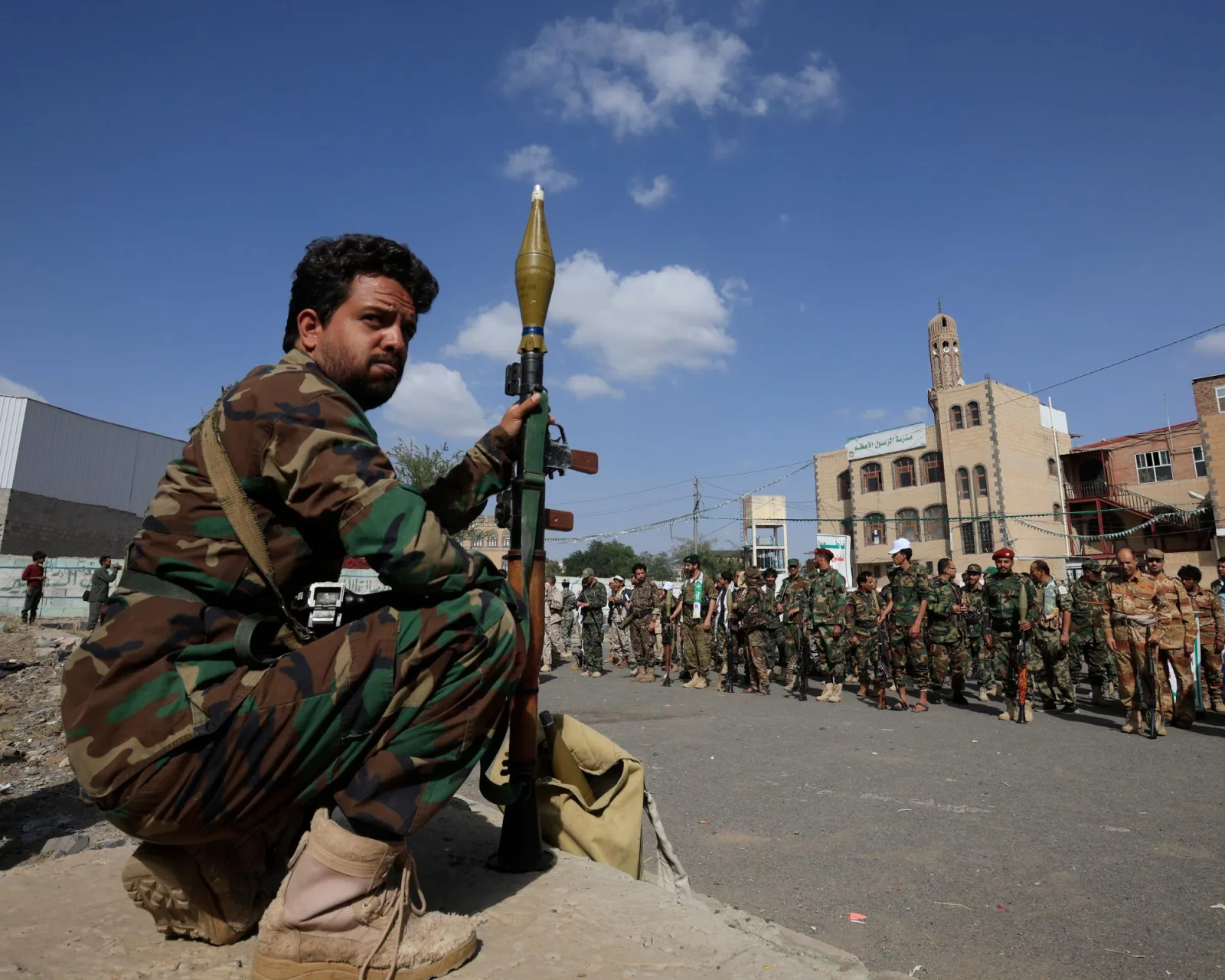
Meanwhile, the conflict between Saudi Arabia and the Houthis, the Iranian-backed rebel group in Yemen, reignited, and the fragile ceasefire that had been in place collapsed. The Houthis have achieved unprecedented gains in Yemen in recent months and have struck Saudi Arabia with air attacks and the use of drones. Saudi Arabia also responded with airstrikes on Yemen, and some believe that a full-scale war is imminent.
Pakistan's Difficult Situation
Ayesha Siddiqa, a defense analyst and senior researcher at King's College London, stated that General Munir has not accurately assessed the regional threats, and Pakistan may soon be forced to send its troops to war. Saudi Arabia possesses fighter jets and military equipment worth tens of billions of dollars, but it has no experience in fighting the Houthis. Pakistani forces, trained to counter ongoing threats from India, would be extremely valuable on the front lines.
Analysts warn that if Saudi Arabia decides to activate the Makkah Pact to fight the Houthis, Pakistan will have no choice but to send its forces. This comes at a time when Pakistan is heavily dependent on Saudi Arabia and has recently received about $8 billion in financial aid and investment from the kingdom.
Pakistani government ministers and senior military figures stated last week that they are fully committed to their defense pact with Saudi Arabia and announced that Islamabad is ready to defend Saudi Arabia at any cost. However, at the same time, Pakistani officials are privately concerned that the country may be drawn into endless Middle Eastern wars. Pakistan's economy is currently in a critical state, and the country is facing an unofficial war with the Taliban in Afghanistan and increasing instability in its border regions.
If the Makkah Pact is activated, it will be viewed as a clear stance by Islamabad against Iran. Before the onset of U.S. and Israeli attacks, Pakistan had good relations with its neighbor Iran, but as the war continues, relations between the two countries have severely deteriorated. Iran also has good relations with the Taliban in Afghanistan, which could exacerbate one of Pakistan's greatest security threats.
Ultimately, some analysts believe that entering a war would be a disaster for Pakistan. Abbas, one analyst, says: "We are currently facing two deadly insurgencies; our economy is collapsing, and inflation is skyrocketing. If we join Saudi Arabia in this conflict, the country will face chaos, instability, and sectarian division."
So far, no one has been able to precisely determine what the red line for activating this pact will be. Pakistan seems to be relying on Saudi Arabia's willingness to avoid entering a war with Iran. Turkey has also clearly stated that it does not want to get involved in this conflict.
One senior official in this regard says that he does not think the Crown Prince of Saudi Arabia wants to activate the pact at this time and added: "If the kingdom decides to send its ground forces, Pakistan will support that, but I don't think Saudi Arabia will enter a full-scale war with the Houthis without U.S. approval."
Read more: Mas'ad Boulus: Trump is Seeking an End to the War with Iran · Syria Responded to the Israeli Regime's Incursion into Its Territory