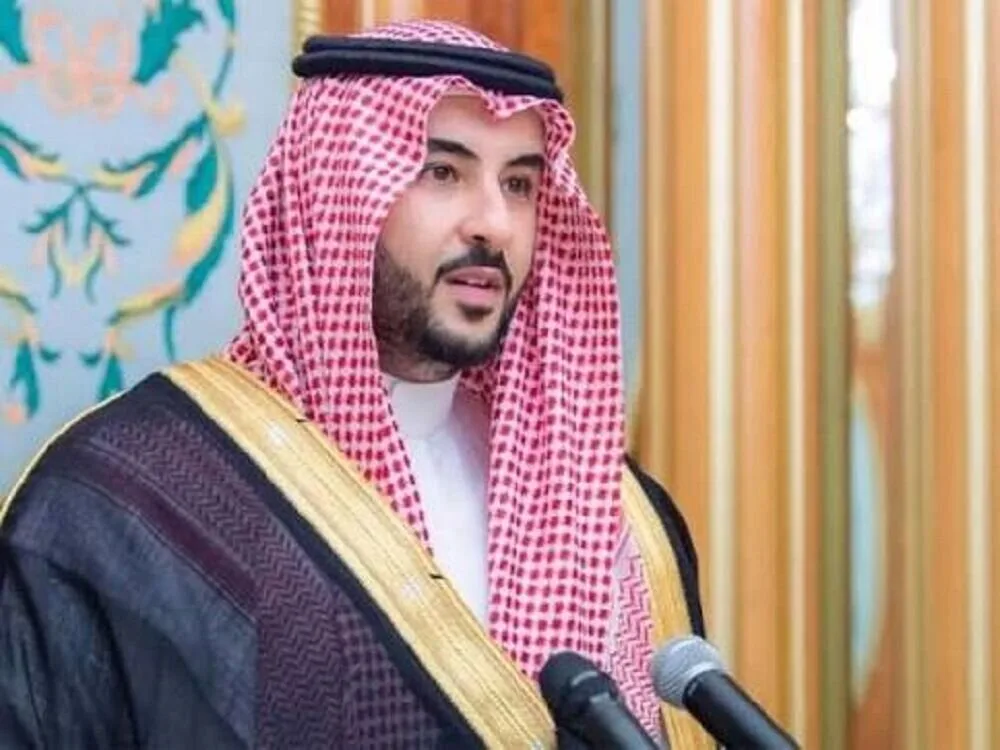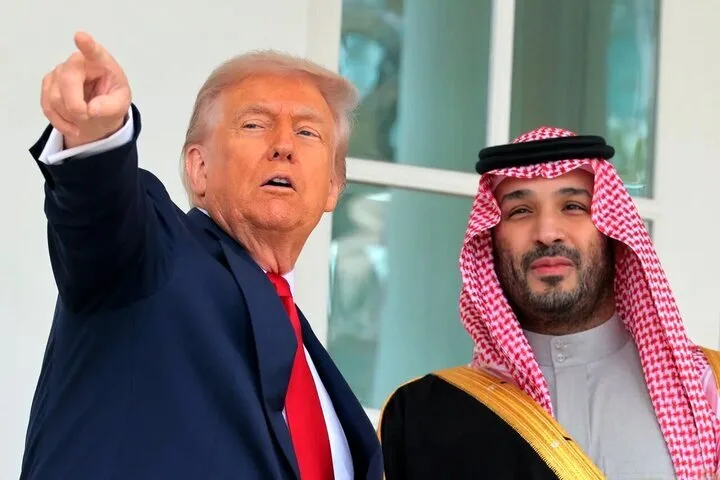
Mohammed bin Salman, the Crown Prince of Saudi Arabia, recently called for the United States not to make any concessions to Iran while emphasizing the continuation of economic pressure on the country. This stance comes at a time when negotiations to end tensions between the U.S. and Iran are being considered.
Efforts to Resume Negotiations
According to informed sources, the Gulf Arab countries, especially Saudi Arabia and the United Arab Emirates, are firmly opposed to any reduction of pressure on Iran and any concessions to that country. This is while some mediating parties, including Qatar, are working to hold a new round of negotiations in Oman. The goal of these negotiations is to encourage Washington and Tehran to reopen the Strait of Hormuz and begin the process of ending the war.
Read more: Ararat Mirzoyan and the Foreign Minister of Azerbaijan Emphasized the Importance of Peace
In the past, many Gulf countries believed that the United States should not escalate military conflict with Iran. However, Saudi Arabia and the UAE are seeking to maintain economic pressure on Iran and are urging the Trump administration to continue its maritime blockade.
Positions of Gulf Countries
Mohammed bin Salman has told American officials that the United States should continue its blockade until Iran is compelled to sign a new agreement. Additionally, he and other Arab officials believe that Gulf countries should not accept Iran's permanent control over the Strait of Hormuz.
In contrast, Oman and Qatar, which are quietly seeking to resolve this crisis, believe that the region has suffered greatly so far and that solutions should be provided for the phased reopening of the Strait of Hormuz and stopping attacks on Gulf countries. This perspective reflects two different approaches among Gulf countries that are seeking to achieve their interests.
Ultimately, recent developments indicate the complexities present in regional and global policies. Given the positions of Arab countries and efforts to resume negotiations, it seems that the future of Iran-U.S. relations remains shrouded in ambiguity, and any decision-making by the United States could have profound impacts on the current situation.
Read more: Netanyahu and His Wife Left New York After Controversial Speech · Iran's Representative at the UN: The Presence of the Zionist Regime is a Shame for the Organization