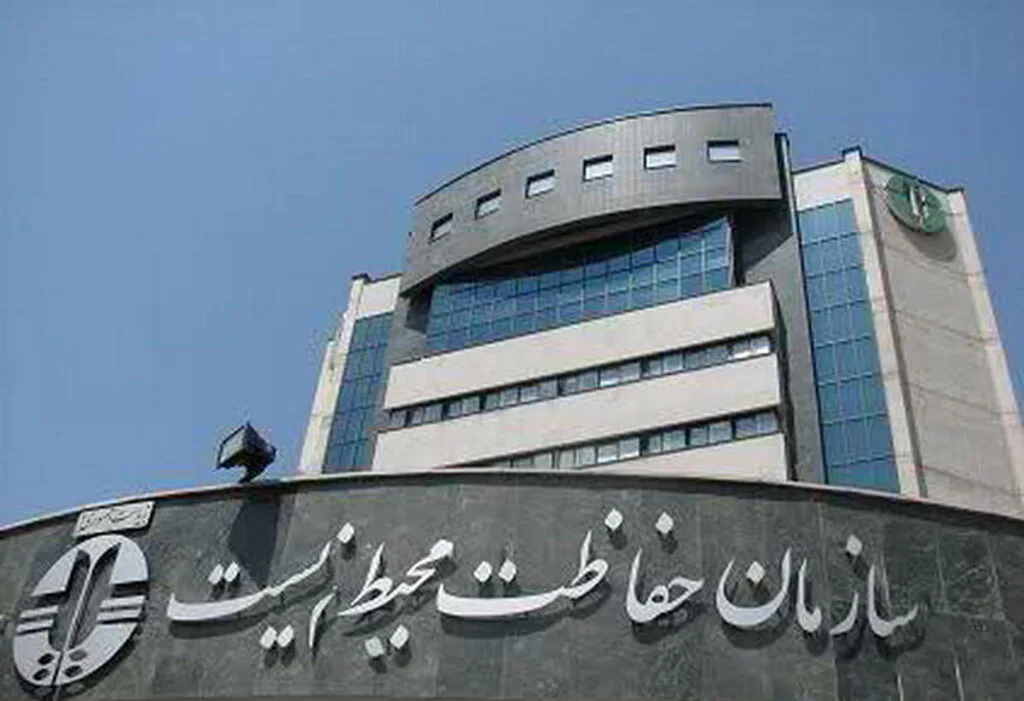
Saeed Mahmoudi, the Deputy for Human Environment of the Department of Environment, in discussions about the unpleasant odor felt on the way to Imam Khomeini Airport, pointed out several main factors involved in this matter.
Livestock Farms and Environmental Pollution
Mahmoudi emphasized that there are several interconnected issues in this area, and the role of none can be overlooked. He said: "Some livestock farms have been established without adequate assessment and consideration of the area's conditions, and some may have even been operating in this area before the airport was built. These farms can contribute to the spread of the unpleasant odor."
Read more: Kazem Jam: 100% rainfall in Mashhad and the critical situation of dams
He also referred to the existence of a river entering this area from Tehran and the treatment plant located there, adding that these factors can also contribute to pollution and the unpleasant odor.
The Role of the Aradkouh Waste Disposal Site
Mahmoudi identified another important factor as the presence of the Aradkouh waste disposal site, stating: "In my opinion, perhaps more than anything, the issue of the Aradkouh site and the waste disposal location in this area is significant." He explained that this site is one of the largest waste disposal sites in the Middle East and is relatively close to the airport. Thus, considering the wind direction, this site can have a significant impact on the spread of the unpleasant odor in the area.
The Deputy for Human Environment of the Department of Environment also mentioned the municipality's efforts to control the conditions at Aradkouh, saying: "Our colleagues in the municipality have made significant efforts to improve the conditions in this area, but certainly, waste management affects the surrounding environment, and more actions need to be taken for its management."
Mahmoudi pointed out the necessity of creating a long-term waste management program, saying: "The conditions for waste disposal need to be improved, and recycling, reducing waste at the source, and more systematic waste management should be pursued more vigorously."
Population Growth and the Need for New Infrastructure
He also referred to the population growth in Tehran and surrounding cities, emphasizing the need to establish a new mechanized site for waste management in the capital. He said: "The population that today resides in Tehran and its surrounding cities should not be compared to the past conditions. Aradkouh was designed at a time when Tehran's population did not even reach 5 million, but today the population of Tehran and its satellite cities exceeds 15 million."
Mahmoudi noted the situation of industrial waste in Tehran province, stating that another problem in previous years has been the lack of a suitable site for receiving and managing industrial waste. He added: "Given the high volume of industrial activities in Tehran, the necessity for appropriate infrastructure for managing industrial waste is very serious."
In conclusion, the Deputy for Human Environment of the Department of Environment emphasized that the waste management of Tehran requires a long-term perspective and infrastructure commensurate with the population and the development of new technologies. He said: "Both scientific and sustainable solutions should be considered for regular waste and industrial waste."
Read more: Good rains are on the way and autumn will arrive soon · The commander of the environmental protection unit in Khuzestan reported the destruction of illegal sanctuaries in Hawr al-Azim