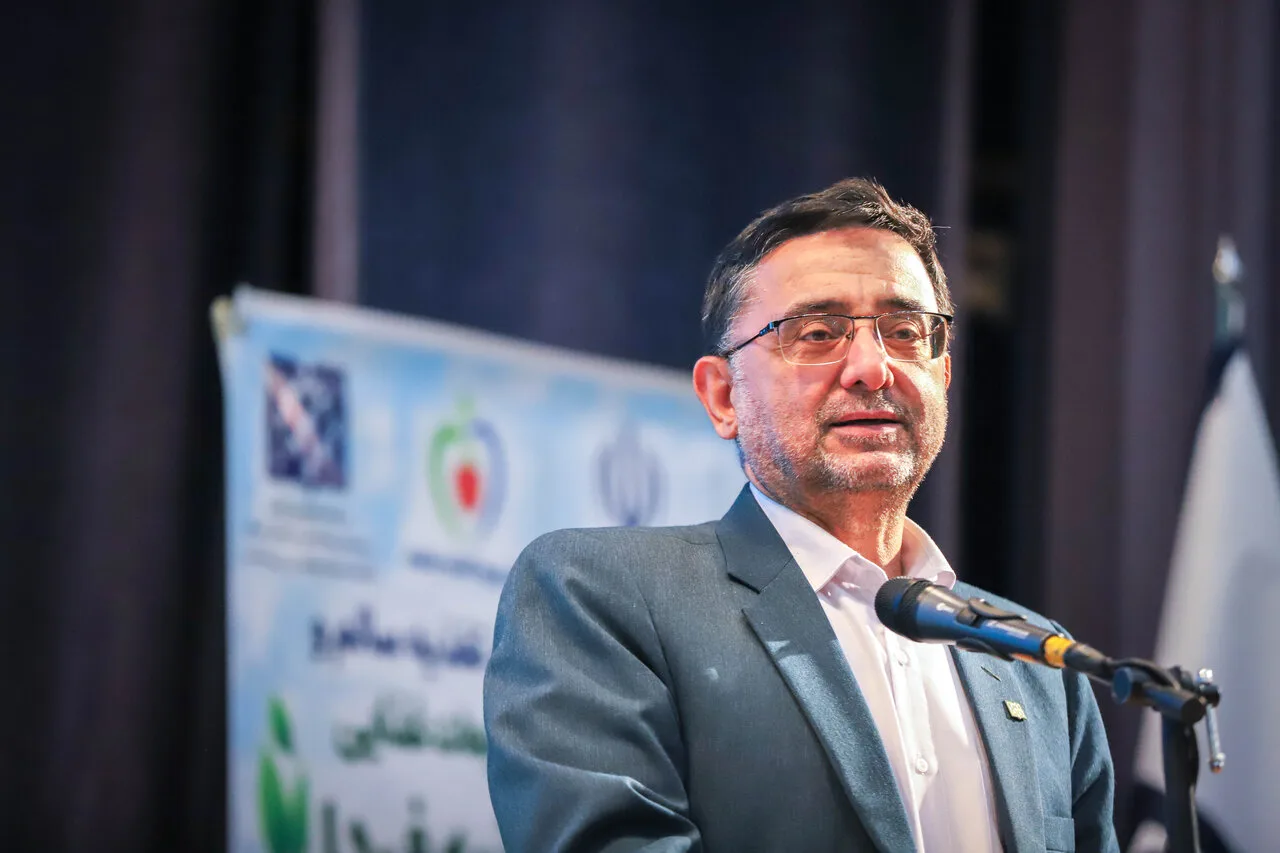
Reza Raeis-Kermani, President of Tehran University of Medical Sciences, addressed the impacts of rising food prices on people's dietary patterns at the World Food Day and Healthy Nutrition celebration. He stated that these changes require serious attention and reform of policies related to nutrition and public health.
Changes in Consumption Patterns and the Need for Subsidies
Raeis-Kermani pointed out that given the country's economic conditions, the consumption of essential food items must align with people's economic capabilities. He emphasized that medical universities and nutrition specialists should urge the government to direct subsidies towards meeting the basic needs of the population. The rise in dairy and other food prices has made it difficult for many people to purchase these products, consequently jeopardizing their health.
Read more: Increase in Influenza and COVID-19 Cases in Iran and Warning to Provinces
Food Waste and Consumption Culture
Alireza Oliaei-Manesh, Deputy of Health at Tehran University of Medical Sciences, also referred to global statistics on food waste at the conference, stating: "Approximately one billion tons of food is wasted by households annually." He stressed the need to reform food consumption culture, noting that waste is not only about discarding food but also includes poor eating habits and inappropriate food consumption.
Oliaei-Manesh criticized the behavior of some individuals at parties and events, stating that currently, some people fill their plates with various foods but only consume a small portion, discarding the rest. These behaviors indicate a need to reform food consumption culture.
Changes in Food Consumption
The Deputy of Health at Tehran University of Medical Sciences also mentioned changes in people's eating behaviors due to the current economic situation, saying: "Two years ago, many households had milk in their refrigerators, but today that may no longer be the case." He stated that national nutritional surveys need to be updated to provide an accurate picture of the community's nutritional status.
Oliaei-Manesh identified improving the community's nutritional literacy as one of the most important interventions in the health sector and emphasized the necessity of strengthening the health network and increasing vulnerable groups' access to nutritional services. He also noted the shortage of specialized human resources in health centers, adding: "The number of nutrition experts is not commensurate with the needs of health centers, and this issue can affect people's access to nutritional counseling and education services."
Nutritional Support and Challenges
Oliaei-Manesh also discussed nutritional support for target groups, stating that the budget for the food basket distributed in 1405 has increased, yet the number of individuals covered remains limited, and the real needs of the community are not being met. He emphasized the necessity of charitable participation in meeting the nutritional needs of vulnerable groups.
In conclusion, these two officials stressed the need for policy reforms and the creation of programs beneficial to public health, expressing hope that the outcomes of the conferences would lead to improvements in the community's nutrition and health status.
Read more: Visit of the Iranian Consul General to the Red Crescent Hospital in Karbala · Tehran Municipality Helps People's Livelihoods with Zero Inflation Plan