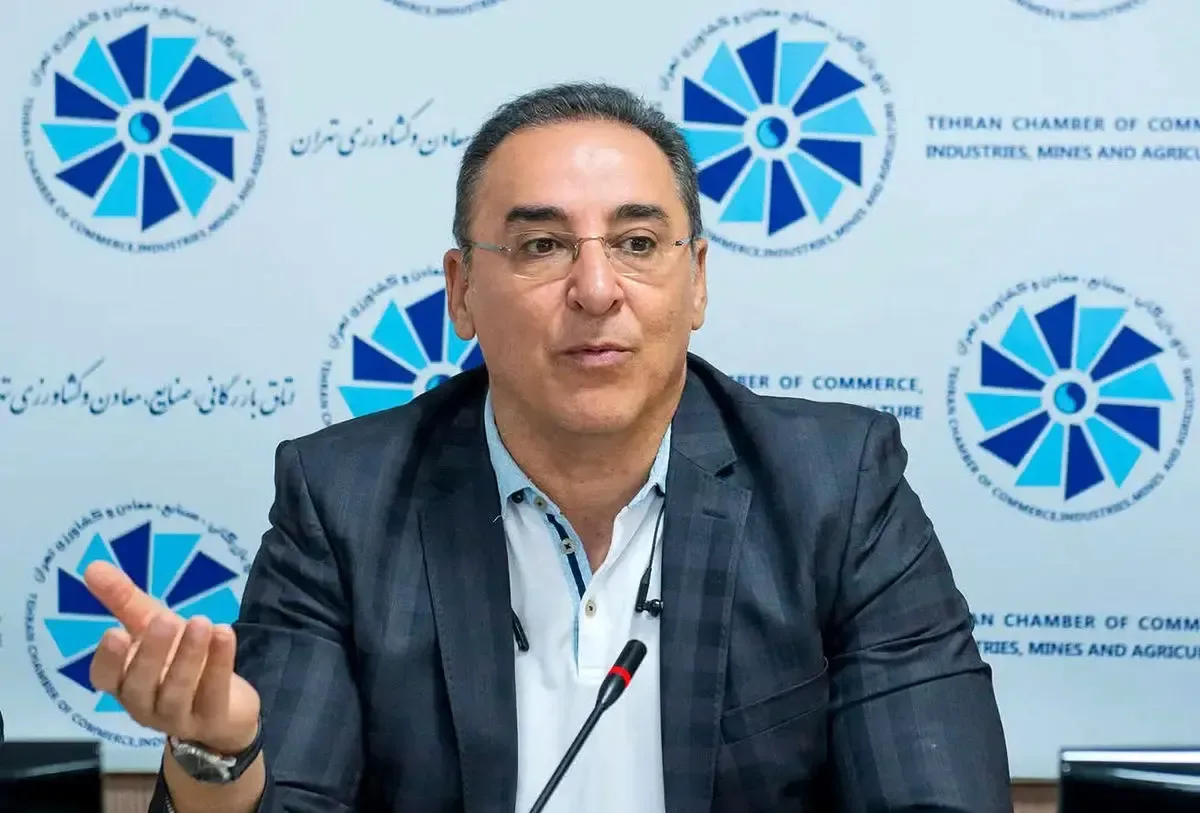
Peyman Sanandaji, head of the Transportation Commission of the Tehran Chamber of Commerce, regarding the status of the country's rail transit after the recent U.S. sanctions against Iran's railways said: Despite external limitations, the capacity for transport and the quality of rail services in the country have been maintained. He also stated that there is no danger that could halt the country's rail activities.
Sanctions and Upcoming Challenges
Sanandaji added: There are issues related to the Islamic Republic of Iran Railways, but it cannot be said that these problems seriously disrupt rail activities. The railway is not just an operational economic entity, but part of the country's public infrastructure that plays a role in passenger transport, cargo handling, and employment in the rail transport chain.
Read more: Increase in gasoline prices in the UAE has caused long queues
He pointed out the effects of the new sanctions, stating: The limitations related to the railways can impact economic actors and transport companies. However, placing an entity on the sanctions list does not mean an automatic halt to all rail activities. He emphasized: "Rail is a network" and it cannot be said that rail activities will stop due to sanctions.
Outlook for Rail Transit
Sanandaji further stated that international payments and settlements, contractual collaborations, and the provision of rail equipment could be affected by sanctions, but train movements will not be halted. He referred to the history of sanctions and noted that the country's rail industry is not unfamiliar with these challenges, and the experience of these years has shown that a combination of domestic capabilities and managerial adaptability can help sustain rail activities.
Regarding the geopolitical capacity of Iran's rail network, he said: This network has a special position, and Iran's capacity for cooperation is not limited to domestic routes. Iran connects to Turkmenistan and Central Asia through Sarakhs and Incheh Borun, and to Turkey via Razi. Additionally, Iran's routes to Pakistan and Afghanistan are also of special importance.
Sanandaji pointed out the main destinations for the country's rail transit, noting that the majority of Iran's rail transit is with China, followed by Russia and Afghanistan. He also mentioned the capacity of transit trains from China, stating: Each train set that moves from China to Iran carries approximately 54 forty-foot containers.
Finally, Sanandaji emphasized that "rail is made for movement" and it is a shared responsibility of all to create conditions for this movement to continue safely and sustainably.
Read more: Increase in car prices; Peugeot 207 automatic sets a record · New refueling regulations at gas stations; from identity verification to a 1000 Toman fee